
This border city at Turkey’s eastern edge is famous, without a doubt, for its aged kaşar cheese and its cold. Thanks to the recent popularity of the Eastern Express train, Kars is finally starting to get the attention it deserves. Tourism efforts have already begun, but I think it still needs more promotion and investment. With winters that drop to minus forty and freeze you to the bone, cool highland summers, and fertile land and water, it is fair to call this beautiful city one of Turkey’s main hubs for livestock and agriculture. Add winter skiing, its rare crystal-powder snow, geese raised in icy cold, Soviet architectural examples you rarely see elsewhere in the country, and millennia of hosting countless civilizations, and you have a city of real importance. When its potential finally meets the investment it deserves, it will make everyone far happier. Let’s get to know it more closely!
When to Visit?
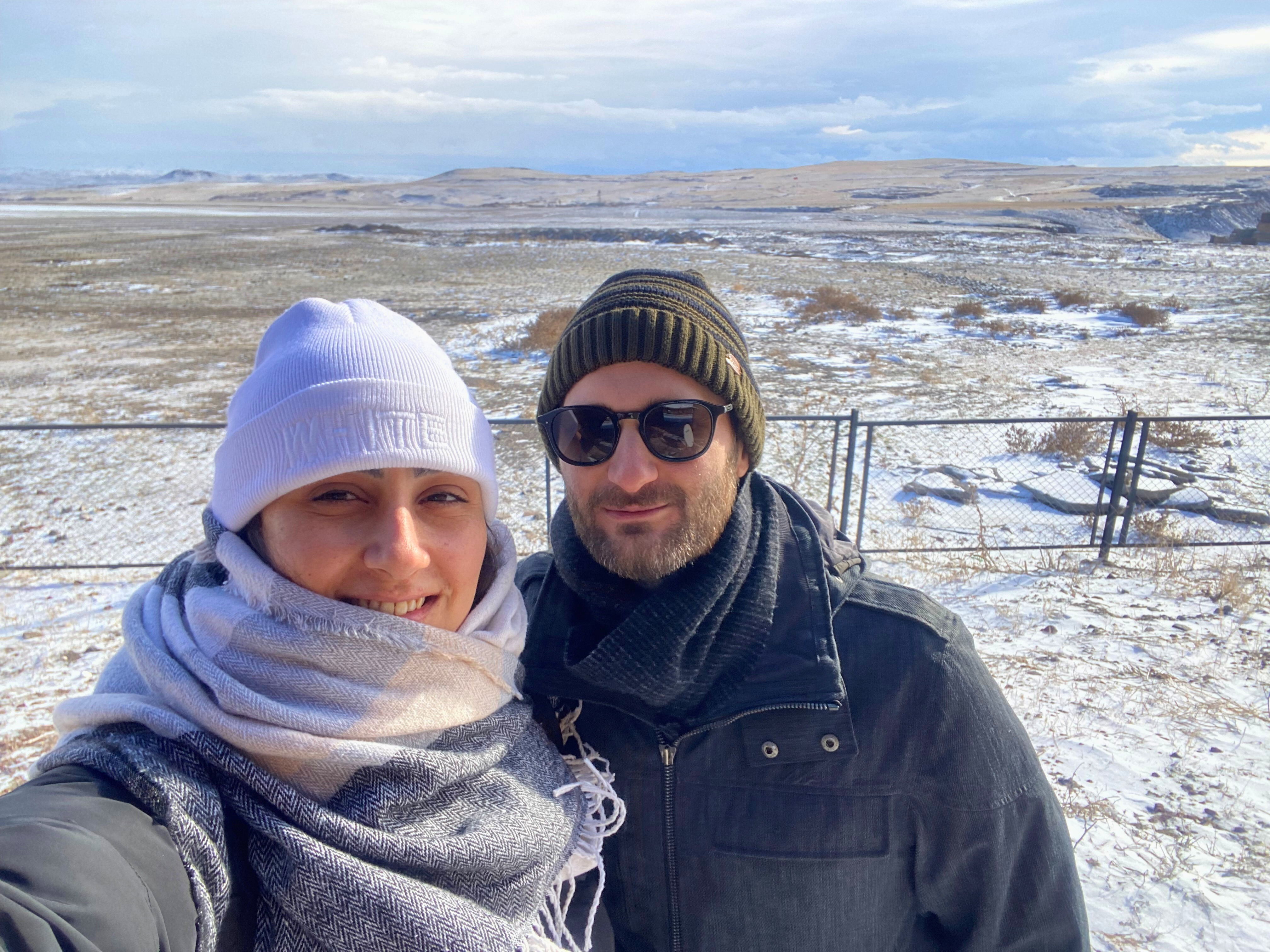
You can find tourism activity in Kars year-round. Winter and summer each have their own charm. Your preferences matter here. Choose winter for extraordinary snowy scenery and a true winter experience; if you do not get along with cold weather, prefer summer, spring, or autumn. My recommendation is winter, of course. Living in Istanbul, I cannot say we fully experience winter. Visiting this city — famous for its cold and its snow type — in a winter worthy of its reputation leaves an unforgettable taste in your memory.
How to Get There?
1. By Plane
There are direct flights to Kars Harakani Airport from Istanbul, Izmir, Ankara, Nicosia, and Antalya. The airport is quite close to the city center and has shuttle service. You can also take a taxi or rent a car.
2. By Bus
Buses run to Kars Bus Station from many cities across Turkey. From the station, the city center is about a 10–15 minute drive.
3. By Car
If you drive your own car to Kars, one thing deserves special attention. Winter conditions here are harsh, and temperatures can drop to -40°C. You need winter tires, chains in the car, and other winter precautions. It is also worth thinking about the risks that can arise.
Where to Stay?
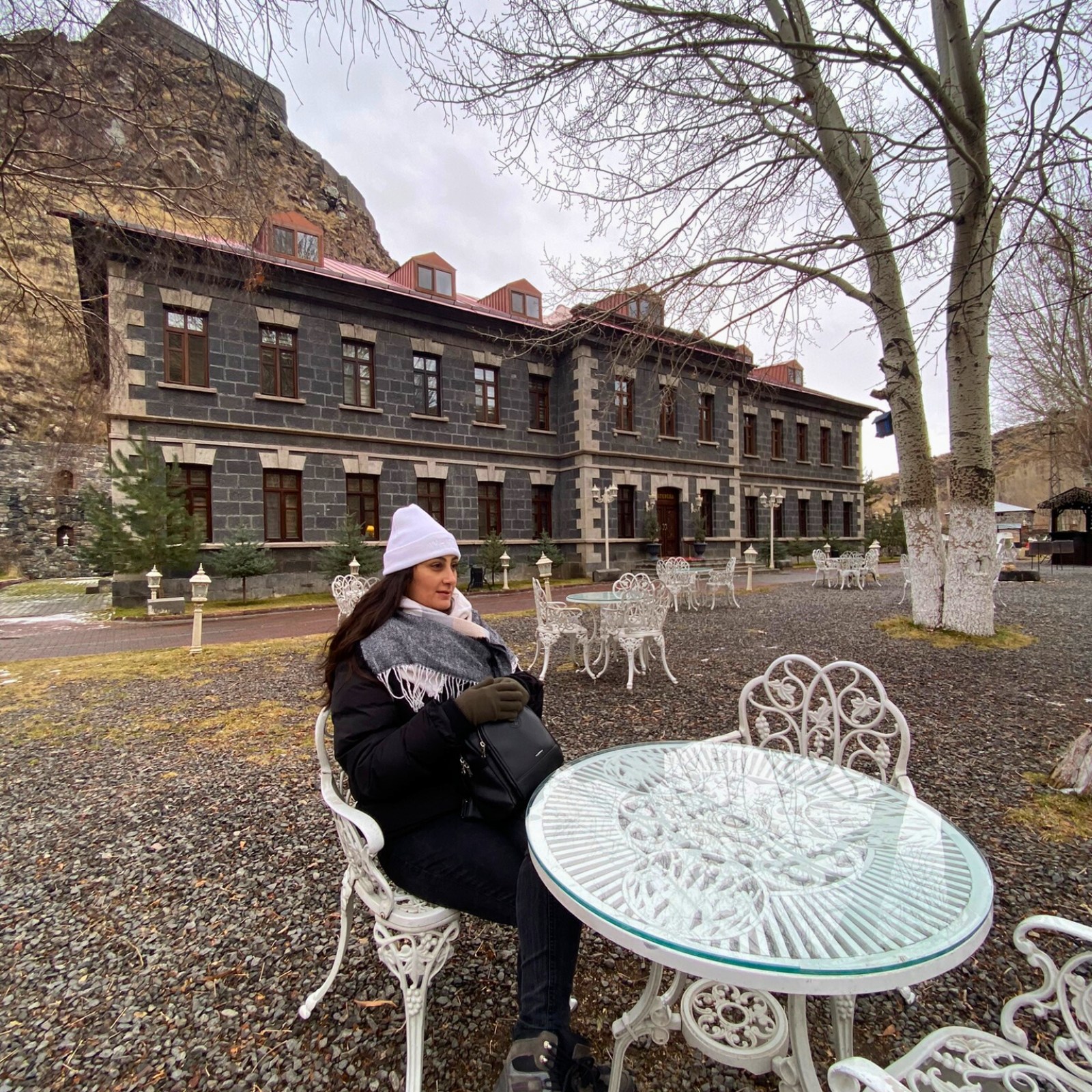
There are hotel options both in the city center and in Sarıkamış, thanks to skiing and other winter sports. In the center, Hotel Katerina Sarayı and Hotel Cheltikov — Soviet-era buildings that influencers have recently flocked to for photos — take guests on a kind of time travel and offer a unique stay.
How Many Days for Kars?
In my view, two days are enough to see Kars properly. If skiing is on your plans, add as many days as you like — that part is entirely up to you.
Do You Need a Rental Car?
If you will only explore and stay in the city center, I do not think you need one. Almost everything is within walking distance. But if you plan to visit Sarıkamış, the Ani Ruins, or Lake Çıldır, renting a car is worthwhile, because transport is not very developed.
Important Notes Before You Go
- If you are coming in winter, bring clothes that will keep you warm. Snow boots and thermal base layers will be especially useful.
- Another point for winter visitors is tires. Make sure winter tires are fitted. Streets in the center ice over and cars slide — we saw many skidding vehicles in a single day. Around Çıldır and Sarıkamış, sudden snowstorms can blow up. On our way to Çıldır we got caught in a blizzard. For a while we could not even see the road, let alone the signs — only a blank white void. After that wild experience, my strongest advice is to check the weather before you set out and take precautions.
- If you come in summer, remember that evenings will be cool.
- If you want to walk and ride sleds on Lake Çıldır, prefer January and February. When we went in December 2023, the lake had not yet frozen.
- You will definitely see beautiful examples of Baltic architecture. Although the city follows a grid plan overall, these buildings feel scattered through the streets rather than forming one continuous Baltic walk. There are many unrelated apartment blocks in between. The historic structures are preserved, but the buildings between them do blunt the visual pleasure a bit.
Places to Visit
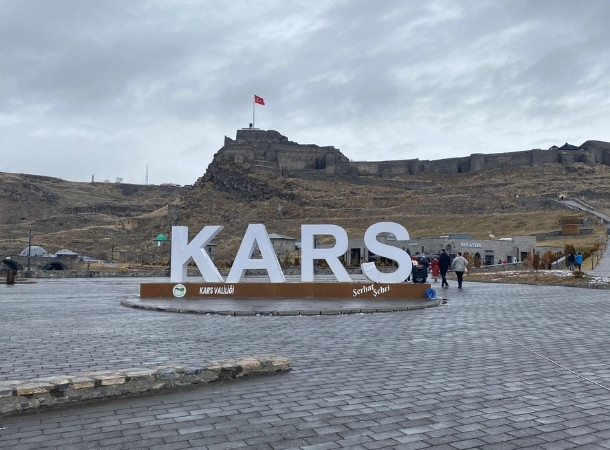
1. Kars Castle
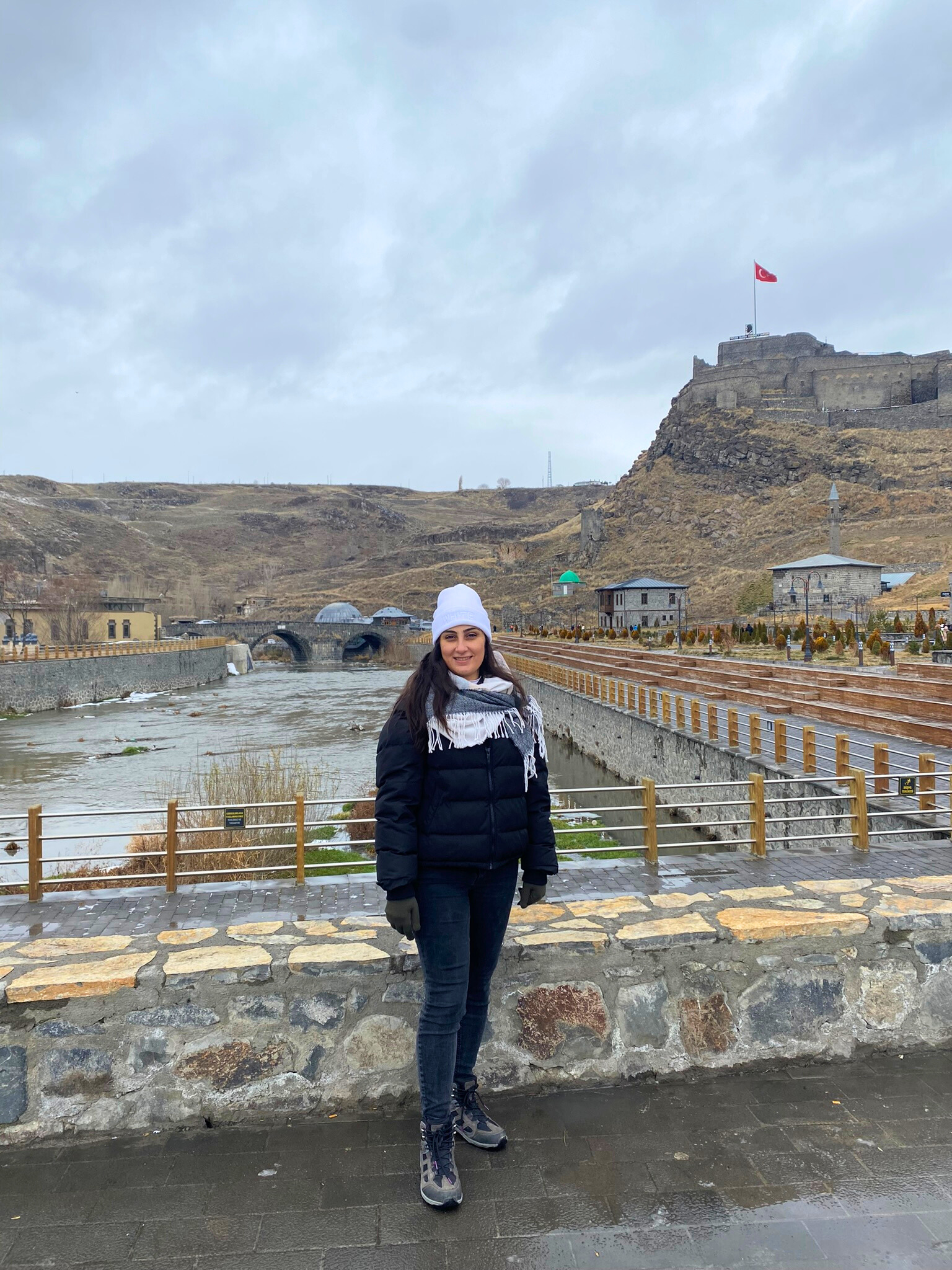
Kars Castle sits in the most central location in the city, right beside the Kars River. Built by the Saltukids in 1153 CE, it was an important defensive center especially during the Ottoman–Russian wars. Inside you will find a few structures plus cistern and arsenal remains. The castle is entirely cut stone, and entry is free.
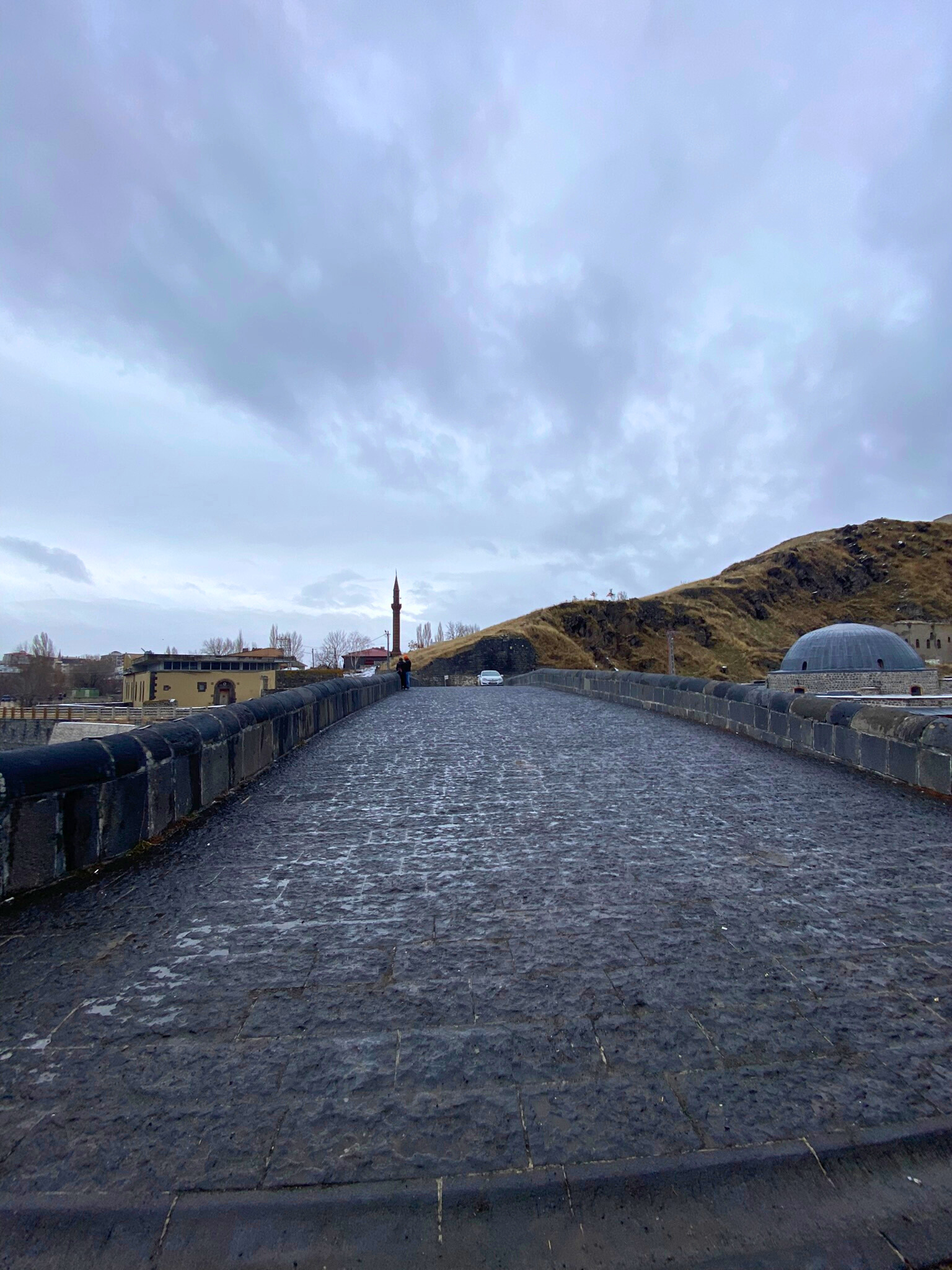
2. Kars Bridge / Stone Bridge
Lala Mustafa Pasha had the Stone Bridge built over the Kars River in 1579 to connect Evliya Mosque and Kars Castle. Made entirely of basalt, it is black in color. Architecturally it is a three-arched bridge. Photographer’s note: morning and sunset hours are ideal for photogenic shots.
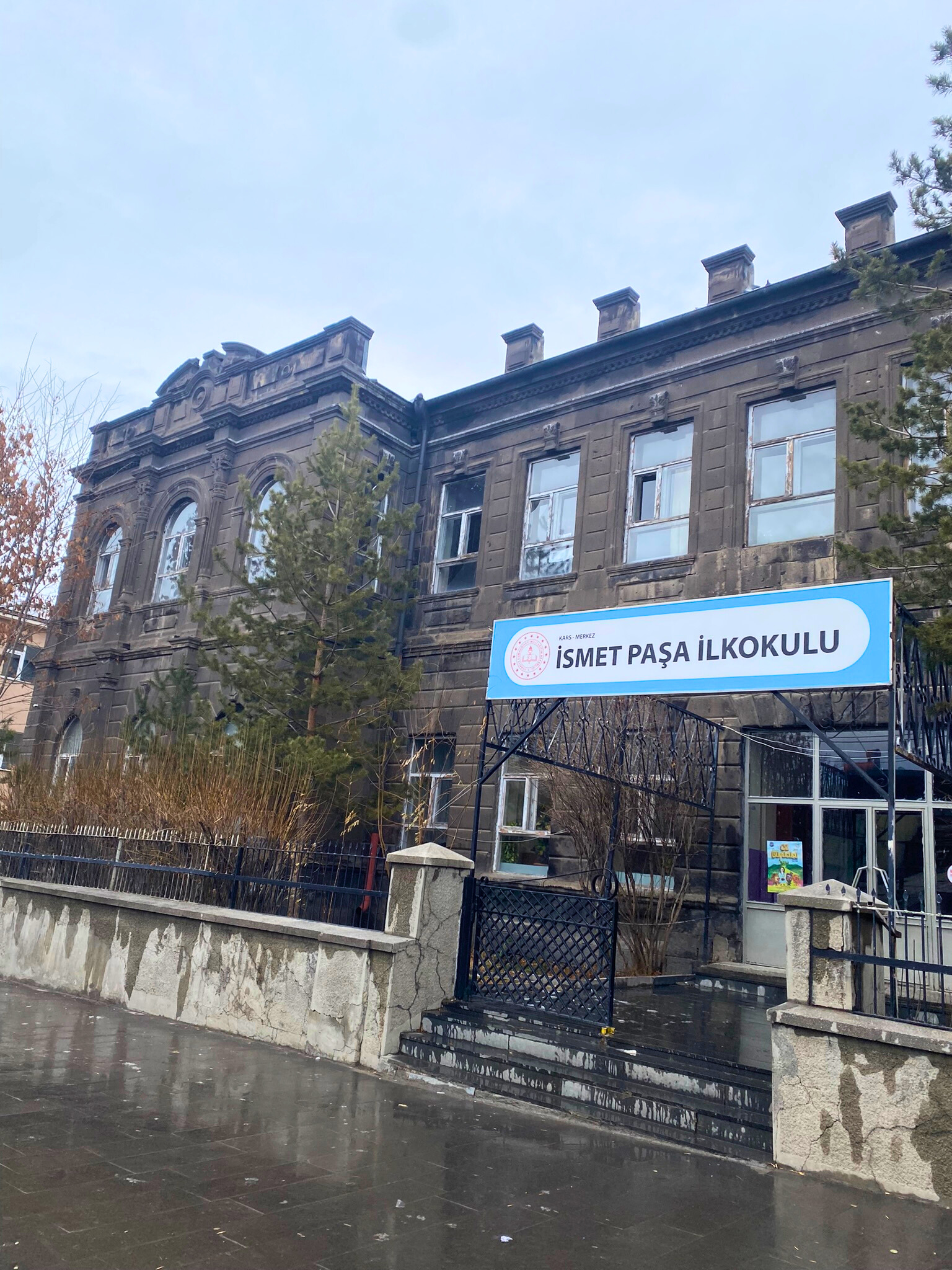
3. İsmet Paşa Primary School
Built by Armenians between 1886 and 1888 during the period of Russian rule, it has been used as a school ever since. What makes it special is its architecture — one of the most important examples of Baltic architecture in Kars. The U-shaped building has a monumental façade in a Neo-Classical style. I consider it one of Kars’s most important architectural and cultural heritage sites. Put it on your list.
4. Kars Special Provincial Administration Building
Originally built as a church in the late 19th century, this is another fine example of Baltic architecture. Constructed from polygonal cut basalt blocks, it was used as Ziraat Bank during the Republican period.
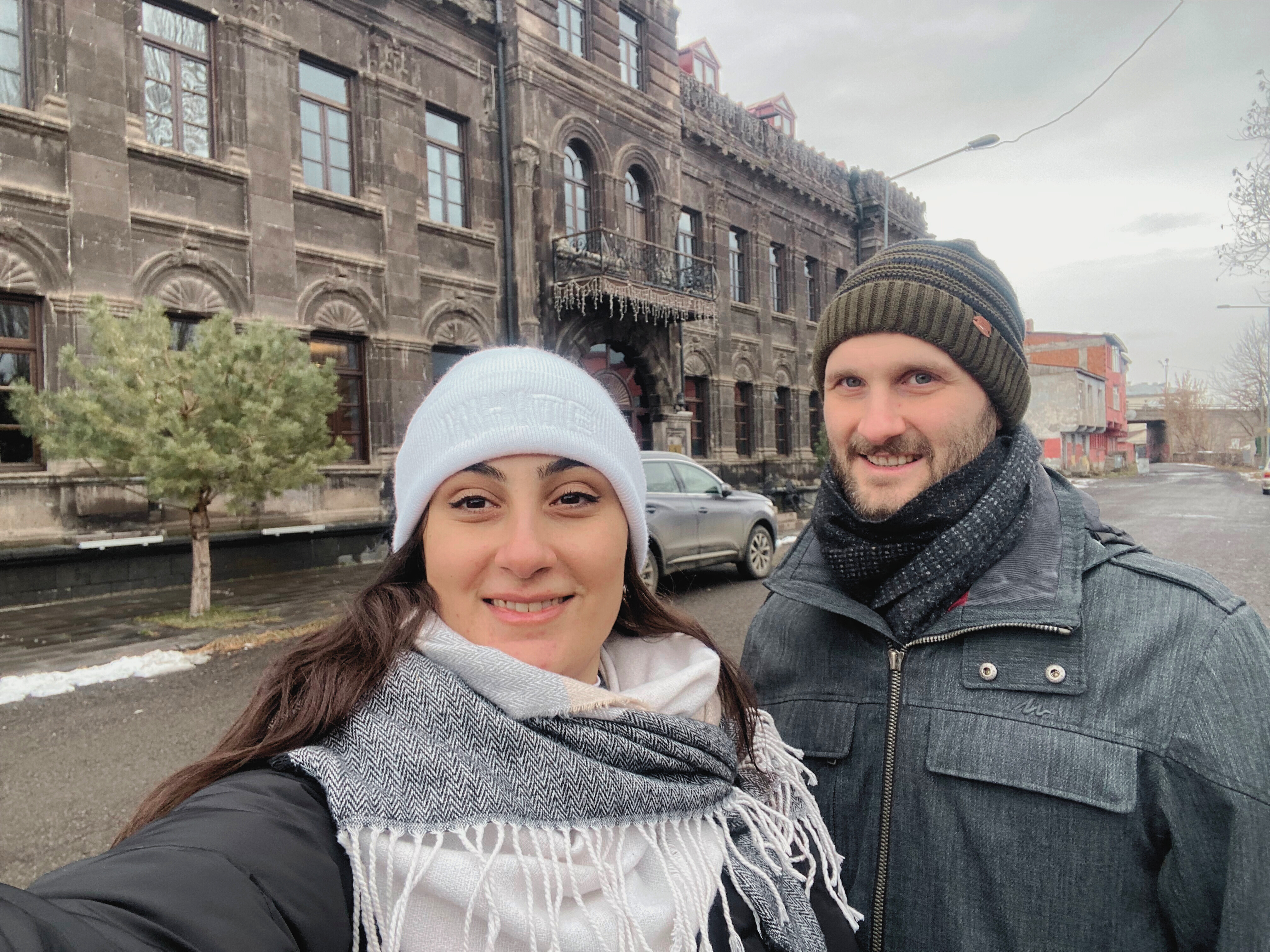
5. Hotel Cheltikov
Built in the Baltic style in the 19th century, this building was used as a mansion by the Russian Cheltikov family, who settled in Kars after the Ottoman–Russian War between 1877 and 1896. Over time it served as a school, an opera house, and a hospital. Today it has been restored as a hotel. Its façade is rich with stone carving, reliefs, and cartouches. It offers a lovely hotel experience for guests who want to feel that architectural atmosphere and sense of another era.
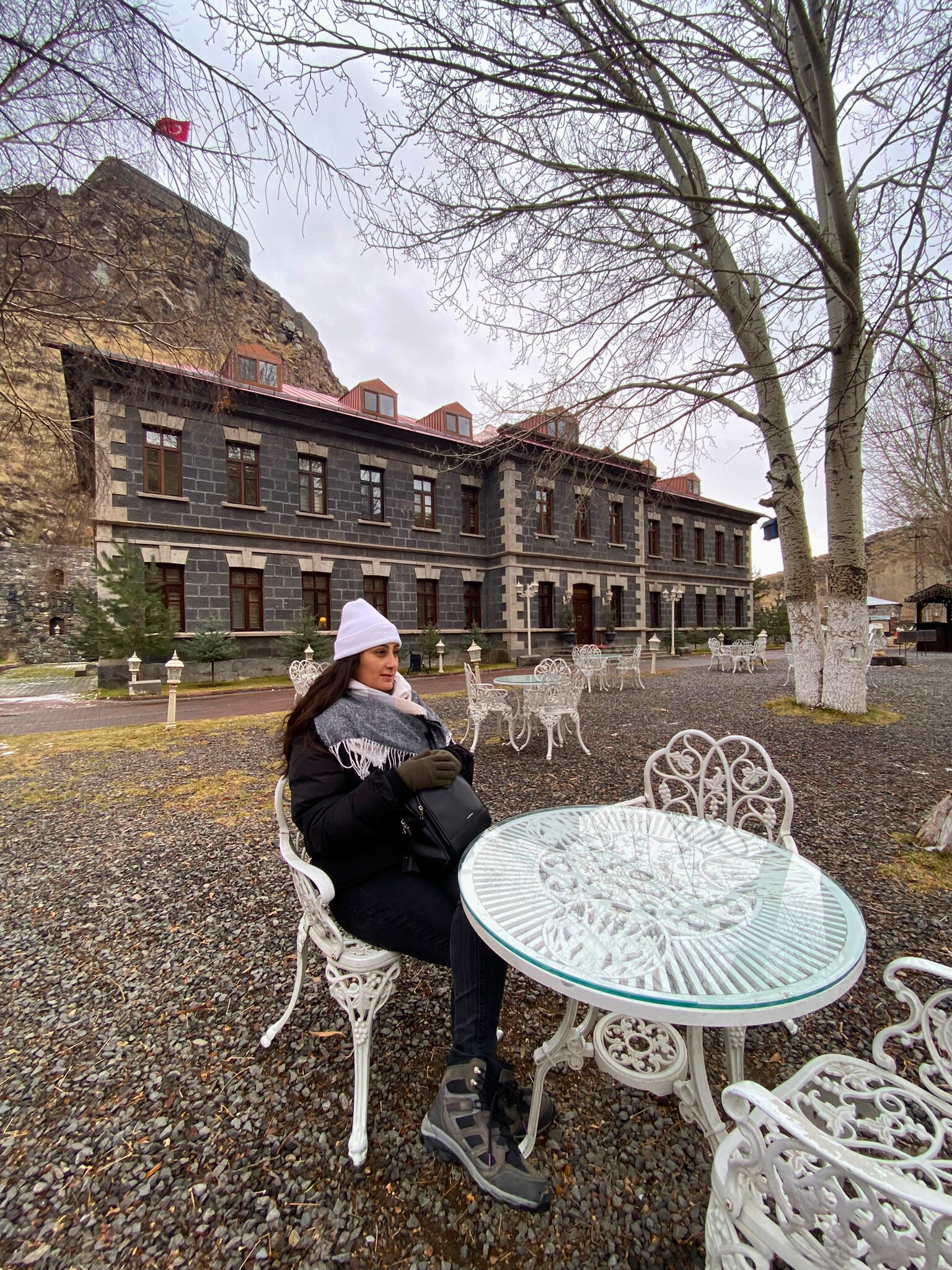
6. Hotel Katerina Sarayı
It is said that Tsar Nicholas II had this building constructed for his wife in 1879. Later it was used for military purposes or as an arsenal. Today it operates as a hotel and is again one of the finest examples of Baltic architecture in Kars. Built of cut basalt on a U-shaped plan, its interior floor-to-ceiling heights reach 4–5 meters.
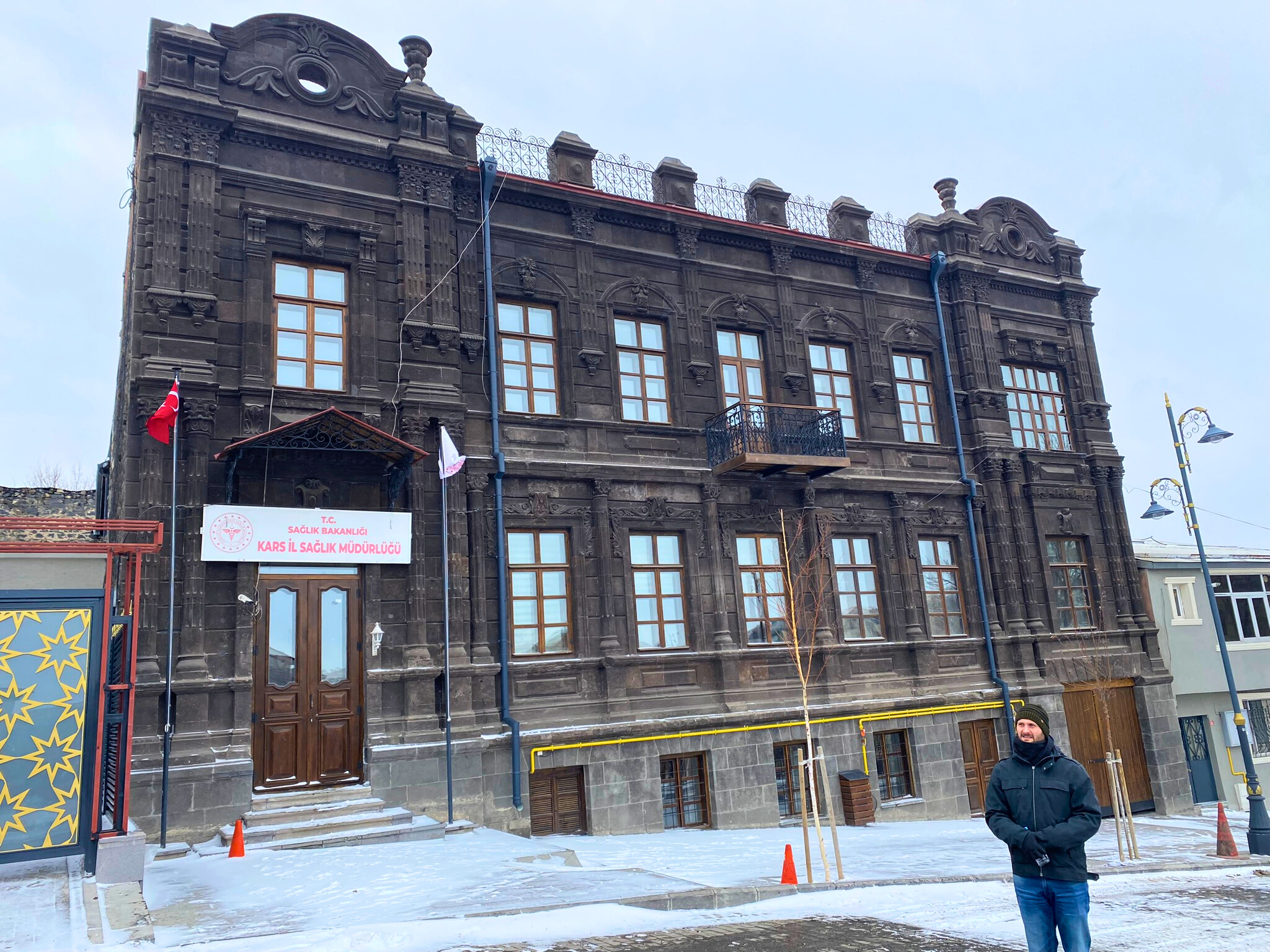
7. Kars Provincial Health Directorate
Built as a hospital in the Baltic style in 1907. The exterior features columns, ornament, rosettes, and medallions. You can see Baroque, Art Nouveau, and Baltic styles blended on the façade. This eclectic building now serves as the provincial health directorate.
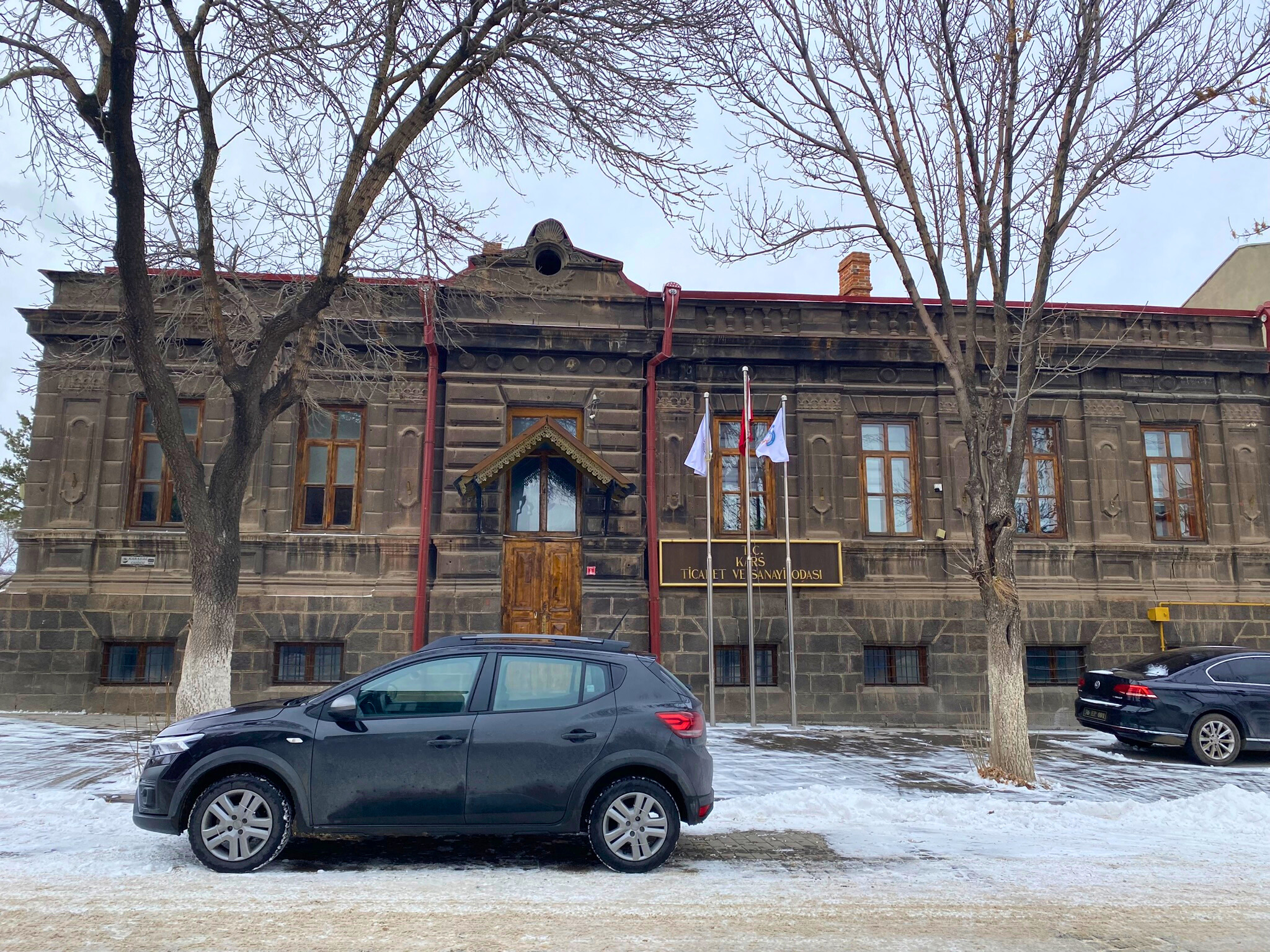
8. Kars Chamber of Commerce and Industry
Built by the Russians between 1878 and 1918 as a winter residence, it began use as the Chamber of Industry and Commerce in 1923. Baltic architecture stands out again, with Neo-Classical, Neo-Renaissance, and Neo-Baroque ornament on the exterior.
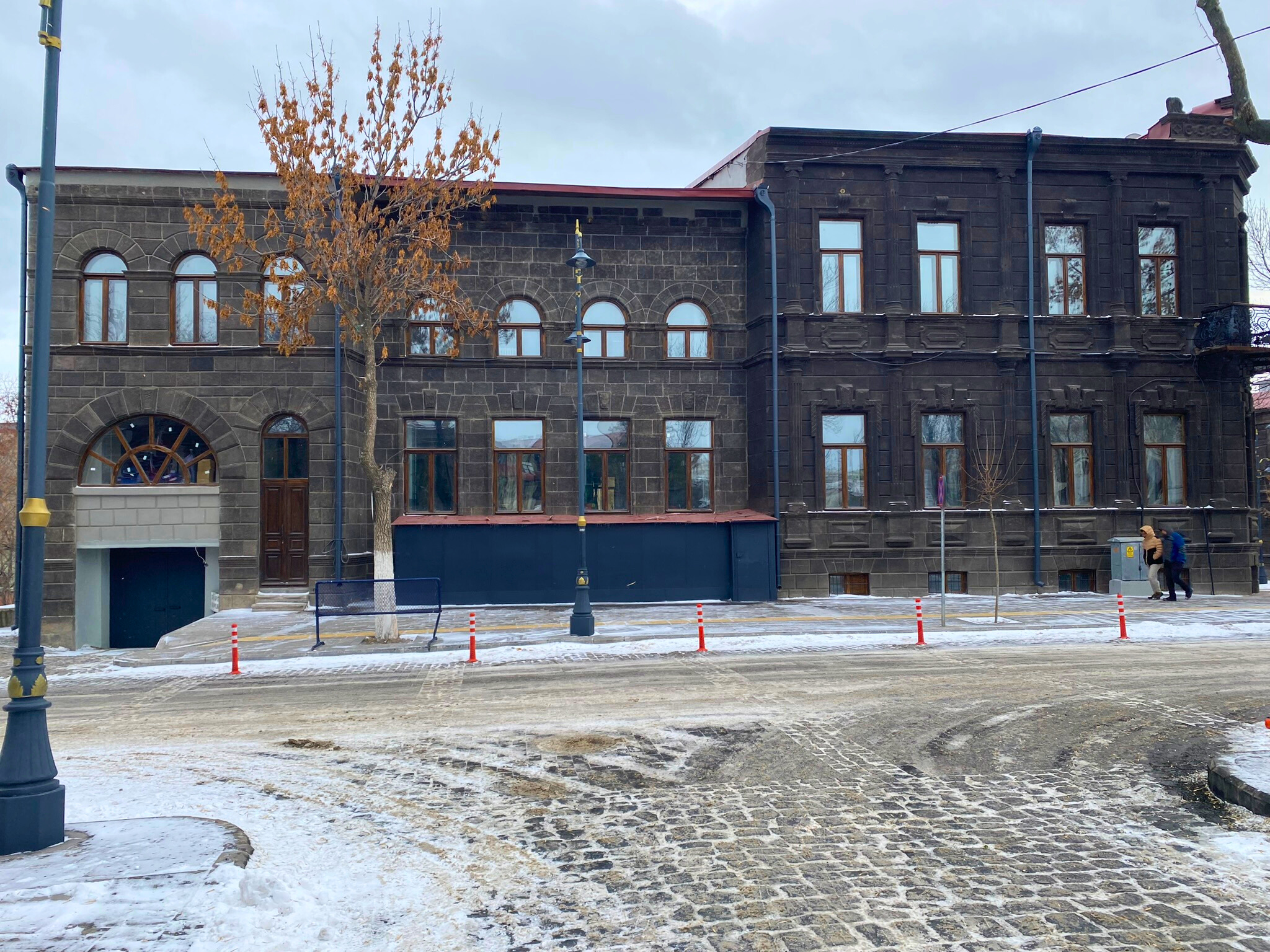
9. Former Governor’s Mansion and Treasury Building
Two more 19th-century Russian buildings. Both carry Baltic architectural traces and today operate as the Governor’s Mansion and the Treasury Building.
10. Fethiye Mosque
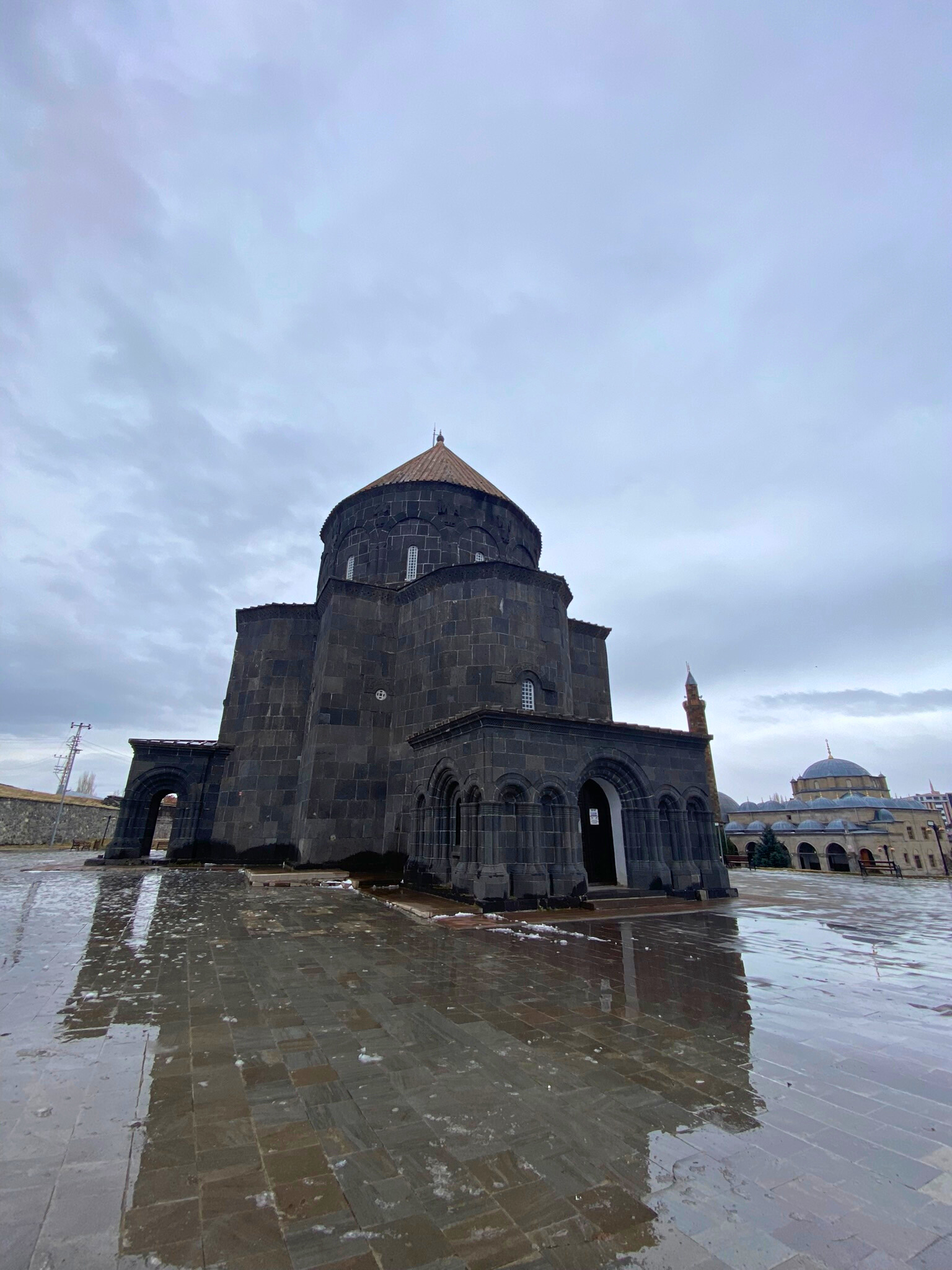
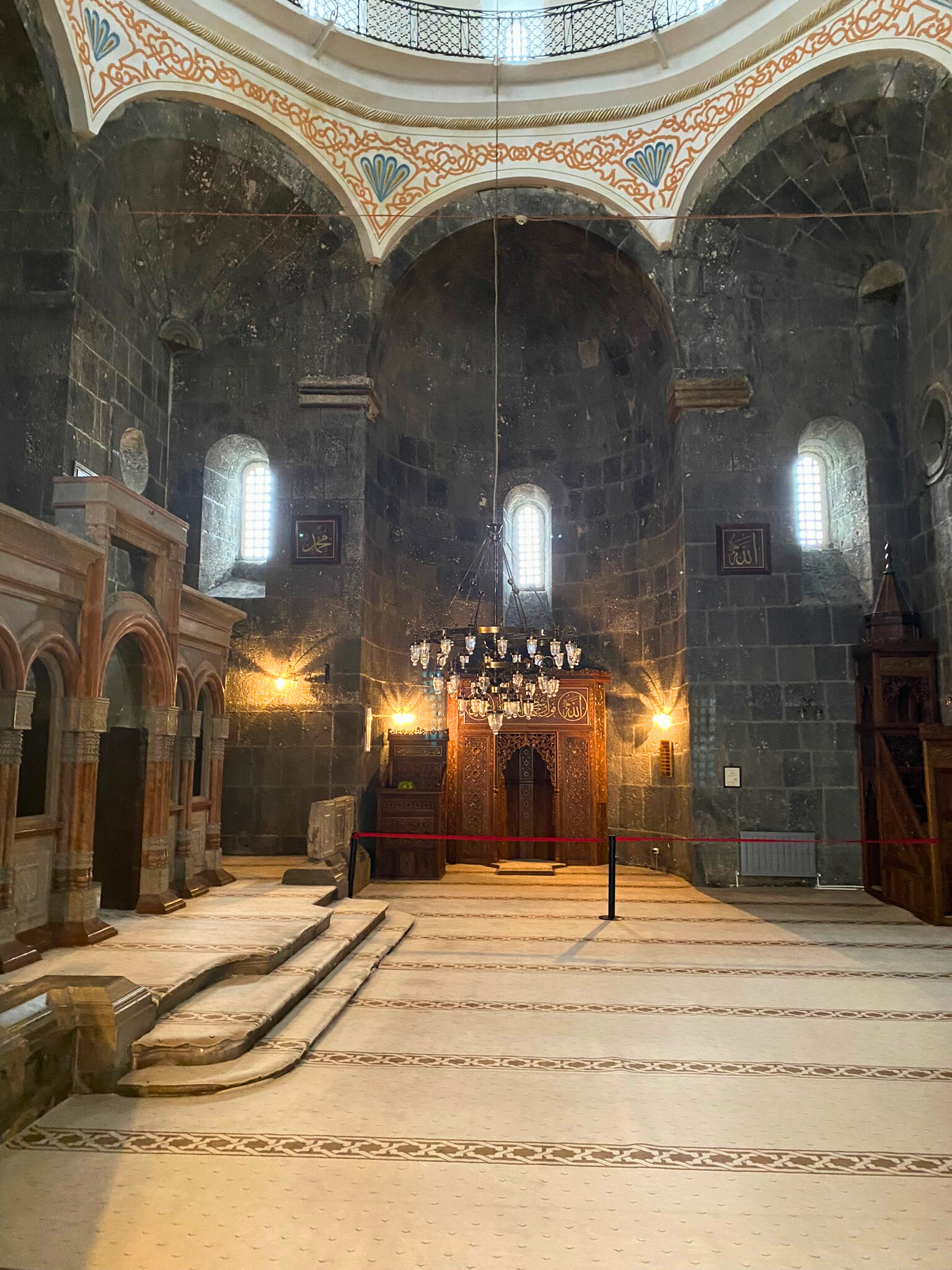
Built by the Russians in the 19th century as an Orthodox church. Minarets were added in 1985 when it was converted into a mosque. Combining Baltic and Neo-Classical elements, it has round-arched windows and a three-leaf clover motif on the façade.
11. Kümbet Mosque
Known as the Church of the Twelve Apostles, this building was constructed by Armenians in the 10th century. After the Seljuks took Kars, it was used as a mosque.
12. Ani Ruins
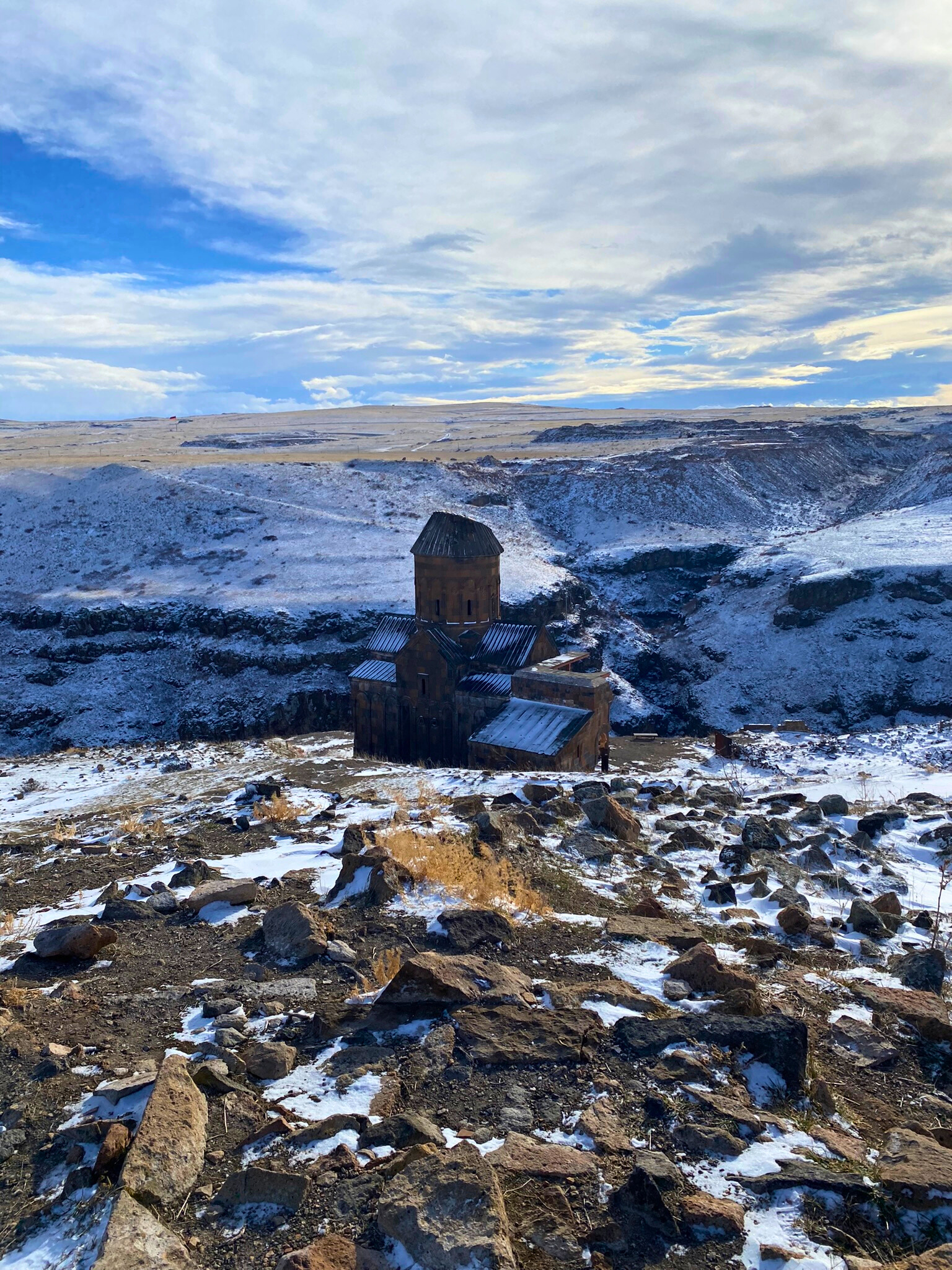
On the banks of the Arpaçay River on the Armenian border, the Ani Ruins were declared capital by the Armenian Bagratuni dynasty around the 5th century CE. Sitting on the historic Silk Road, in the 10th and 11th centuries its population exceeded 100,000 and it became one of the most important trading cities. This unique archaeological site — where you can see early Christian and Islamic architecture side by side — is a historical and cultural heritage with no other equivalent in Turkey. Added to the UNESCO World Heritage List in 2016, Ani includes important structures such as Surp Krikor Church, Menuçehr Mosque, Fethiye Mosque, Surp Prkich (Church of the Holy Redeemer), and the city walls and gates. Despite all this and its cultural contribution to the country, I do not think it gets the recognition it deserves. If it were as well known as Göbeklitepe or Ephesus, it could contribute enormously to national tourism. Physical conditions also need some improvement — walking paths, trails, restoration of structures, and wayfinding signs.
Because it is a large open site, expect dry cold in winter and heat under the sun in summer. Come prepared for the season. Entry is possible with a MüzeKart. Right after entering, you can tour designated routes in electric carts used by locals. If you prefer to walk, it can take several hours. Tours also depart from the city center.
13. Lake Çıldır
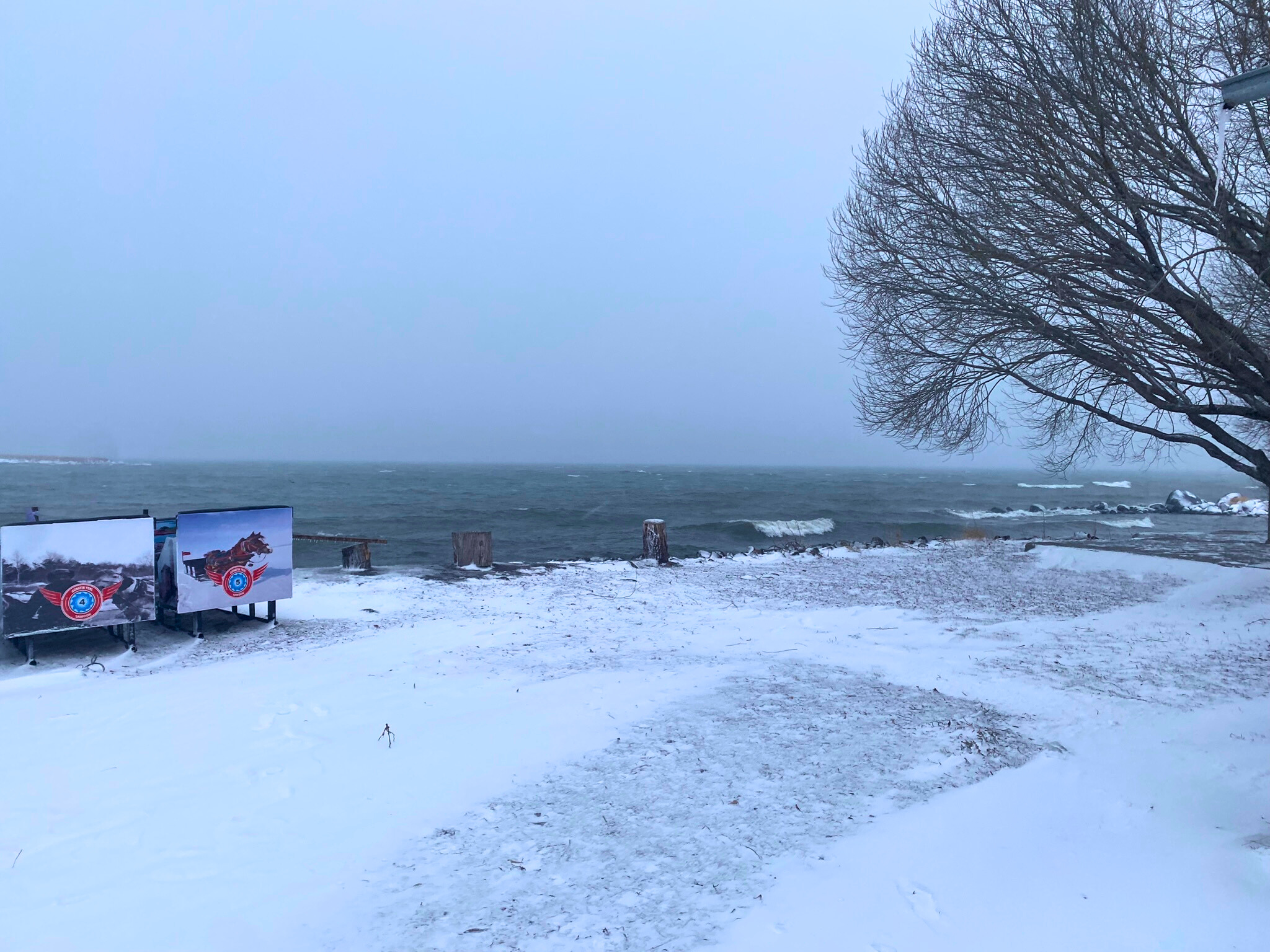
With winter temperatures dropping to around -30°C, a magnificent ice sheet forms on this 2,000-meter-elevation lake. The ice can reach three meters thick. You can walk on it and ride horse-drawn sleds. Restaurants around the lake serve fish caught in Çıldır. And if you love photography, the lake offers stunning views.
Kars Food Guide
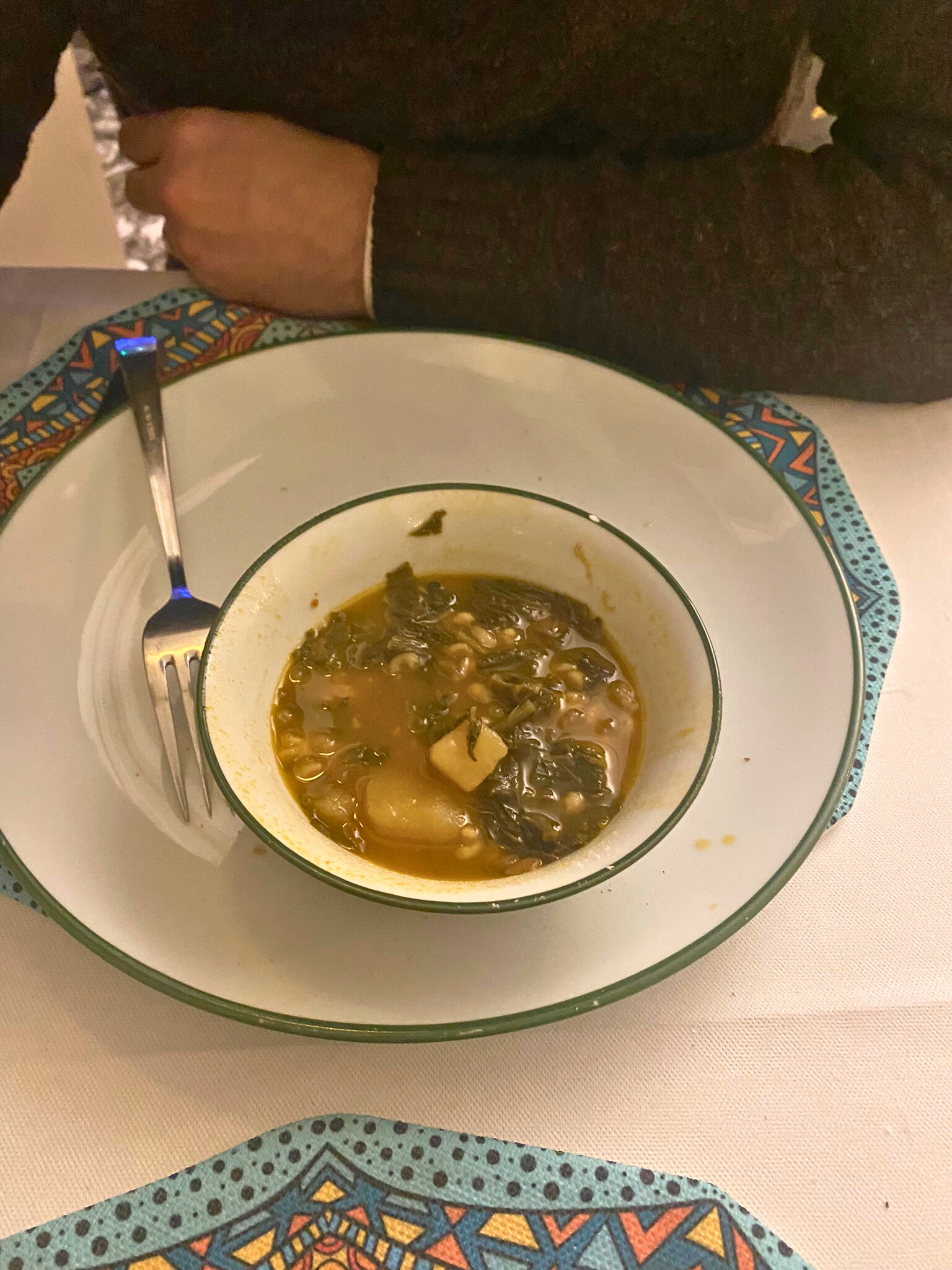
When you say Kars, one of the first dishes that comes to mind is goose. These geese are entirely regional — grazing on the highlands and fattening in icy cold makes the meat especially delicious. It is served with bulgur pilaf, pickles, and compote. Highly nutritious and very tasty. Kars honey, kaşar, and cheese are also famous and belong on your tasting list. In my view, you should not leave Kars without a traditional breakfast. 🙂 Is that all of Kars’s local flavors? Of course not. Direct cultural exchange with the Caucasus is reflected in the food too: hıngel, evelik aşı, piti, and many other delicious dishes.
Hıngel: You can think of it as empty mantı (dumplings), served with yogurt and caramelized onions.
Evelik Aşı: A soup of green lentils and meat broth cooked with evelik, a sour wild green.
Piti: A rich dish of meat broth and chickpeas, served in a glass and poured over pide bread.
1. Hanımeli Ev Yemekleri
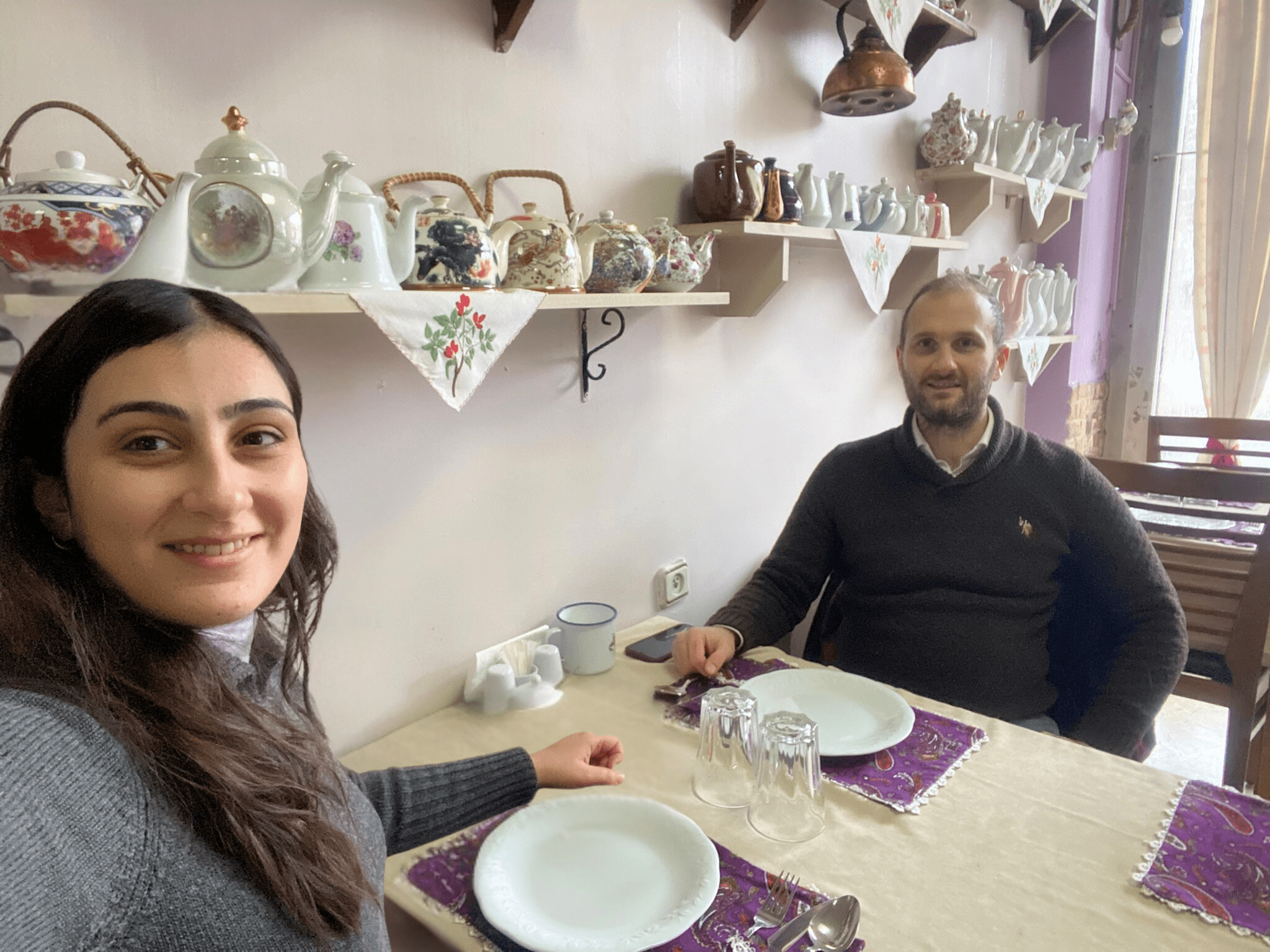
We ordered goose with bulgur pilaf, hıngel, and piti — and were happy with all of them. A casual, small, sweet place run by women.
2. Kale Kafe Restoran
Famous especially for local Caucasian dance shows and live improvised âşık (minstrel) contests. Very popular with tour groups. There are two ways to experience it. The first is without a meal: tea, popcorn, fruit, and similar snacks are brought to the table. In the second, you order the standard dinner menu. Either way you watch dances, stage shows, local singers, and — best of all — the Kars-style âşık or ozan contests at no extra charge.
At the end of the night (in winter), an accordion is played by the fire and everyone sings together as the venue closes. The program runs late. The Caucasian dances need no introduction — we watched so admiringly that the long performance fed our eyes and minds. The âşık contest turned admiration into laughter and washed away our fatigue. It is a beautifully put-together program for introducing Kars and its culture.
For those who do not know: what is an âşık contest?
It is one of the most important oral traditions of Turkish literature, common in Eastern Anatolia around Kars and Ardahan. Two or more âşıks improvise quatrains at each other in a kind of contest, usually with saz accompaniment and humorous barbs. It is a form of entertainment at weddings and gatherings.
Address: Yusufpaşa, Şht. Hulusi Aytekin Cd. No:13, 36000 Kars Merkez/Kars
3. Boğatepe Village Products
One of many shops where you can buy Kars goose, kaşar, honey, cheese, and other local products. The breakfast hall here also lets you taste many of them.
4. 1855 Gazi Restaurant
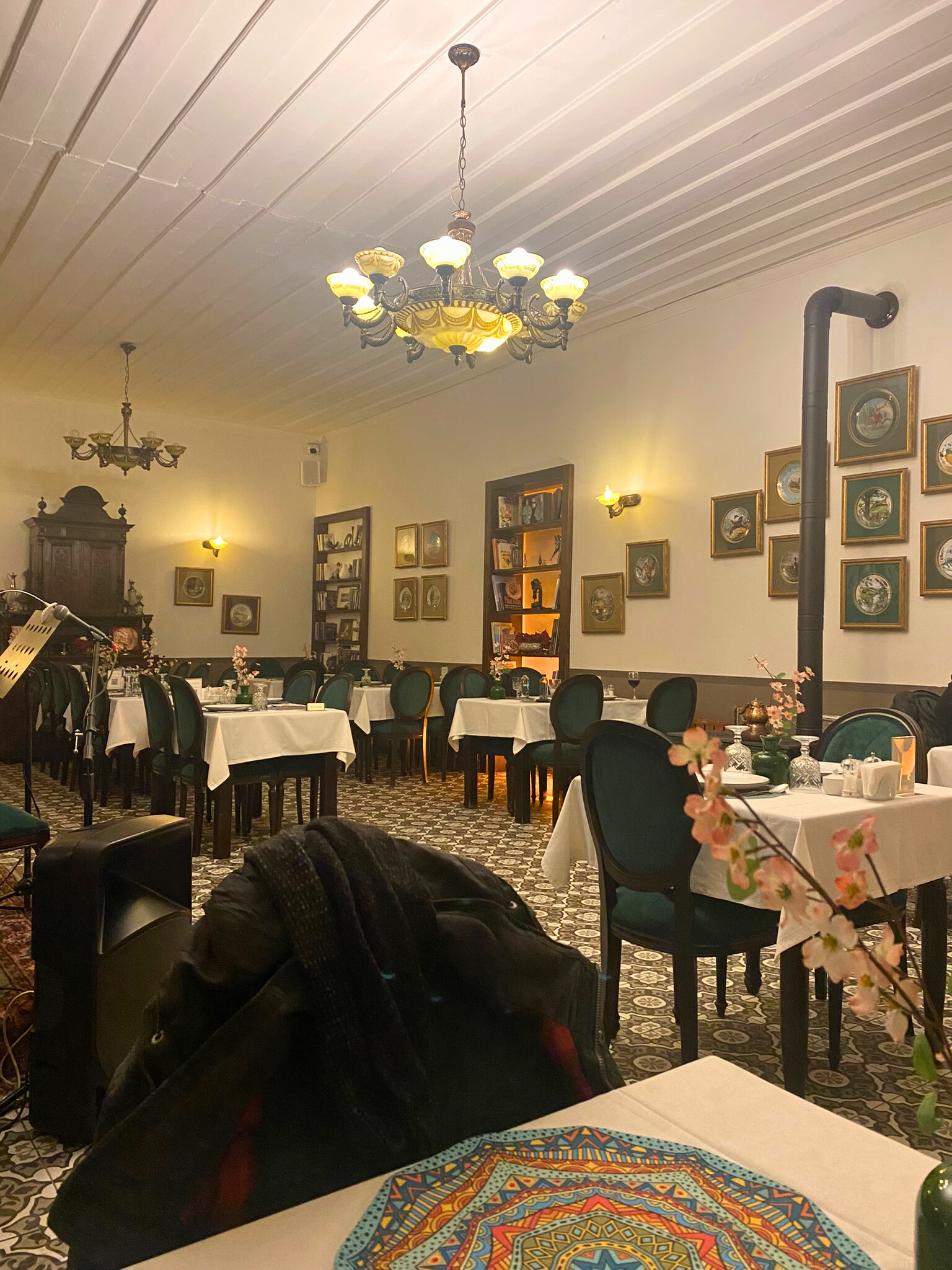
If you want a more classic, calm, long evening meal with plenty of conversation, this is the place. In a single-story Soviet-style building, you can dine with music in a historic setting. The menu is a bit mixed but broad enough for most tastes. I recommend medovik, a Russian honey cake.
Also Worth Visiting
Unfortunately, schedule and time make it impossible to see everything. Here are places that were on our list but we could not reach. If your plans allow, add them:
1. Sarıkamış Ski Resort
One of the few ski resorts in the world with crystal-powder snow. We saw tourists from many countries coming to Kars to ski — including guests at our hotel.
2. Eastern Express Adventure
The Eastern Express many people want to experience runs from Ankara to Kars. For those who want to watch and photograph Turkey’s extraordinary landscapes along the way, it is tiring but beautiful. Buy tickets well in advance — demand is high and they sell out quickly.
3. Namık Kemal House
The house of Namık Kemal’s grandfather, Abdüllatif Pasha. Namık Kemal spent part of his youth here. Today it operates as the Folk Poets Culture and Art House.
4. Kars Museum
A modest museum displaying historical artifacts from Kars and the surrounding area. Entry is free.
Don’t Leave Without Seeing
The most memorable and, for me, most impressive parts of my Kars trip were the Ani Ruins, Caucasian dances, and âşık contests. Watching âşık contests live — a tradition fading in Anatolia — was especially special. And I have to add Kars’s snow and cold. I had never driven through a blizzard like that before.
Don’t Leave Without Eating
One of the most memorable flavors of Kars is, of course, Kars goose with bulgur pilaf. You can find it easily at many restaurants in the city center.