
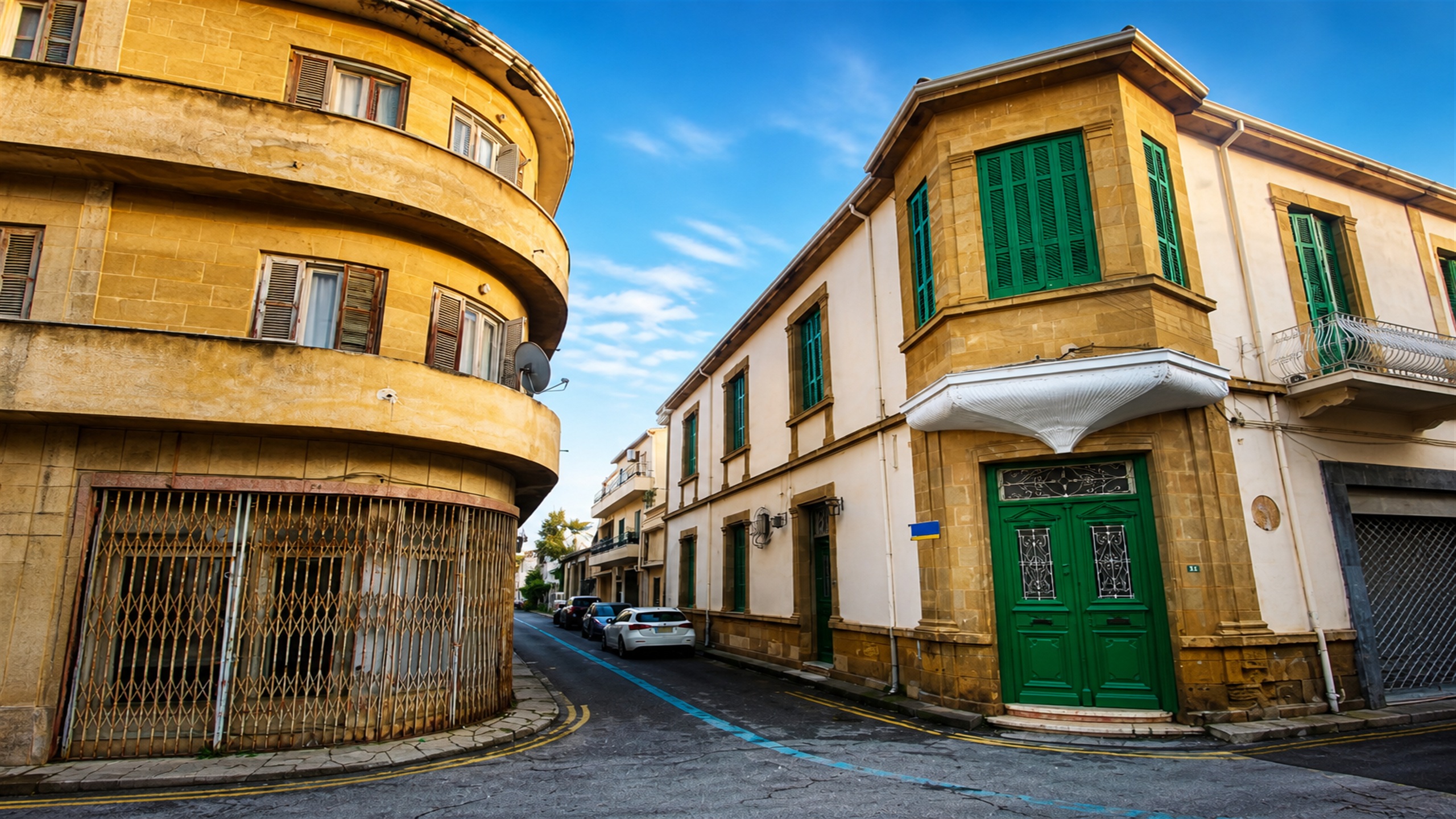
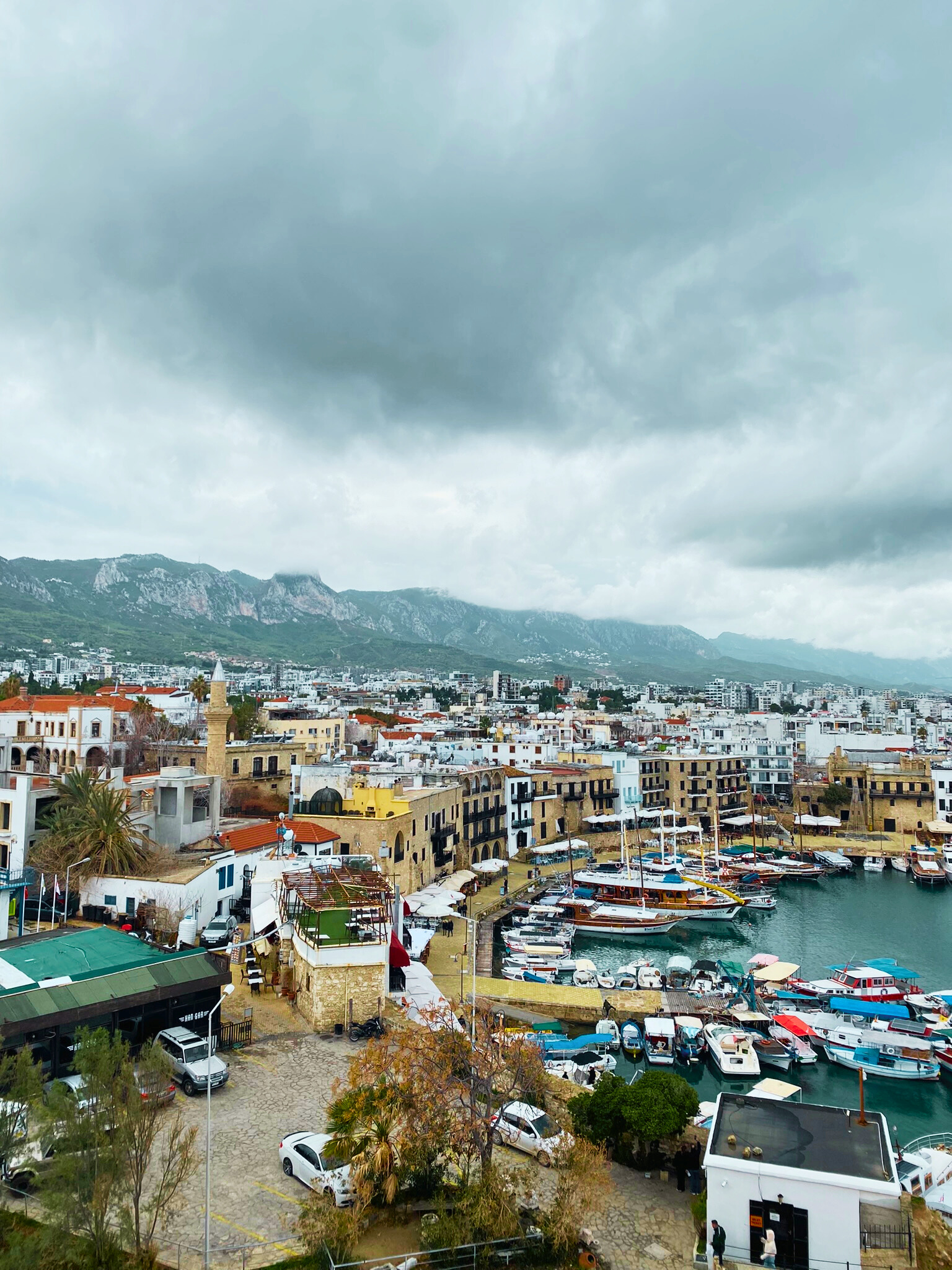
Our baby homeland, our flag waving over blue waters… I honestly felt the sadness of not having gone to Cyprus for so long. It felt as if I had gone abroad, yet people spoke our language and shared our culture. That was both proud and joyful. Despite its bloody, painful past, this is one of the world’s most beautiful geographies — healing its wounds and looking toward tomorrow with hope. Perfect sea, fragrant air, the Beşparmak Mountains framing the cities, the flat plain stretching beyond, and a history left like a legacy by everyone who came and went… Let’s get to know Cyprus not only for its sea, but for everything it is.
When to Visit?
The best time to visit Cyprus depends on the kind of trip you want. If you want a beach holiday and rest, the sea season stretches from April through November. Because it sits on the southern side of the Mediterranean, the climate feels warm by our standards year-round. Summers are hot and dry; winters are mildly rainy and mild. We chose winter — both for my birthday and so we could explore the city comfortably — the quietest season with temperatures that are not too high. In the last week of December, temperatures were around 18°C.
How to Get There?
1. By Plane
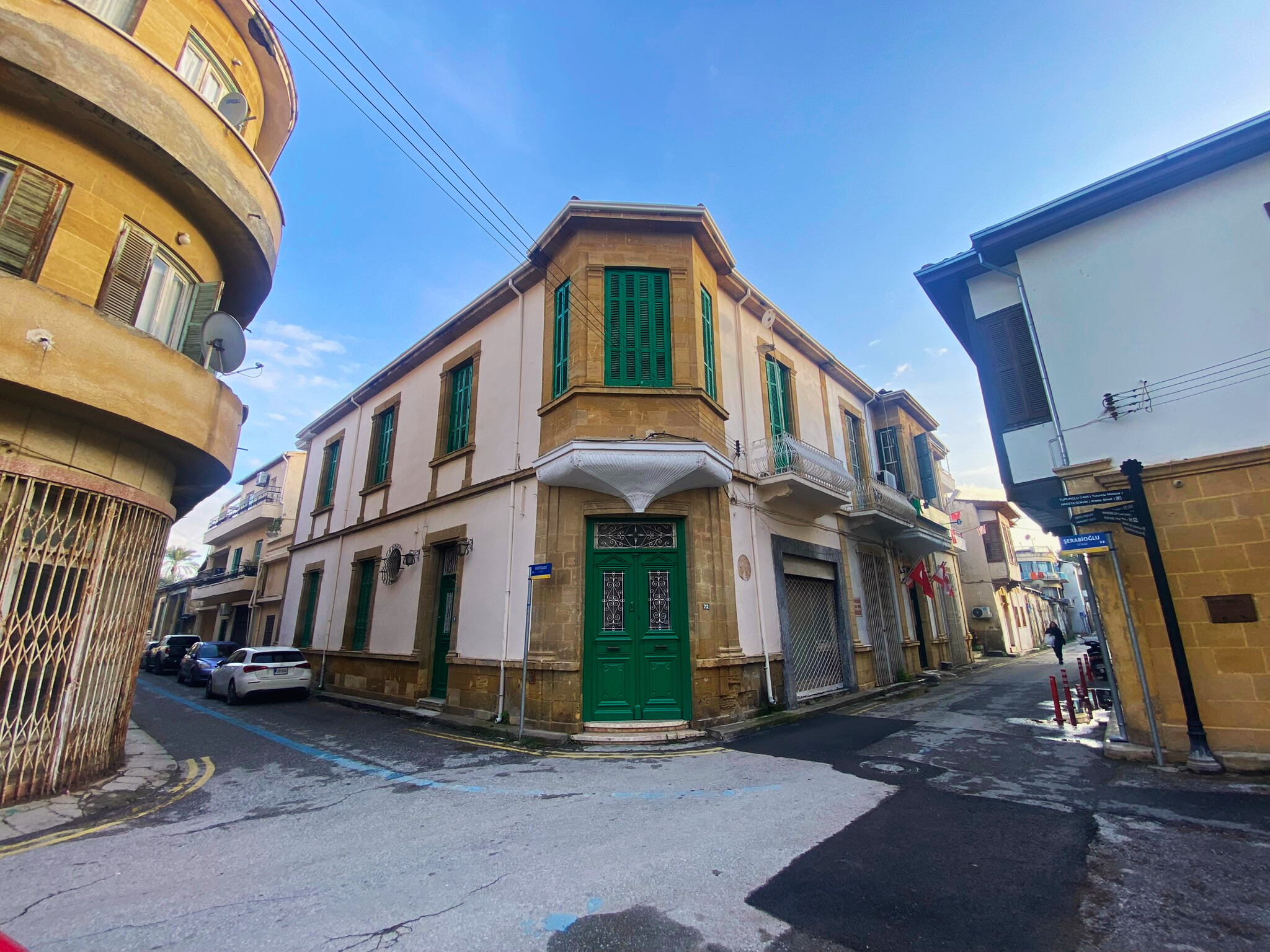
Because Northern Cyprus is not internationally recognized as a country, flights only operate from Turkey. Turkish Airlines and Pegasus fly from cities such as Istanbul, Ankara, Izmir, Gaziantep, Adana, Trabzon, and Hatay. The flight takes about an hour and a half. A chip-enabled Turkish ID card is enough to enter. We do not recommend using a passport at the Cyprus border: because of international issues, a passport stamped by the TRNC can prevent entry to Greece — if that is ever on your plans 🙂
2. By Ferry
You can cross by ferry to Kyrenia from Mersin’s Anamur and Taşucu ports. From videos I have watched online, though, it looks exhausting and rough. The Cyprus–Mersin ferry takes 5–6 hours. It can work for people who handle long sea journeys well.
Currency
The Turkish lira is used in the TRNC. You do not need to exchange money.
Do You Need a Visa for the TRNC?
No visa is required for the TRNC. You enter with a chip-enabled Turkish ID card.
Where to Stay?
When people say Cyprus, Kyrenia is usually the first city that comes to mind. All-inclusive chain hotels and their casinos are concentrated there. If you want a culture- and city-focused trip, Nicosia has more budget-friendly hotels — and more sights to see on that side as well.
How Many Days for Cyprus?
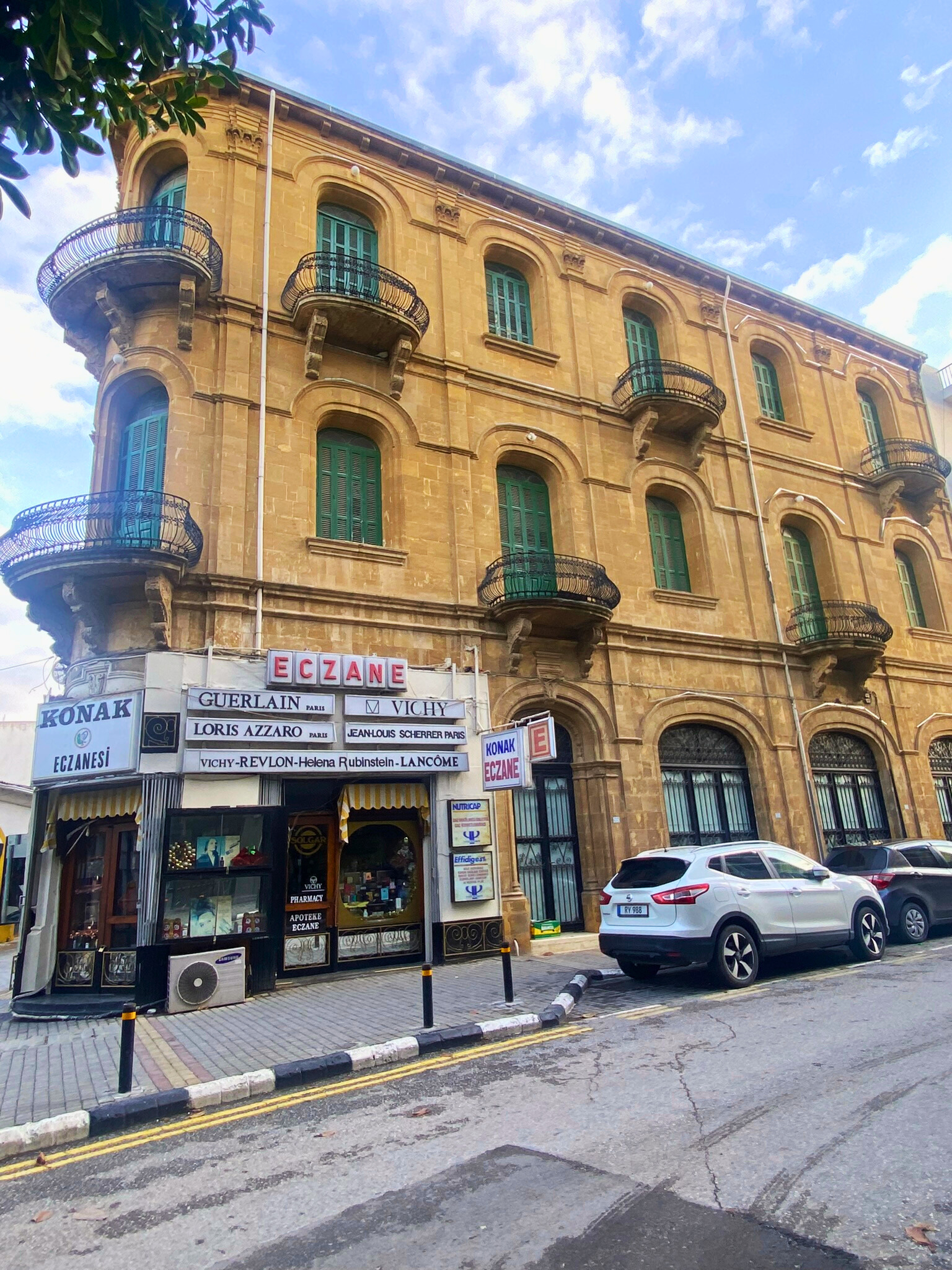
In our view, 3–4 days are enough to see Cyprus. For a more detailed, slower pace, you can stretch to 5–6 days. Beach holiday length is entirely personal. But with summer temperatures above 30°C, we think swimming is a better idea than heavy sightseeing in summer 🙂
Do You Need a Rental Car?
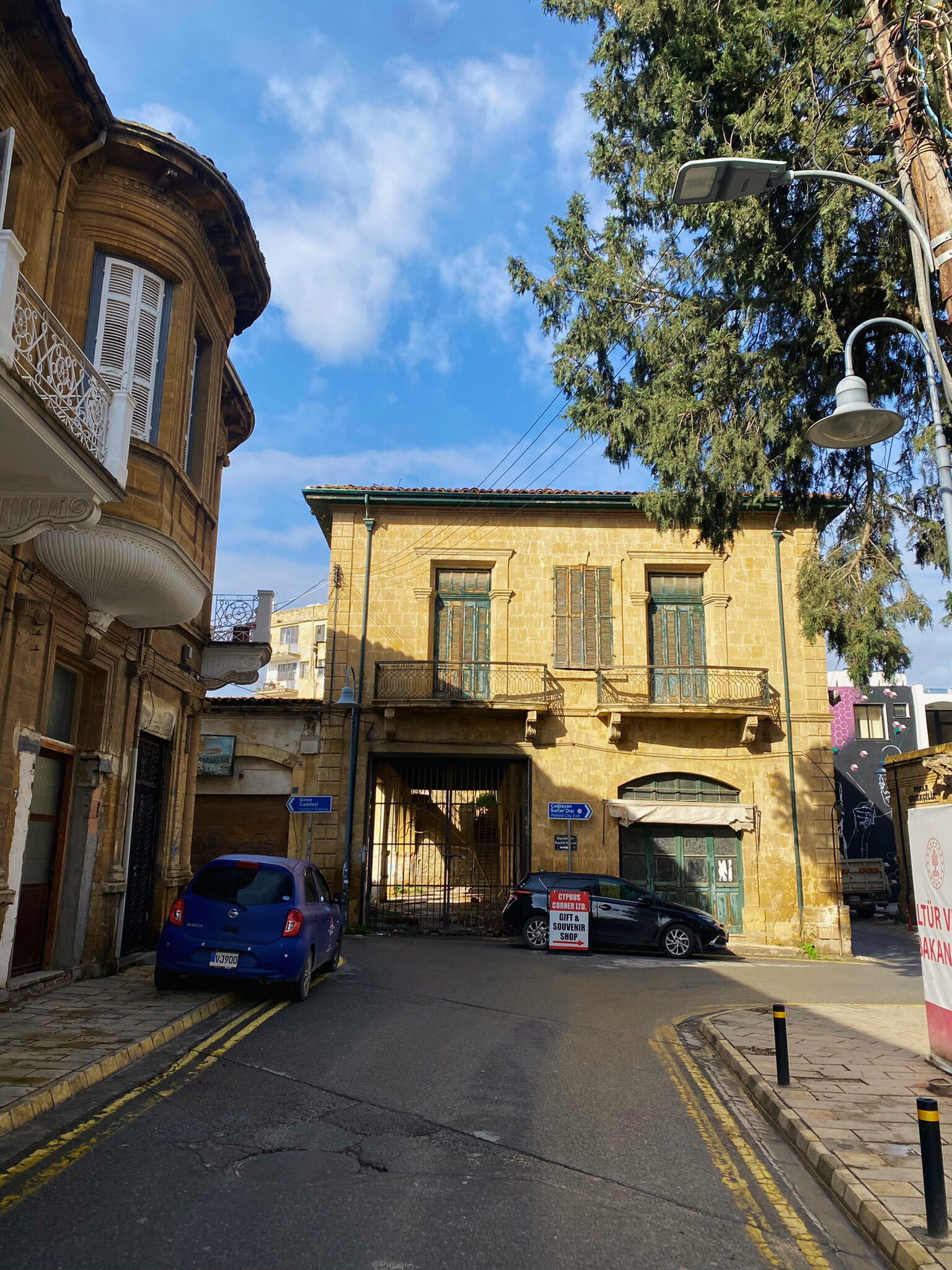
The short answer is yes. Public transport in the TRNC is unfortunately not widespread or efficient. Renting a car is very common among tourists. Rental cars have red plates. Alongside Avis and Budget, there are local offices. If you are only doing a beach holiday and your hotel includes airport transfers, you may not need a car. One important warning: traffic drives on the left.
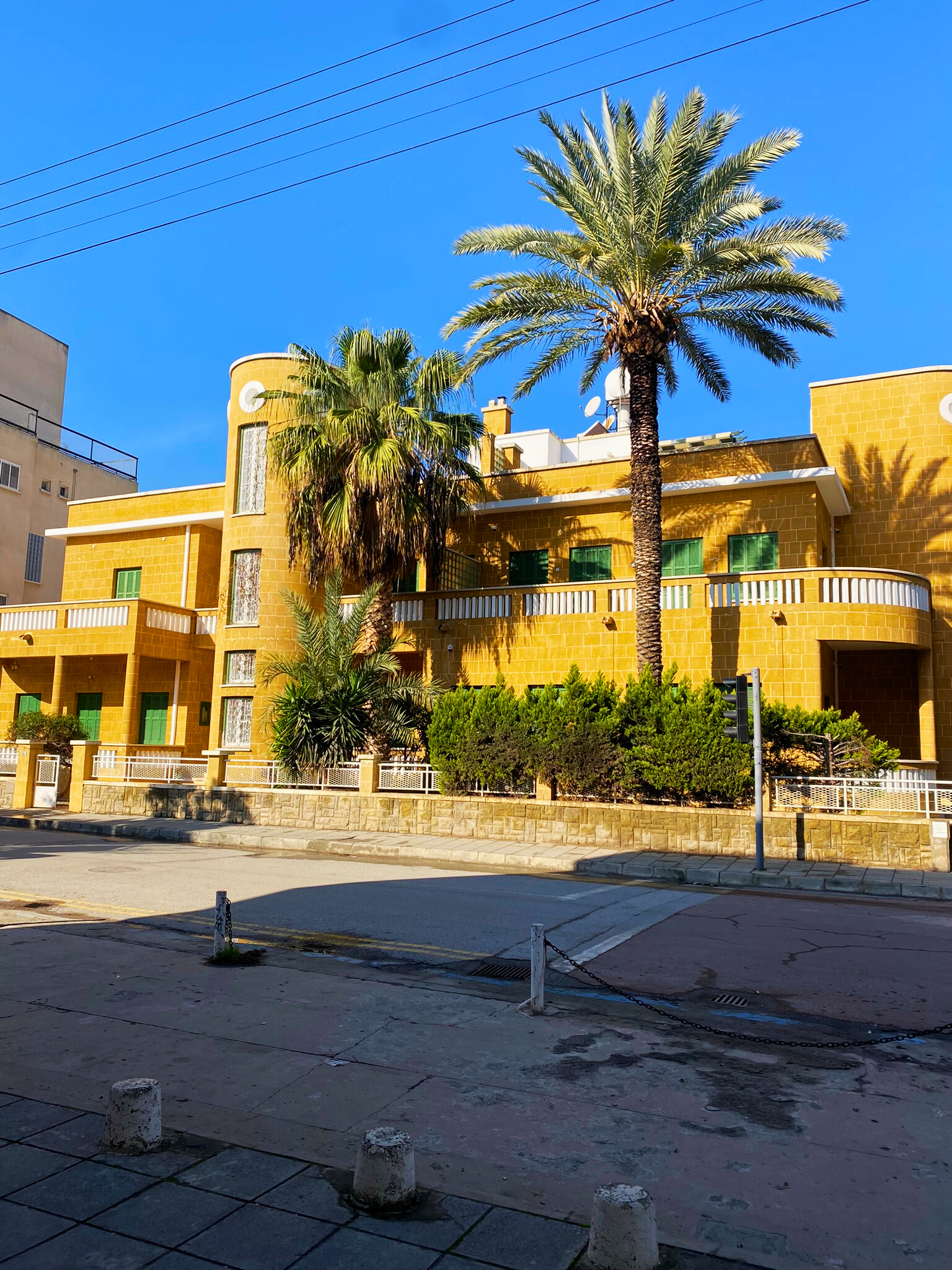
Important Notes Before You Go
- Traffic drives on the left. That is not a problem for renting, but there is an adjustment period at first. Rental cars have red plates, so locals can spot you as a visitor.
- Many museums in the TRNC are closed on Sundays, and opening hours vary. Plan your itinerary accordingly before you arrive.
- Summer temperatures can reach around 40°C. Keep that in mind if you plan a heavy sightseeing schedule.
Places to Visit
Nicosia
1. Büyük Han
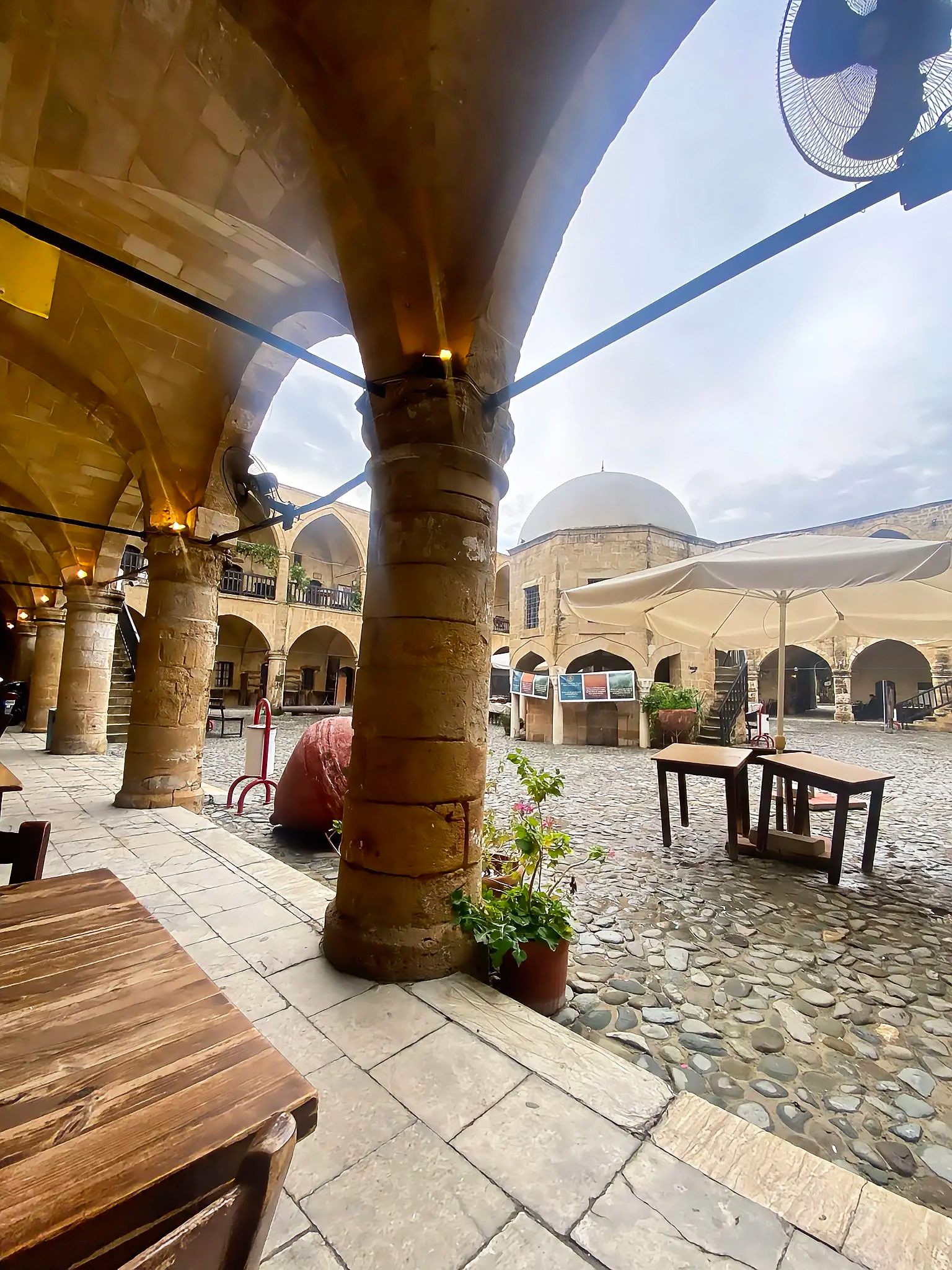
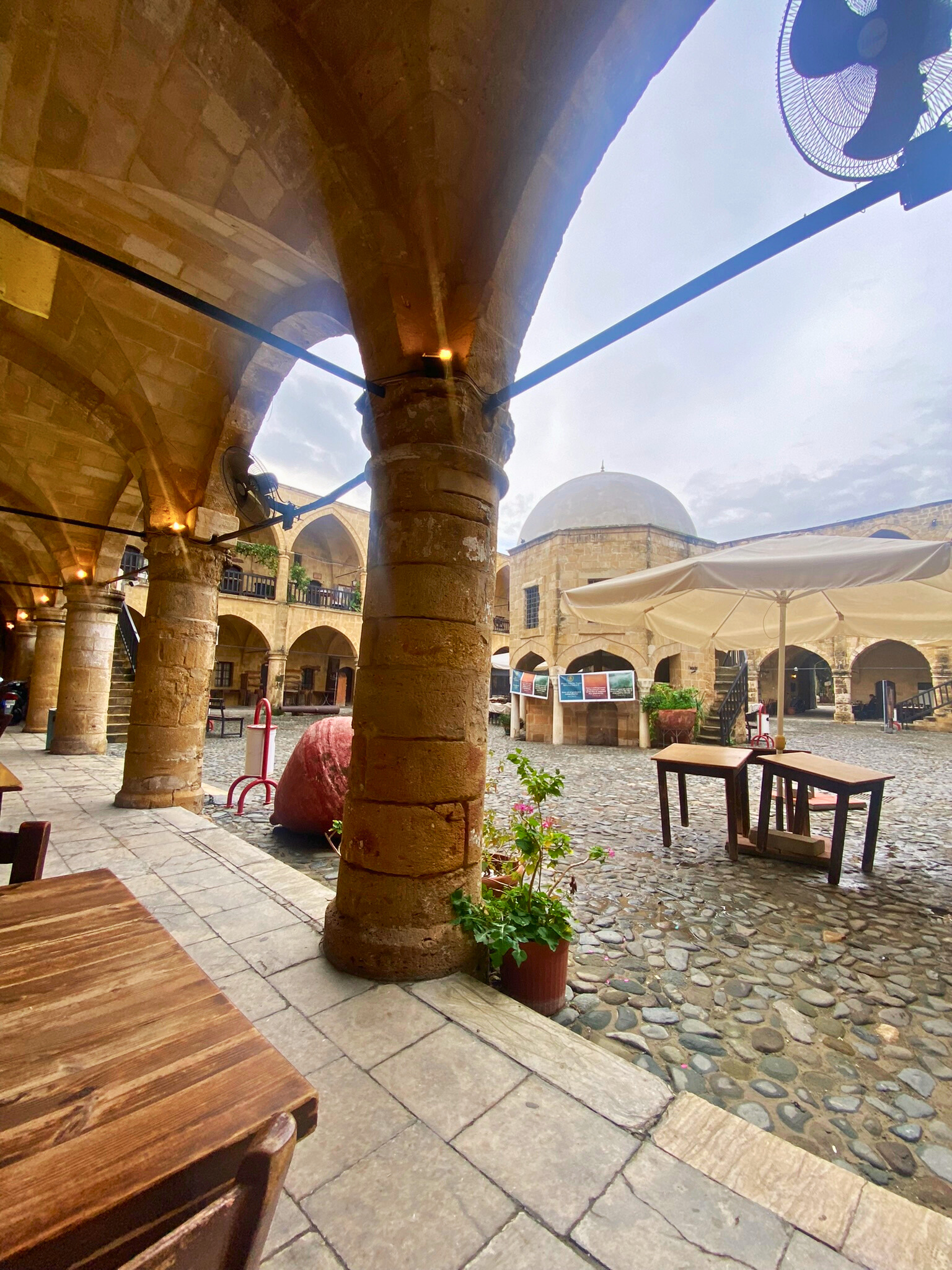
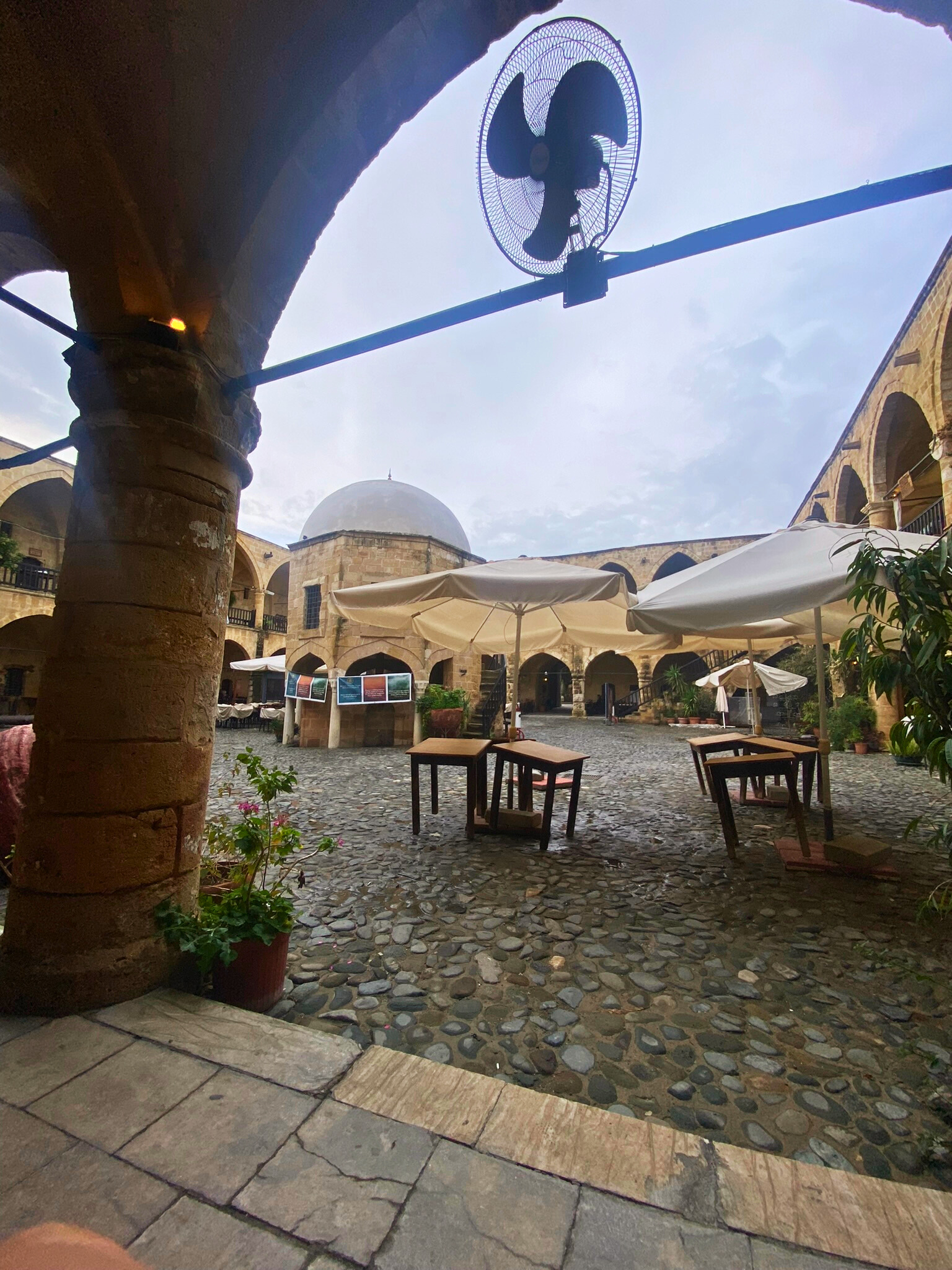
An Ottoman inn built in 1570 for merchants of the period. After the island passed to British rule it became a prison; in the 1900s it was opened to low-income families. Today, after restoration, it is a social space with shops and workshops.
There is a fountain in the center. We found the atmosphere warm and pleasant — you can sit and eat or drink something. Map location 1.
2. Kumarcılar Hanı
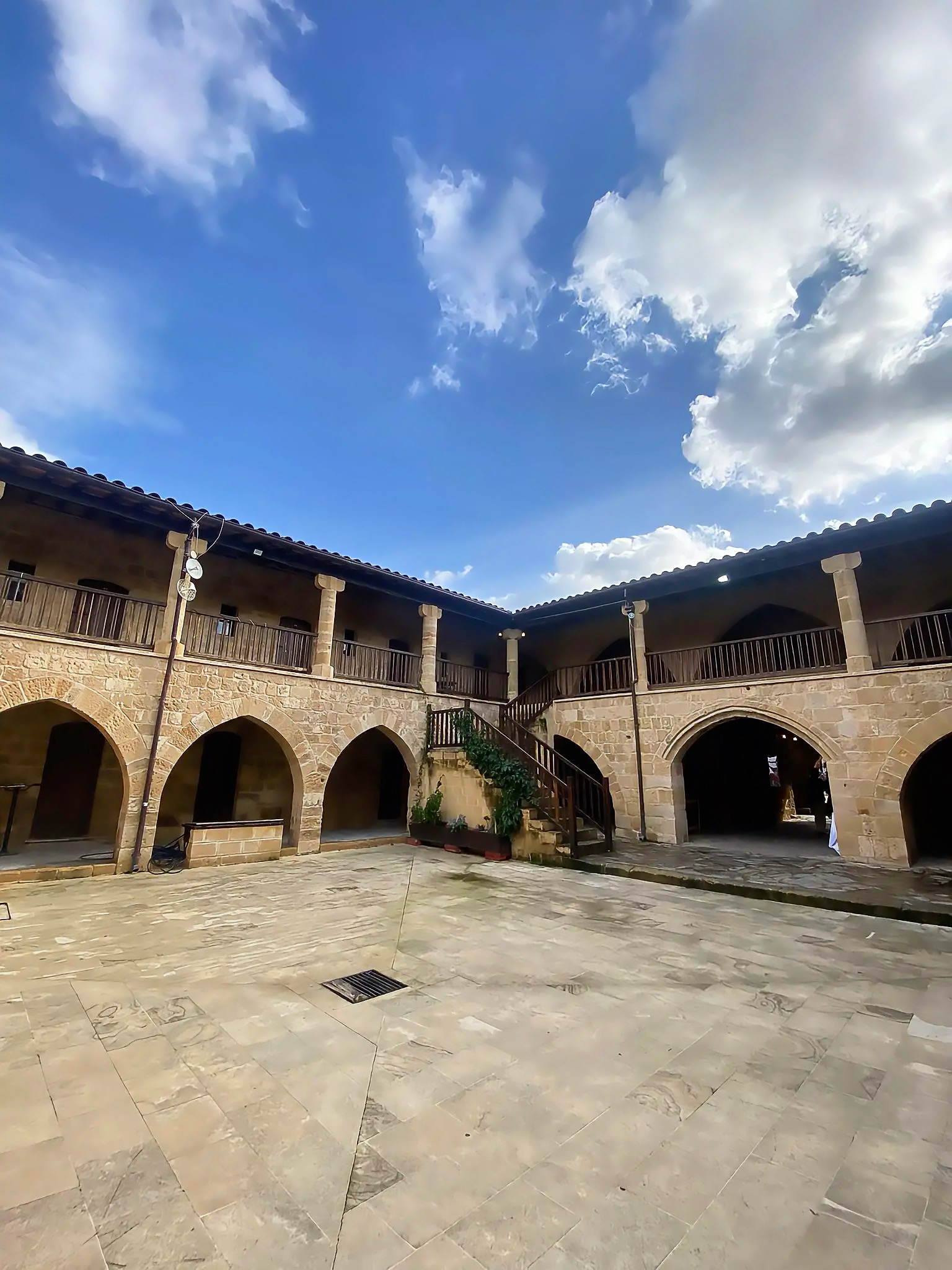
Its exact construction date is unknown. Though the name is debated, it is thought to come from names like “donkey drivers’ inn” or “saddle makers’ inn.” It is less active than Büyük Han, but there are shops selling handicrafts. Map location 2.
3. Municipal Market (Bandabulya)
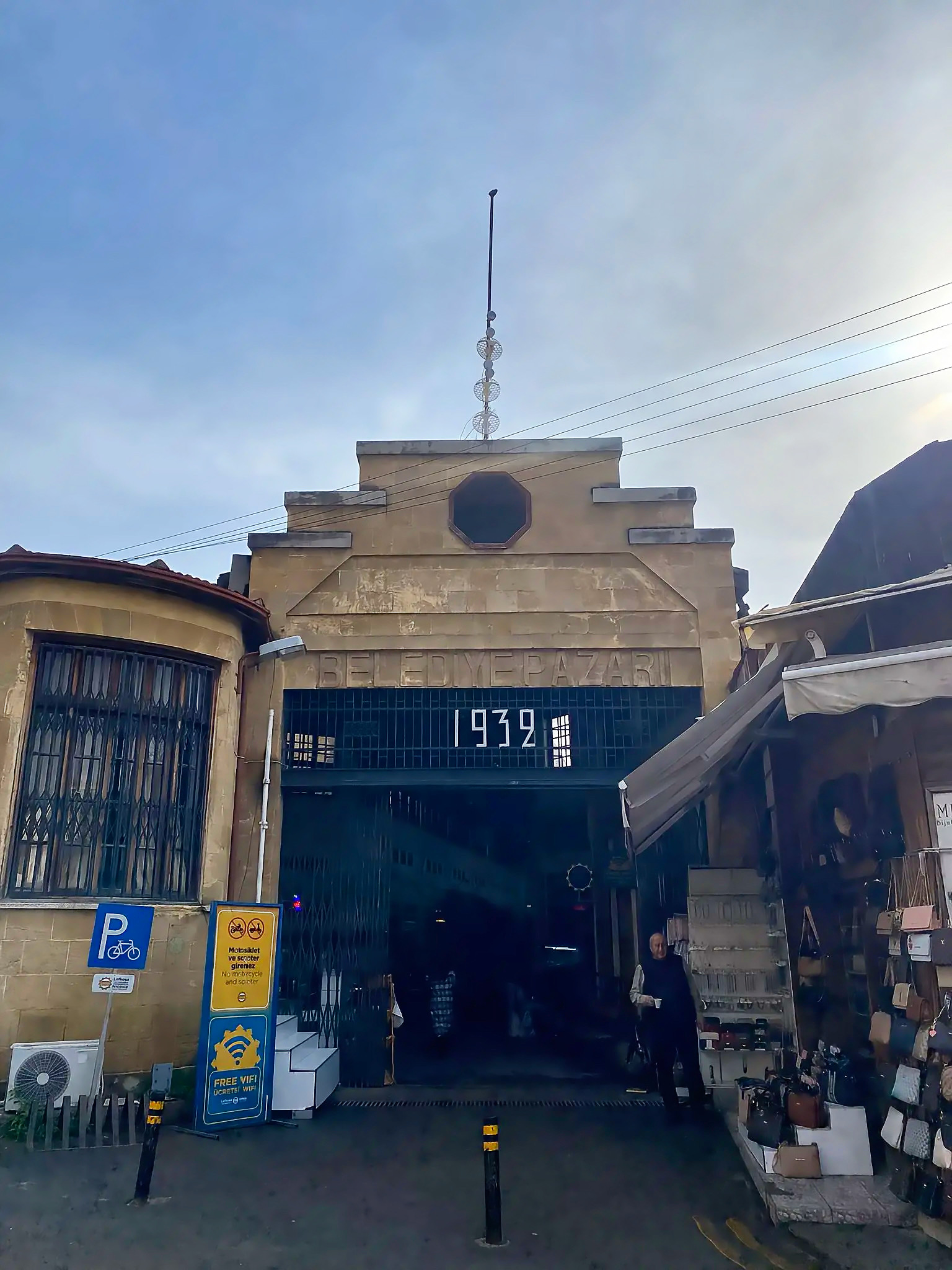
A covered market opened in 1932. There have been shops inside from the start selling fruit, vegetables, and food — and today souvenir shops as well. “Bandabuliya” comes from Greek meaning continuous sale. Later restoration problems meant much of the building was demolished and rebuilt, so whether it still carries historic character remains debated. Map location 3.
4. Medieval Stone Works Museum
The building was constructed as a residence in the Venetian period — single-room, two-story cut stone. Since 2003 it has been used as a stone works museum, with marble pieces, sarcophagi, and more. It is small with a limited collection, so a visit is quick. Entry 60 TL. Map location 4.
5. Haydarpaşa Mosque
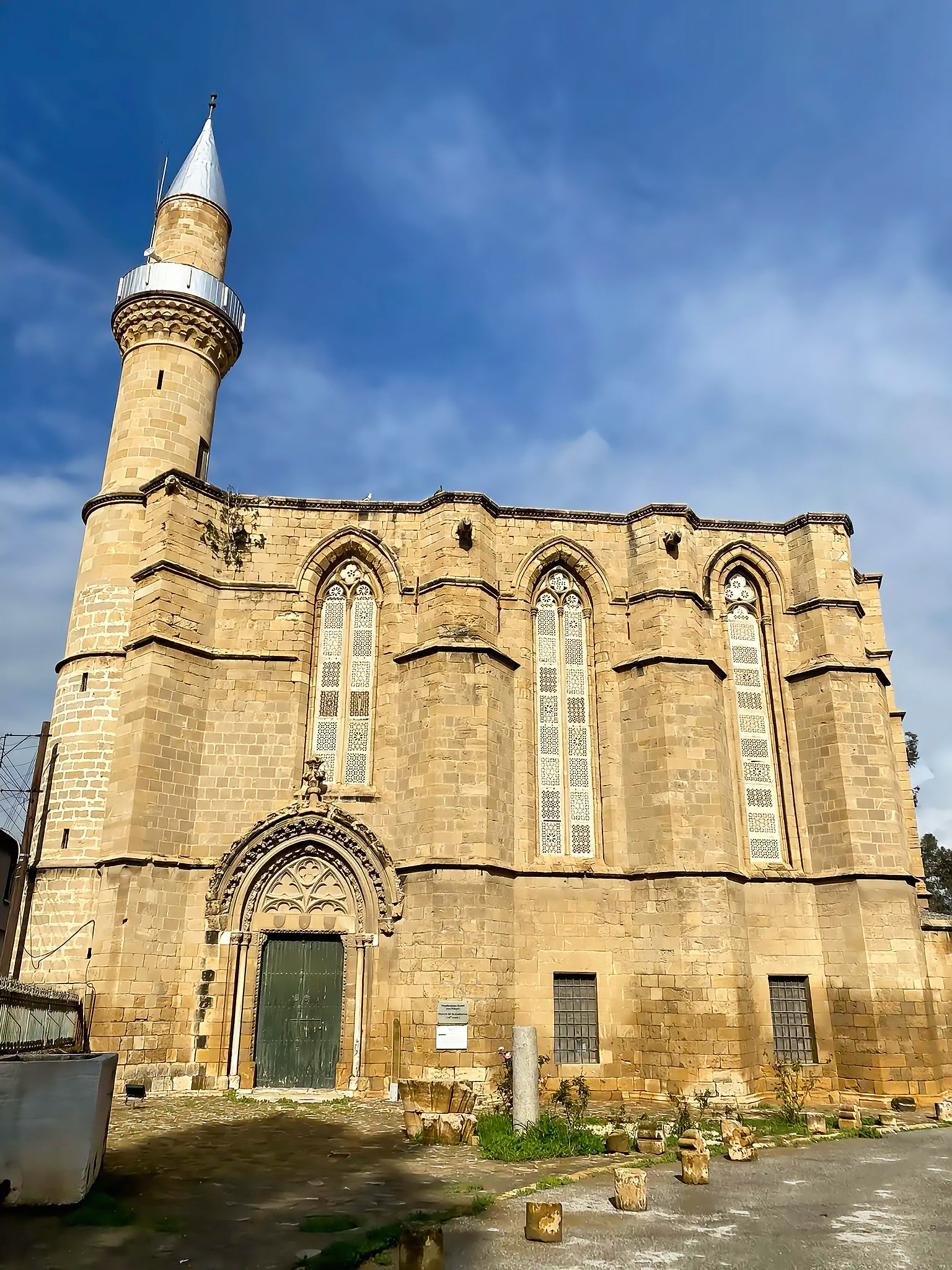
Formerly known as St Catherine’s Cathedral, this mosque is one of the finest examples of Gothic architecture in Nicosia. Built in the 1300s and preserved to this day, it is one of the island’s most important historic monuments. Map location 5.
6. Yiğitler Bastion
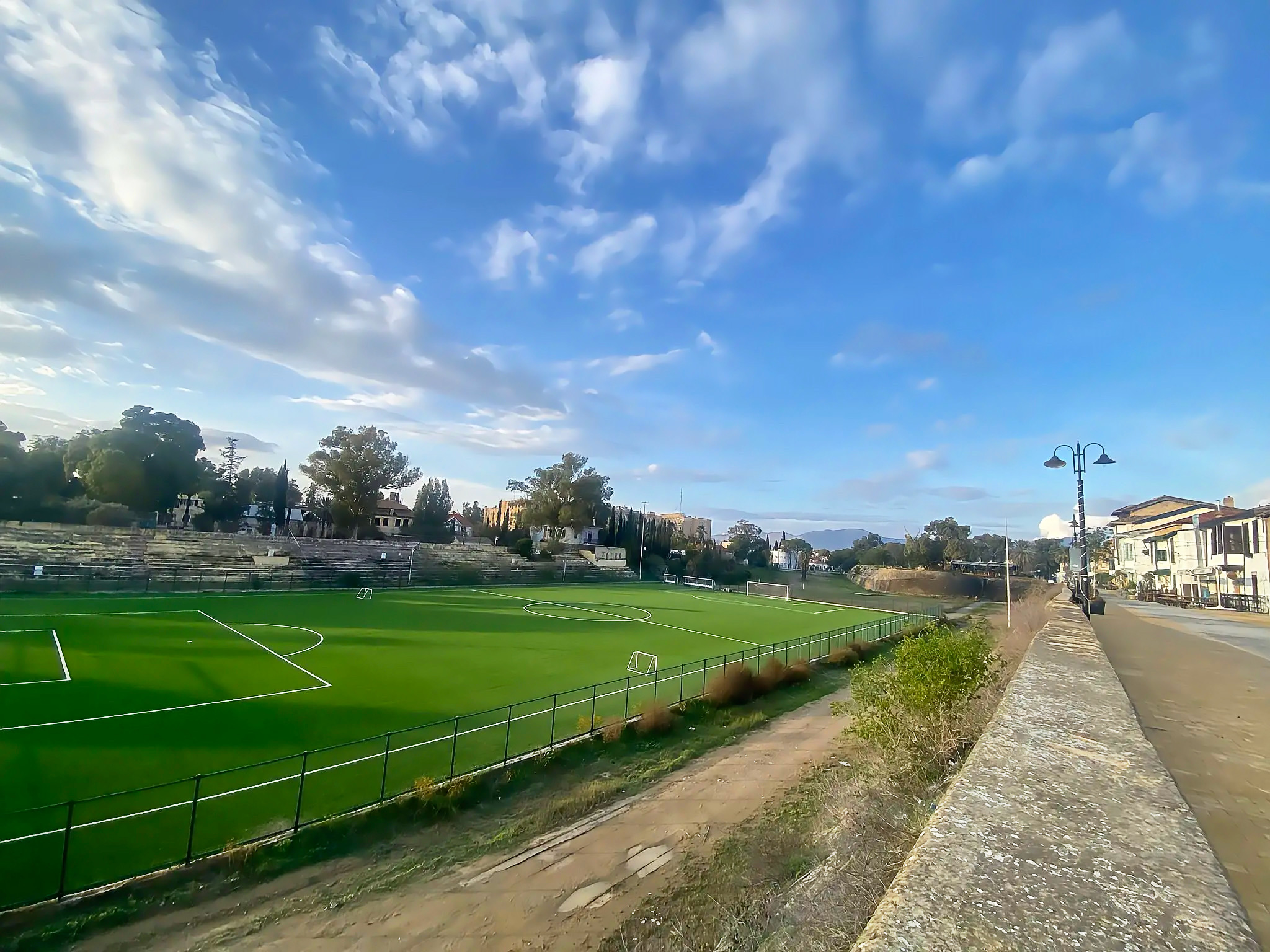
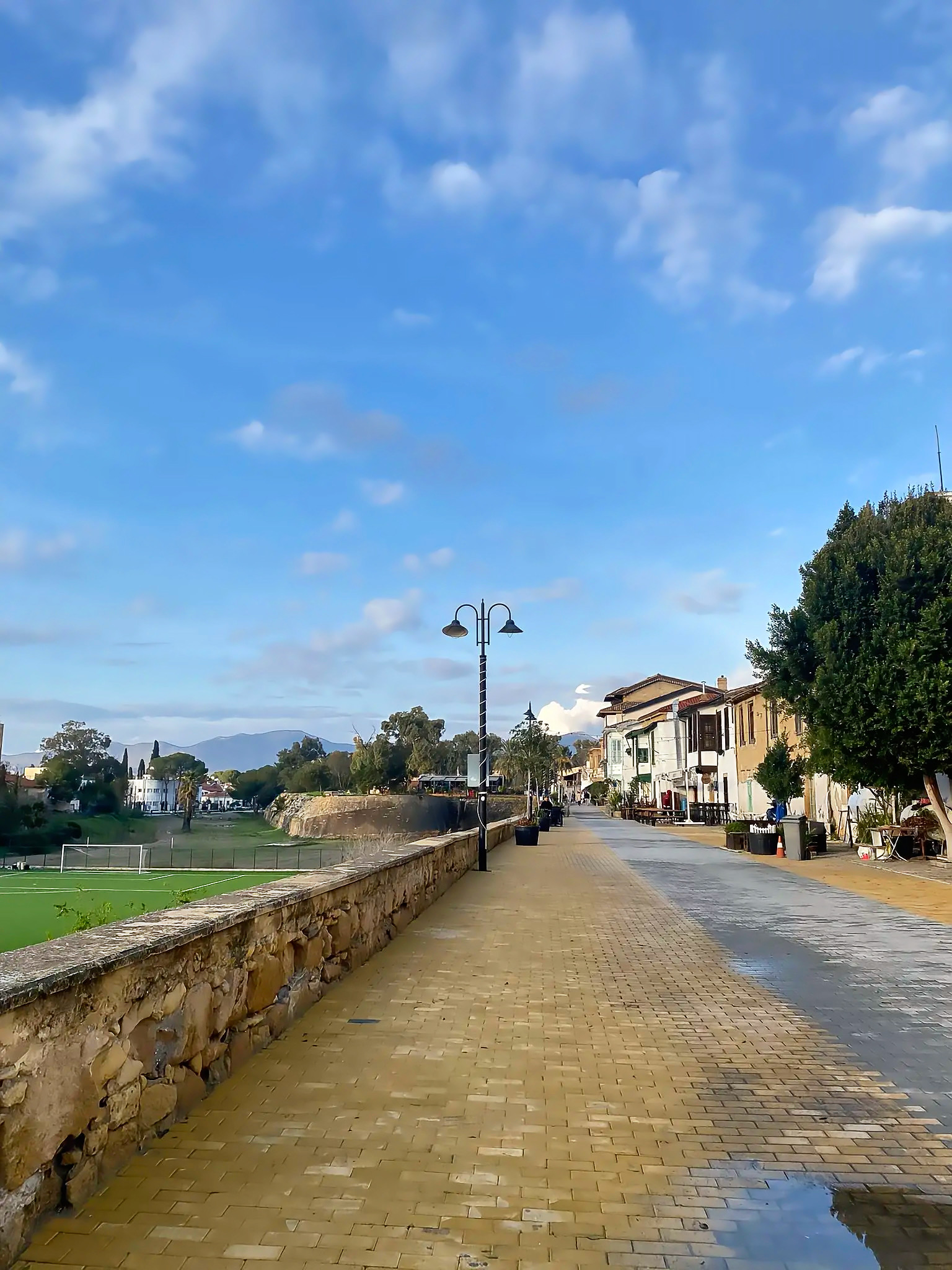
One of the best points in Nicosia for looking toward the Greek side. Between the two countries lies a UN buffer zone. Beyond the bastion there are cafés and restaurants with views of the Greek side — a good spot for a break. Map location 6.
7. Lusignan House
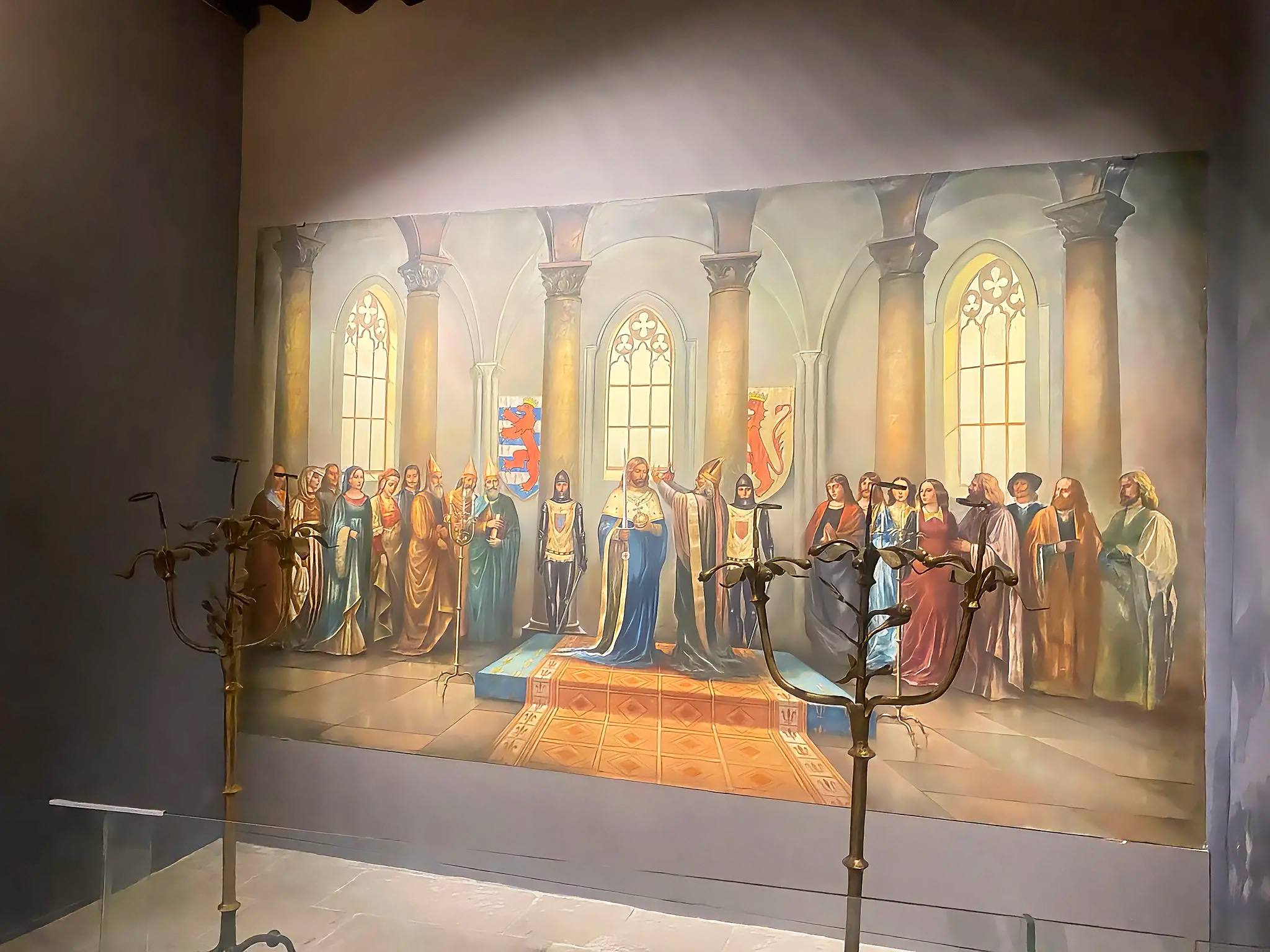
Built in the period of the Lusignans — a French-origin dynasty that ruled Cyprus — with later additions under Ottoman rule. Today it is a museum with a small courtyard. Map location 7. Inside it feels more like an ethnography museum, with interiors reflecting Cypriot life and wax figures staging henna and wedding scenes.
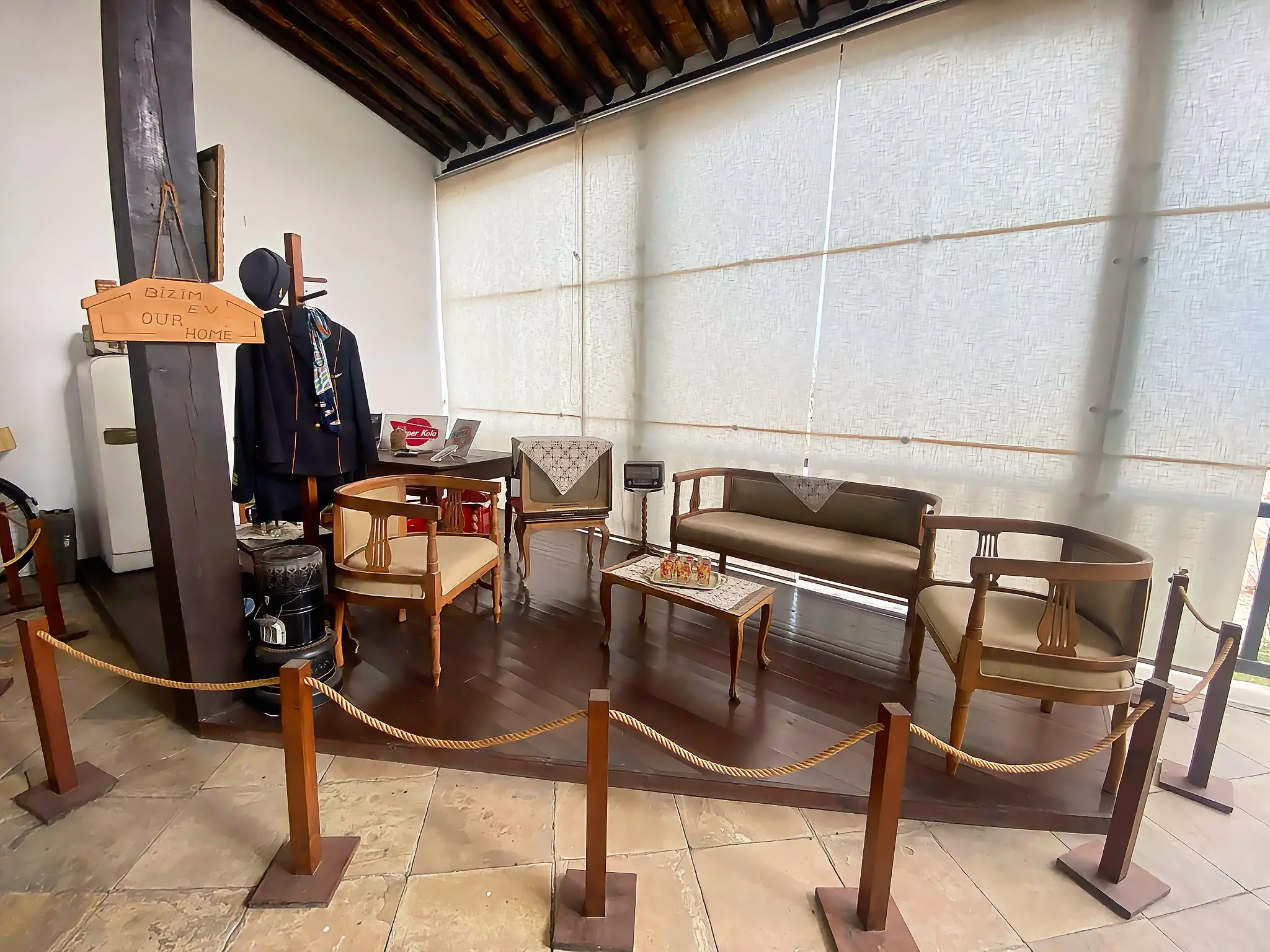
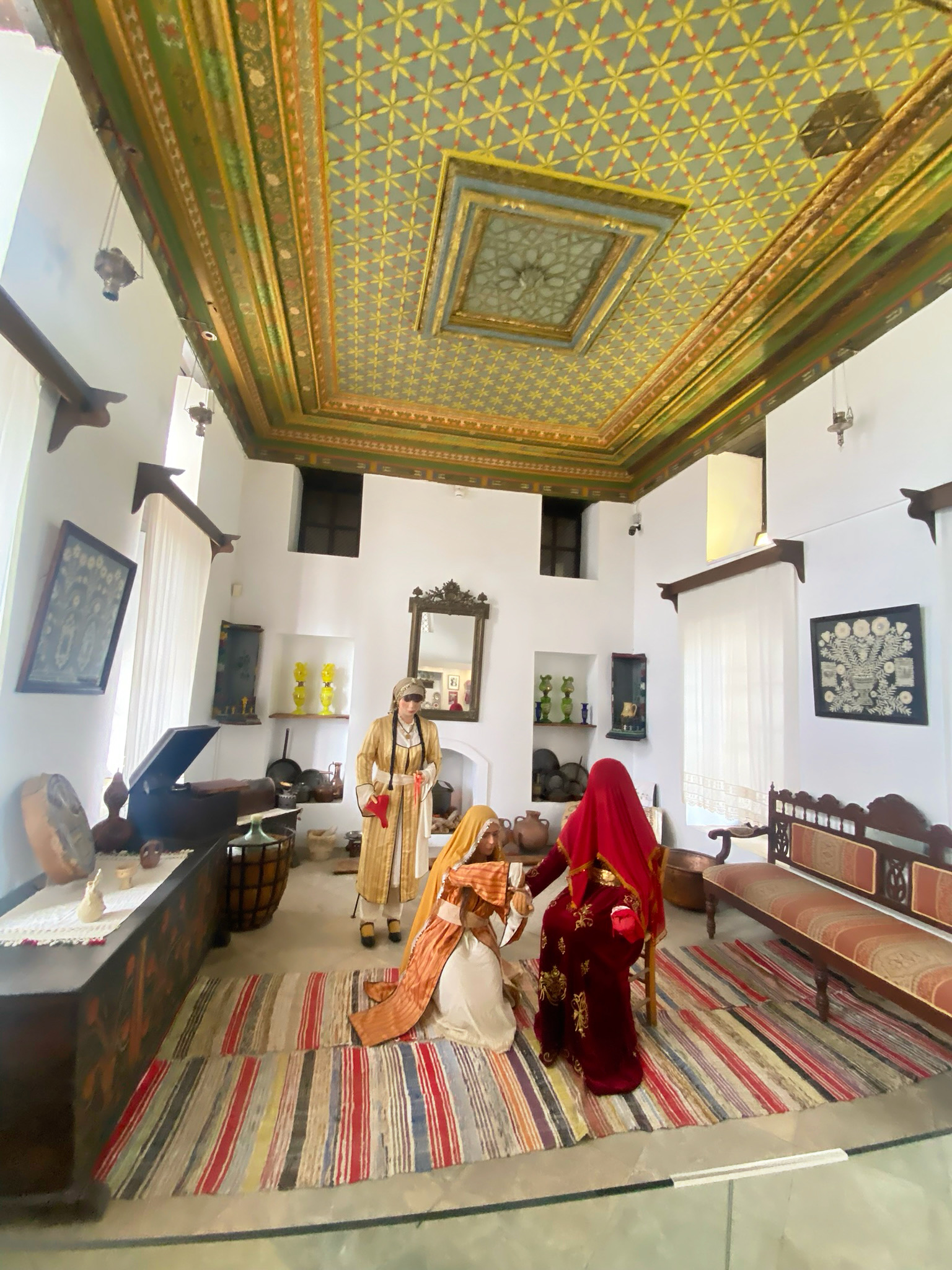
8. Alparslan Türkeş House
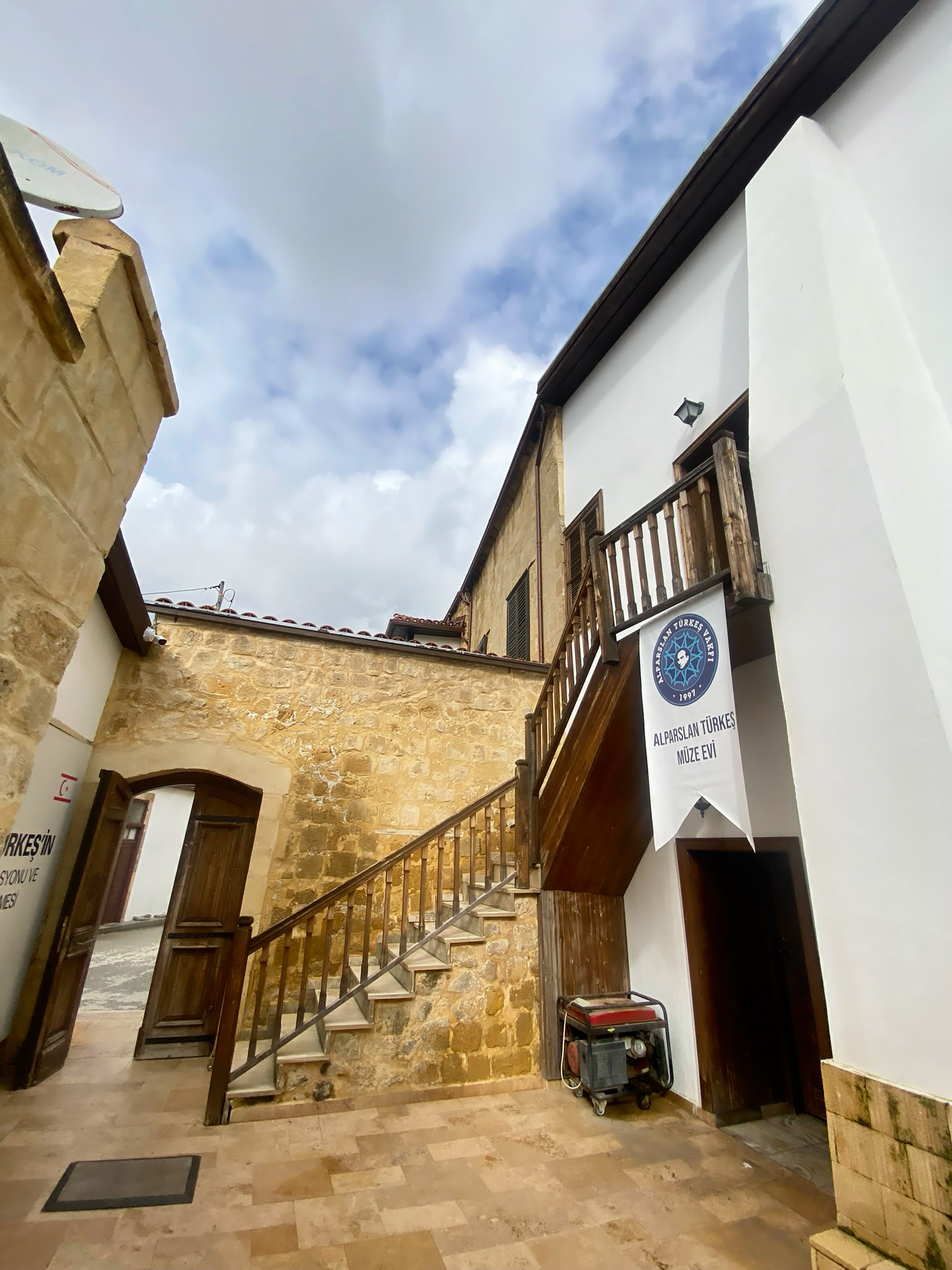
The birthplace of Alparslan Türkeş, an important figure in Turkish politics, stands right next to Lusignan House. Once neglected and ruined, it was restored in 2019 through TİKA (Turkish Cooperation and Coordination Agency) and returned to Cyprus. Map location 8.
9. Kyrenia Gate
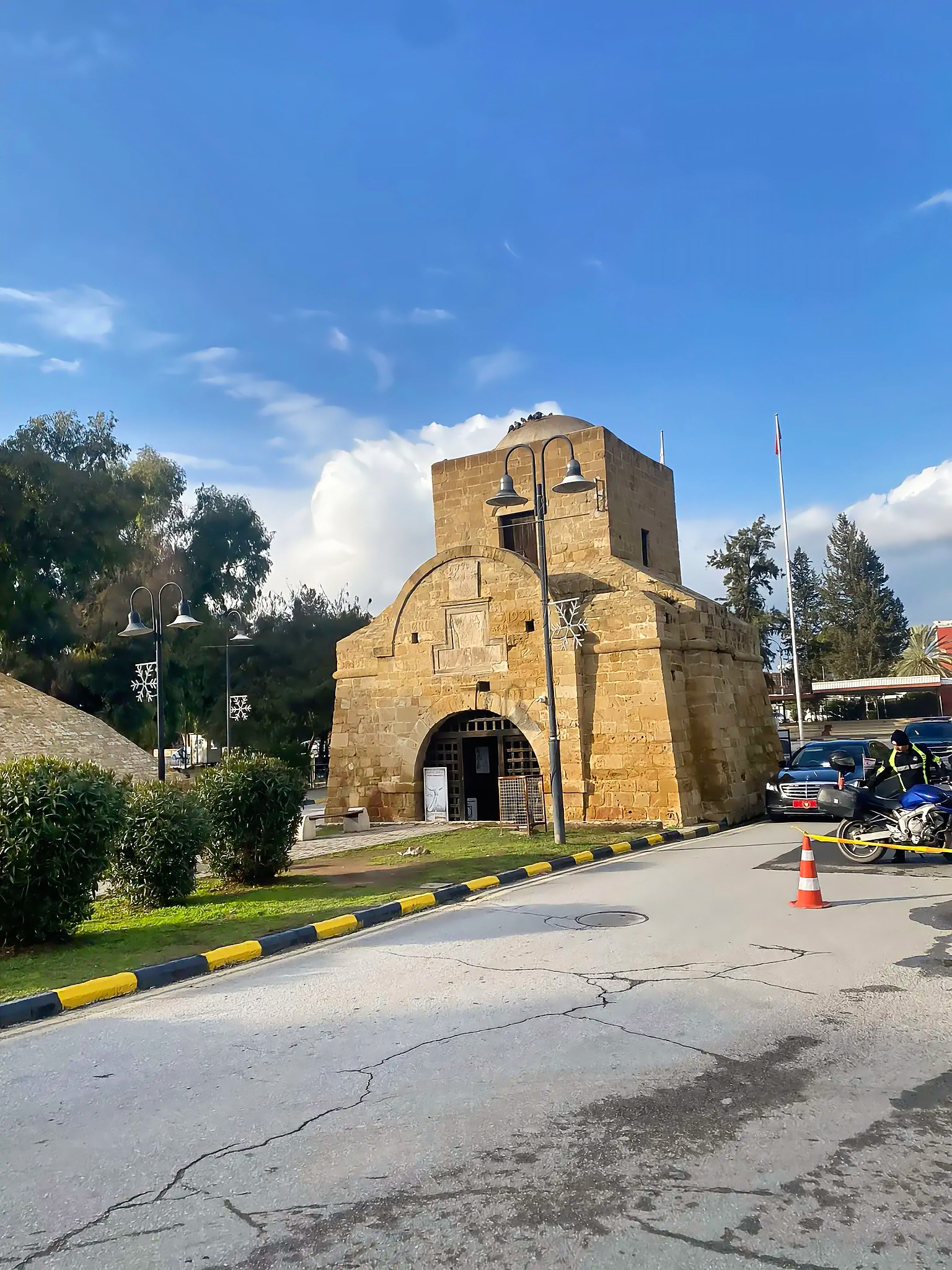
A historic gate on the Nicosia walls. It sits on a very old, important road linking Nicosia to Kyrenia. Built in the Venetian period, it still stands on major urban arteries. Location 9.
10. Venetian Column
It stands in Atatürk Square, one of Nicosia’s busy squares. Though often thought to be Venetian-built, that is not quite true. The Venetians who conquered the island brought this piece from the ancient ruins of Salamis in Famagusta and erected it at an important point in the city. After the Ottomans took the island, in 1550 they removed the column and took it to Sarayönü Mosque. After the British occupied the island, they returned it to today’s spot. The granite column is topped with the Lion of St Mark representing Venice; at the base are the coats of arms of six noble Venetian families. Map location 10.
Famagusta
1. Lala Mustafa Pasha Mosque
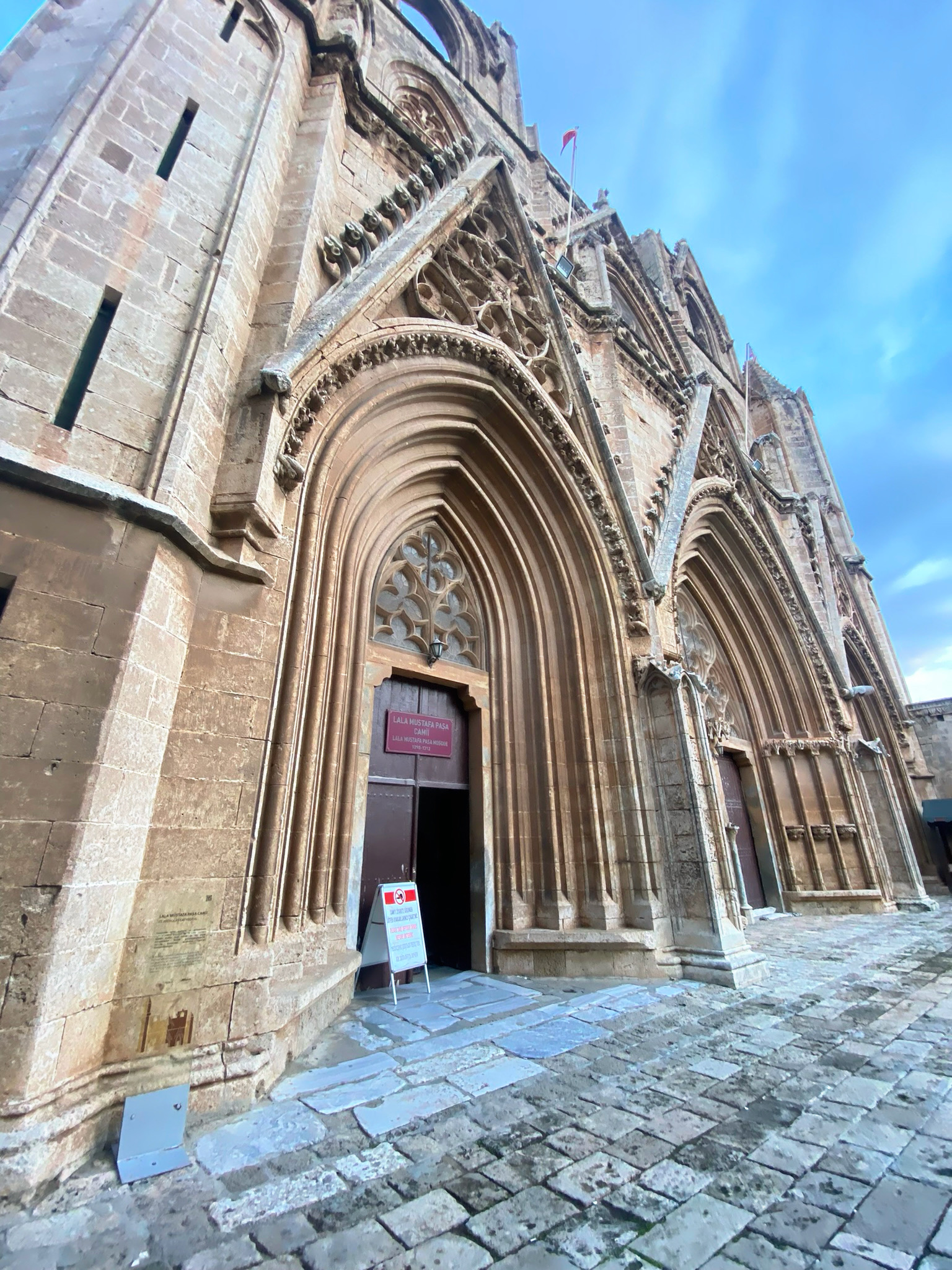
Built as a cathedral during Lusignan rule (1192–1489). Formerly St Nicholas Cathedral, after the Ottoman conquest it became Ayasofya Mosque and later Lala Mustafa Pasha Mosque, named for the conqueror of Cyprus. The building has architecture you would otherwise see in medieval European cities — you can suddenly feel as if you have left Famagusta for Strasbourg. The original is extremely well preserved; it is hard not to admire it. Map location 11.
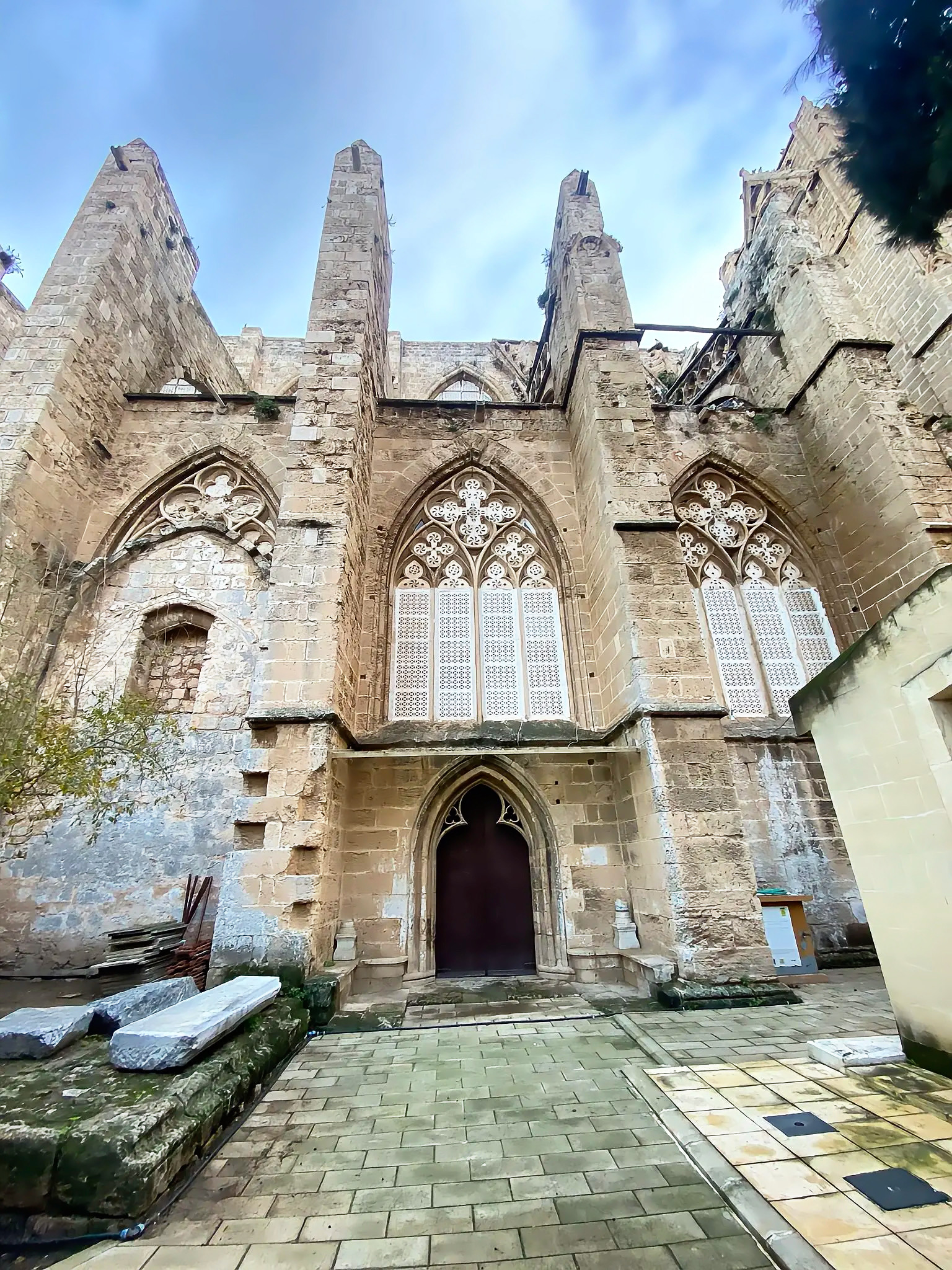
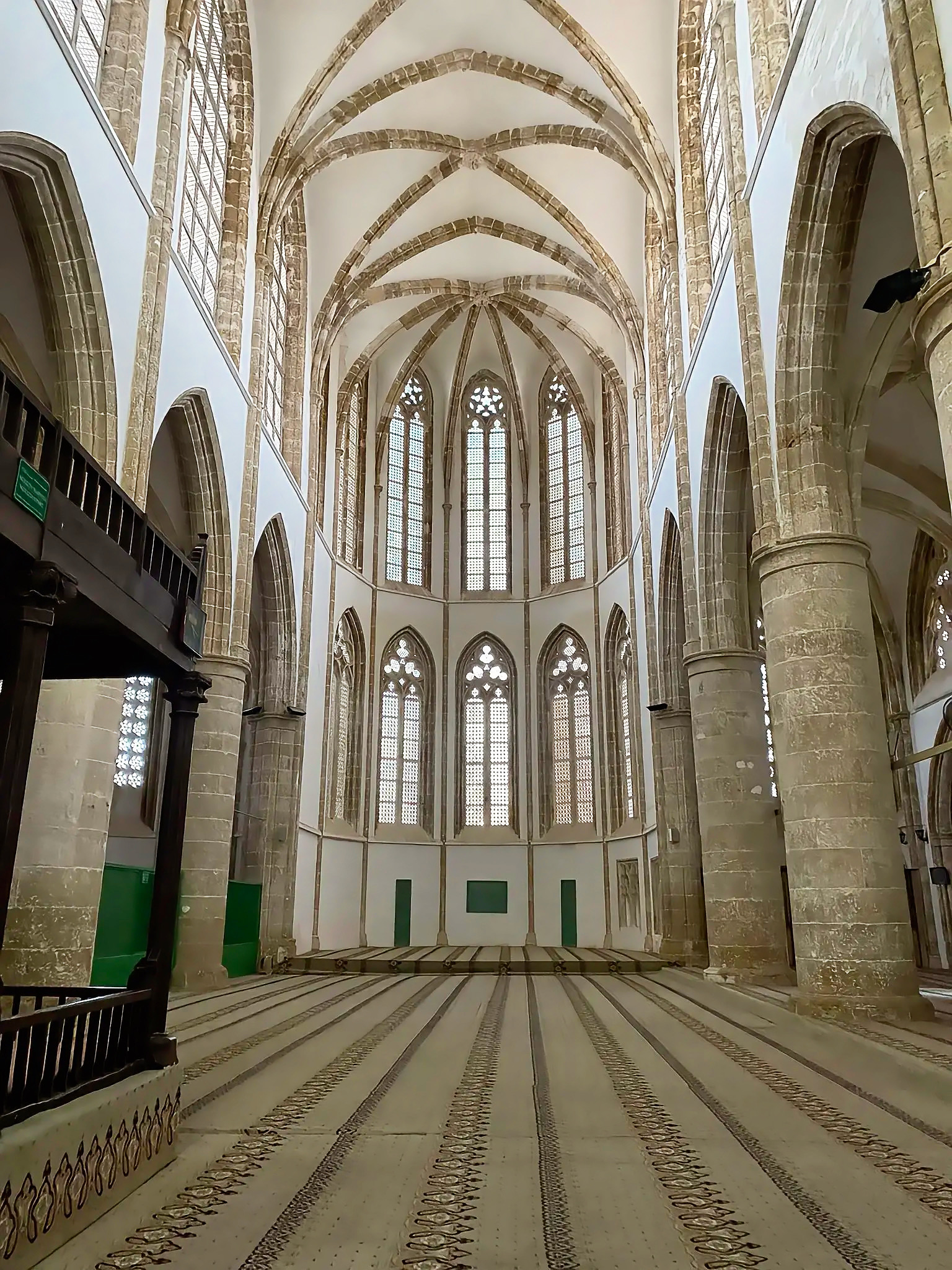
2. Historic Cümbez Tree
This monument tree in front of Lala Mustafa Pasha Mosque is about 750 years old. Listed on the TRNC Cultural Department National Heritage List and protected by the Famagusta Forestry Department. It is a tropical tree that bears a type of fig. Map location 12.
3. Venetian Palace Remains
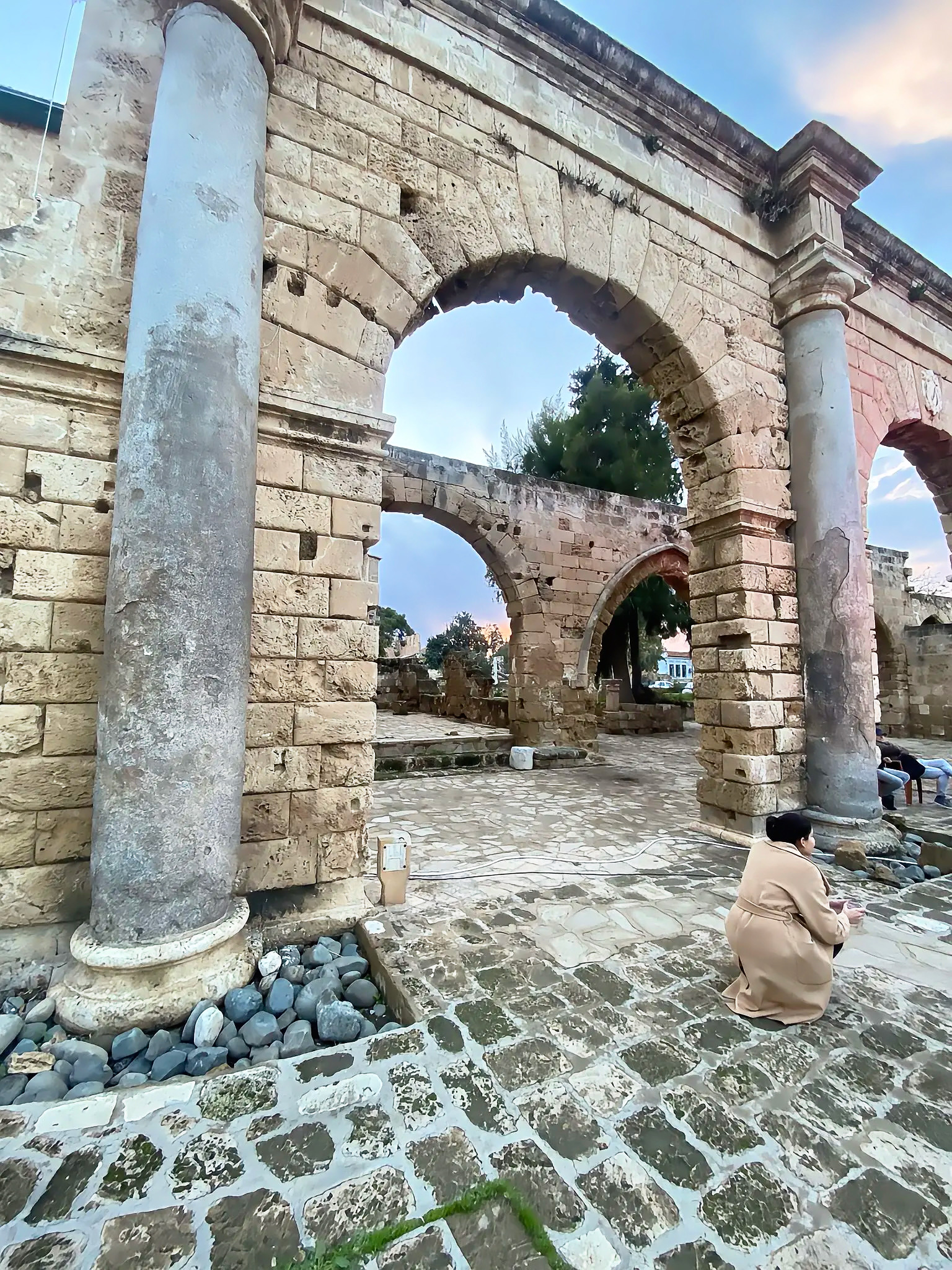
Namık Kemal Square, right in front of Lala Mustafa Pasha Mosque, and the Venetian Palace remains at its end should be seen together with the mosque. Almost only ruinous remains survive from the Venetian-period palace. Inside were dungeons where Namık Kemal, often sent into exile, once stayed. When restored, it will clearly contribute enormously to island tourism. Map location 13.
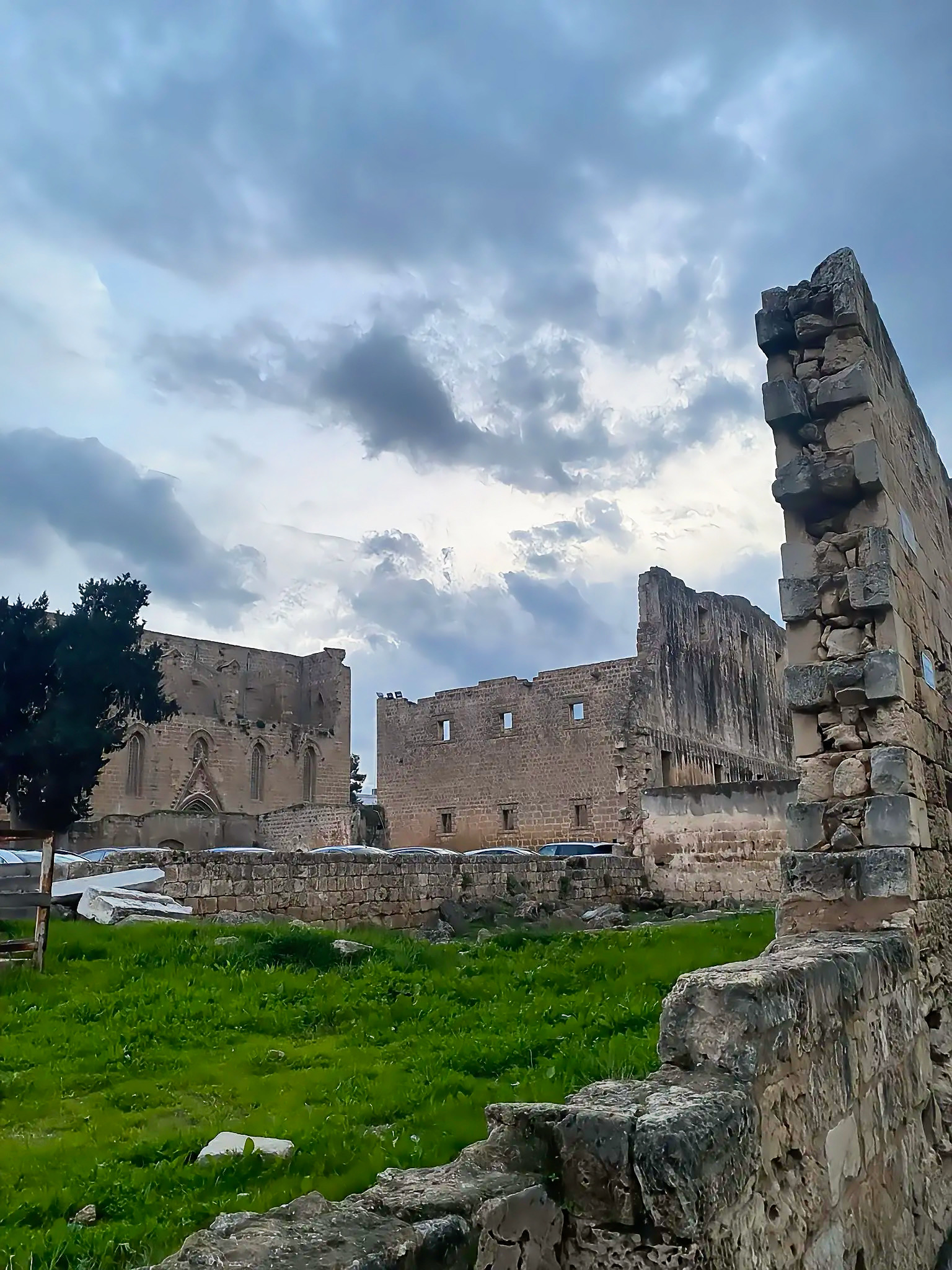
4. Sinan Pasha Mosque
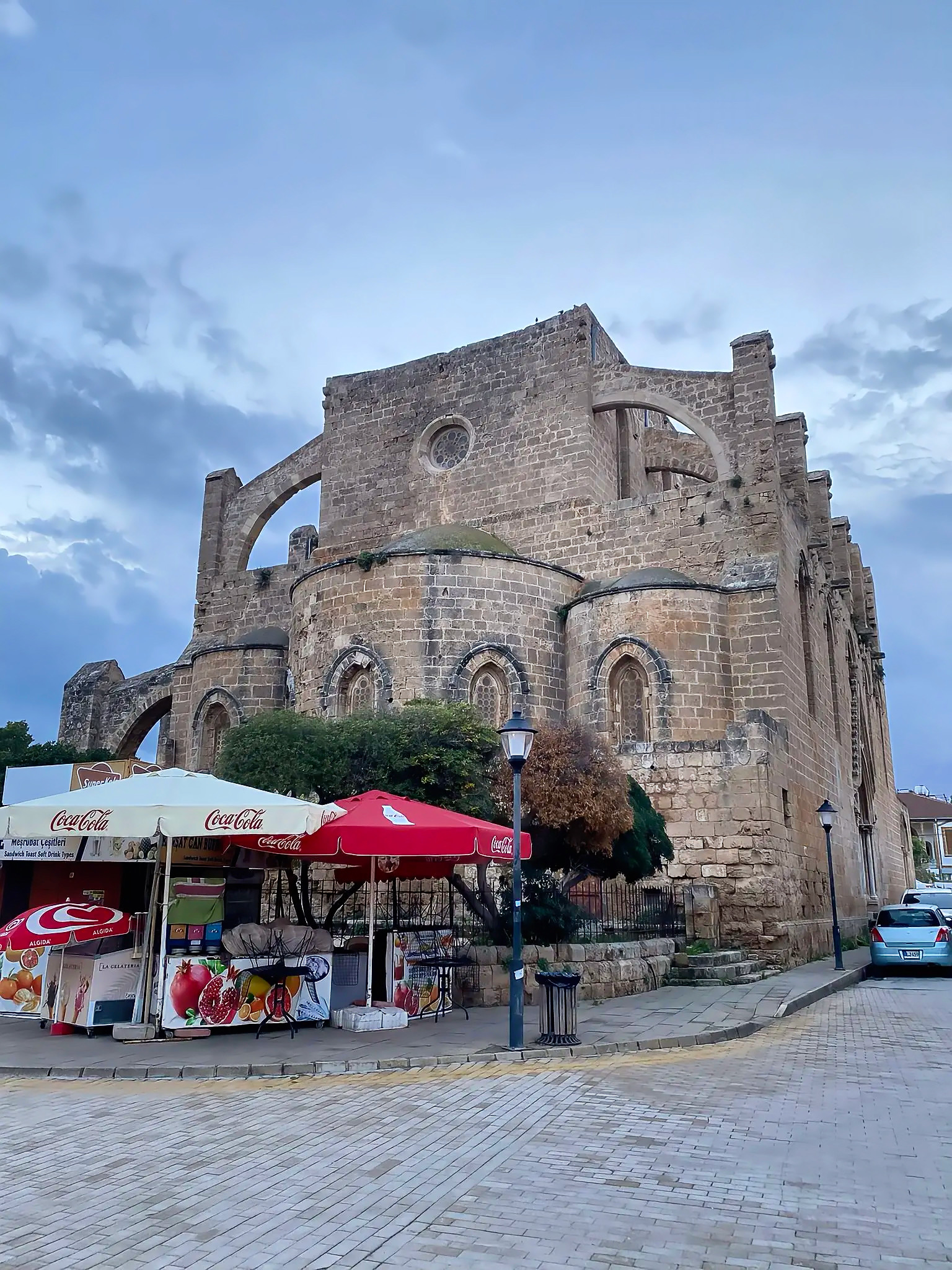
Built in 1358 by a Syrian merchant as twin churches in memory of St Peter and St Paul, it was converted into a mosque after the Ottoman conquest and named for the important vizier Sinan Pasha. Much of the original structure survives. Because it was used as a grain store in the British period, it is also known as the Wheat Mosque. Another historic building of great importance for Famagusta. Map location 14.
5. St Francis Church
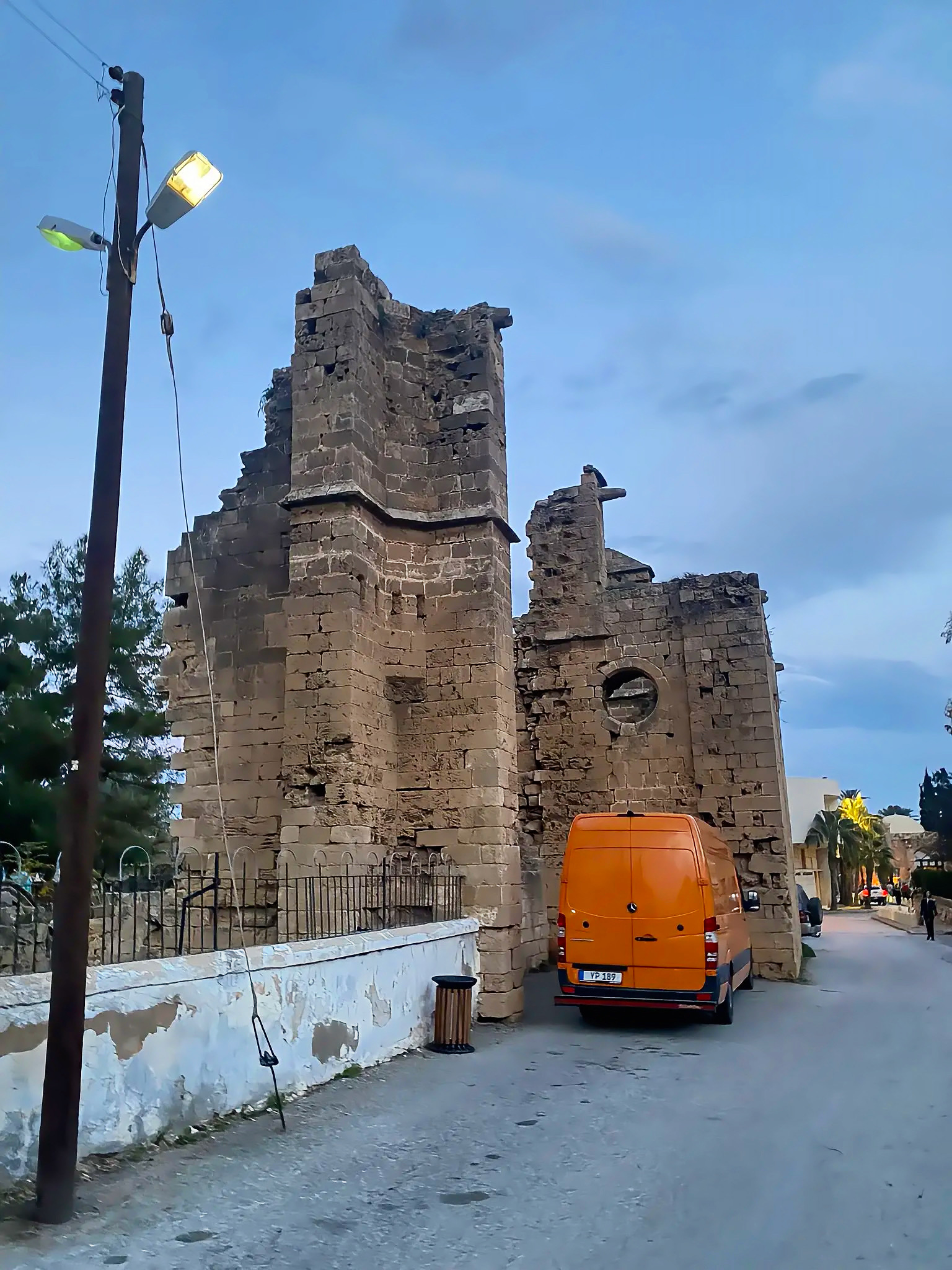
Sadly another ruin, overgrown and on the verge of collapse. Alone it is hard to understand what it was. Built in the 13th century by members of the Franciscan order, with monastery complexes around it, it has become painfully dilapidated. Map location 15.
6. Twin Churches
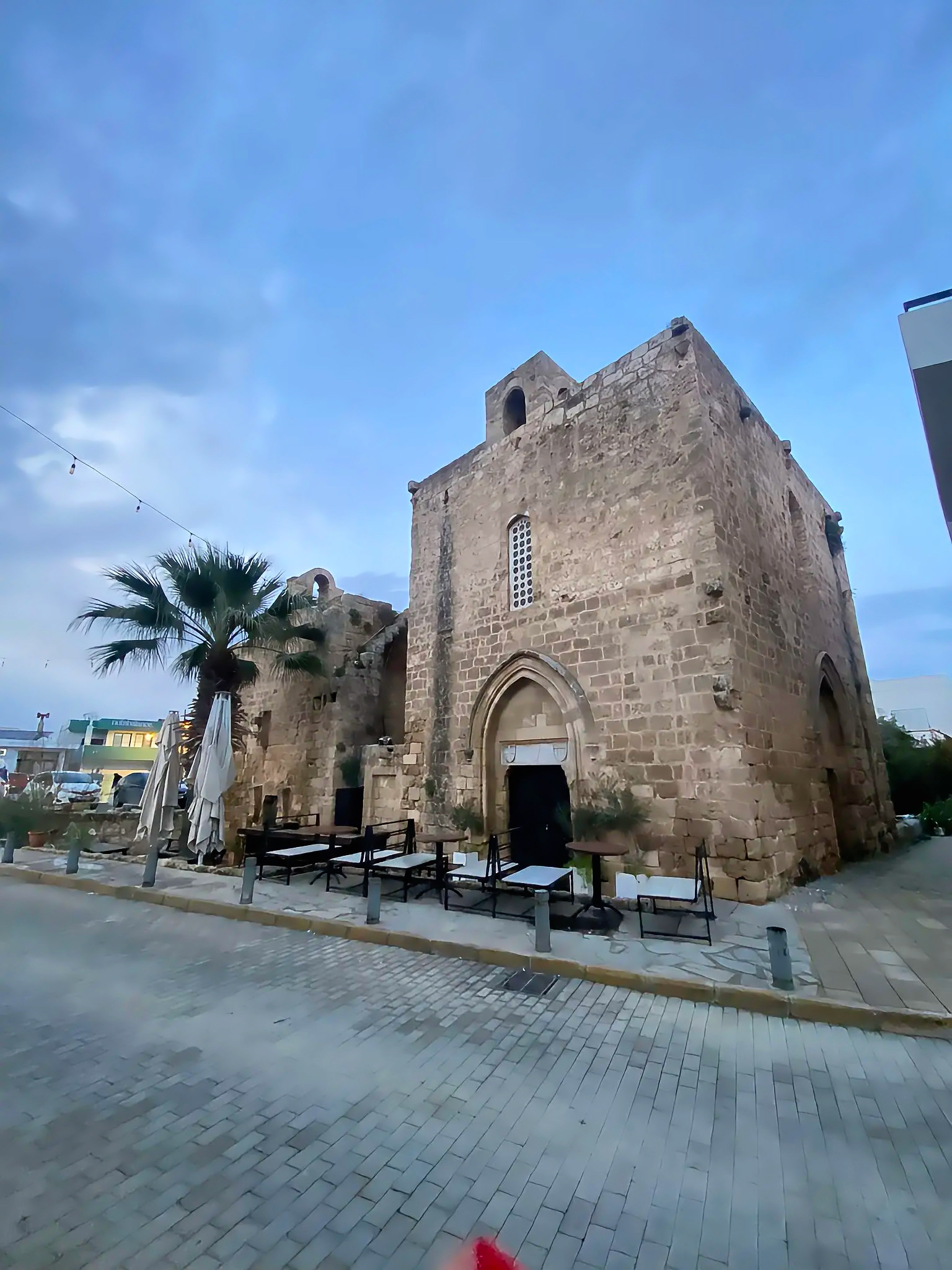
The Twin Churches of Famagusta carry traces of Crusader orders that arrived in the 14th century. Of the two churches built side by side, one belonged to the Templars and the other to the Hospitallers. Elegant examples of Gothic architecture, they show both the religious rivalry of the period and how important Famagusta was as a medieval trade and cultural center. As far as we could tell, they are currently used as a café. Map location 16.
7. Varosha (Kapalı Maraş)
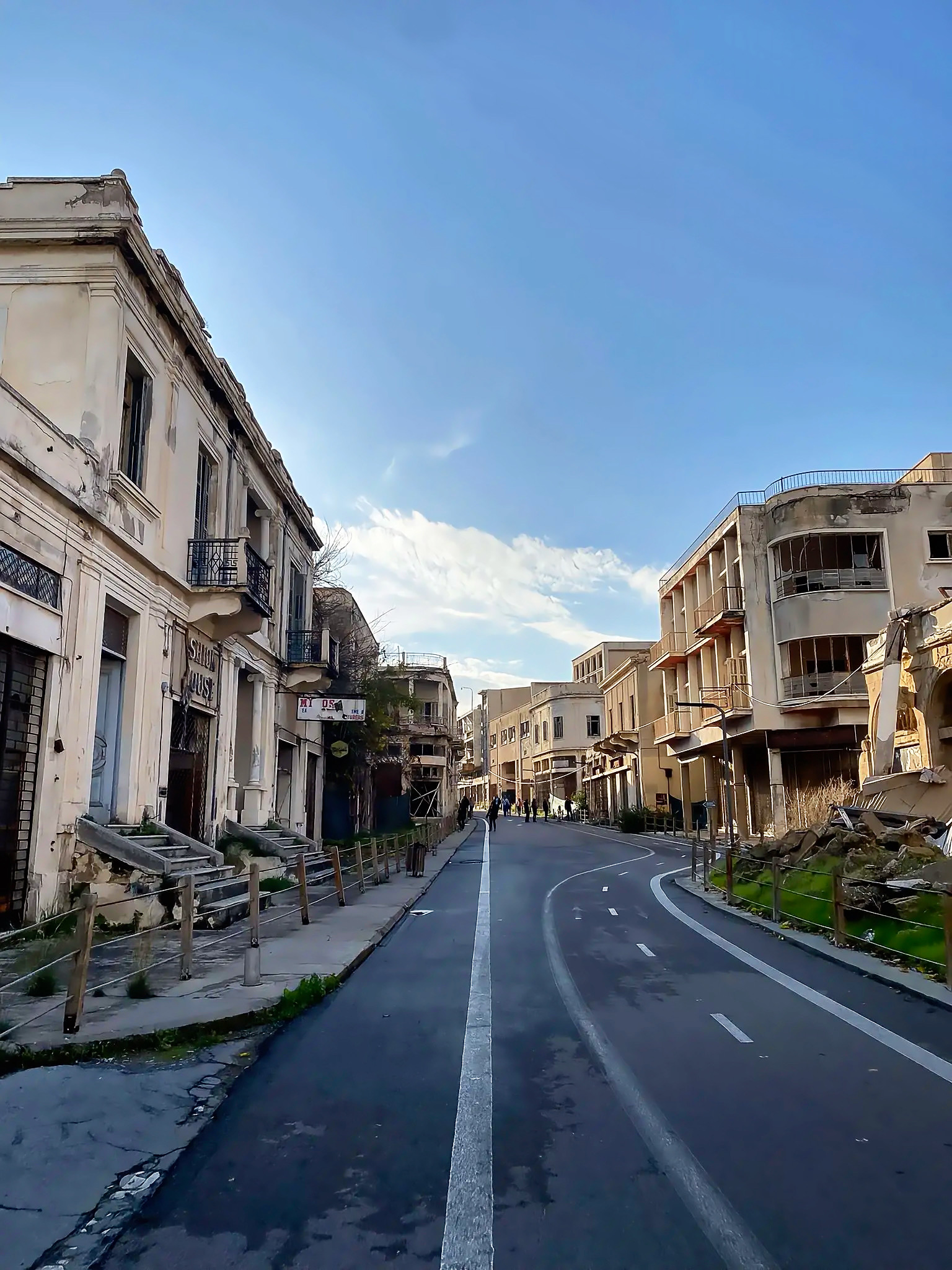
Varosha is probably one of the strangest, most unique places on earth — a site that has caused international crises. Articles and countless pieces have been written about why it cannot simply be shared, and you understand better once you go. There is much to say, but in the shortest, plainest form: why Varosha is closed.
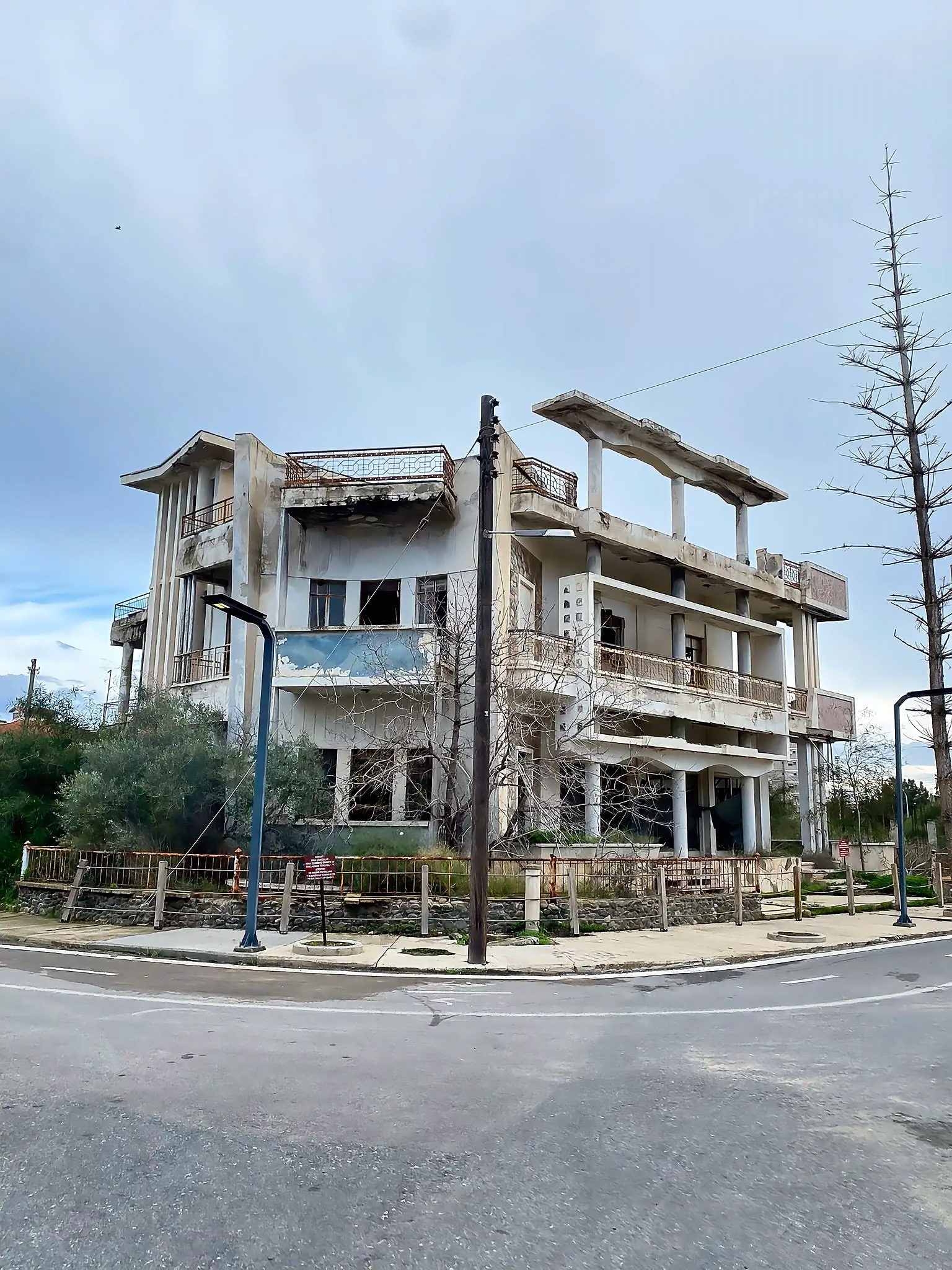
Before 1974, Maraş — also known as Varosha — was mainly a Greek Cypriot holiday and tourism hub. With long golden beaches, entertainment, shopping, and the best hotels of its day, it was called the Las Vegas of the Mediterranean. Hollywood stars and artists even had homes there — until 13 August 1974. During the Cyprus operation, the Turkish Armed Forces bombed Maraş and the Greek population fled south. It was such a flight that meals were left half-eaten on tables, shops stayed open, doors and windows of homes were left ajar… Declared a military restricted zone afterward, Maraş later saw redevelopment in northern areas outside the banned section. For many years under TRNC Security Forces Command, inside closed Varosha you can see both Cypriot soldiers and police and UN troops.
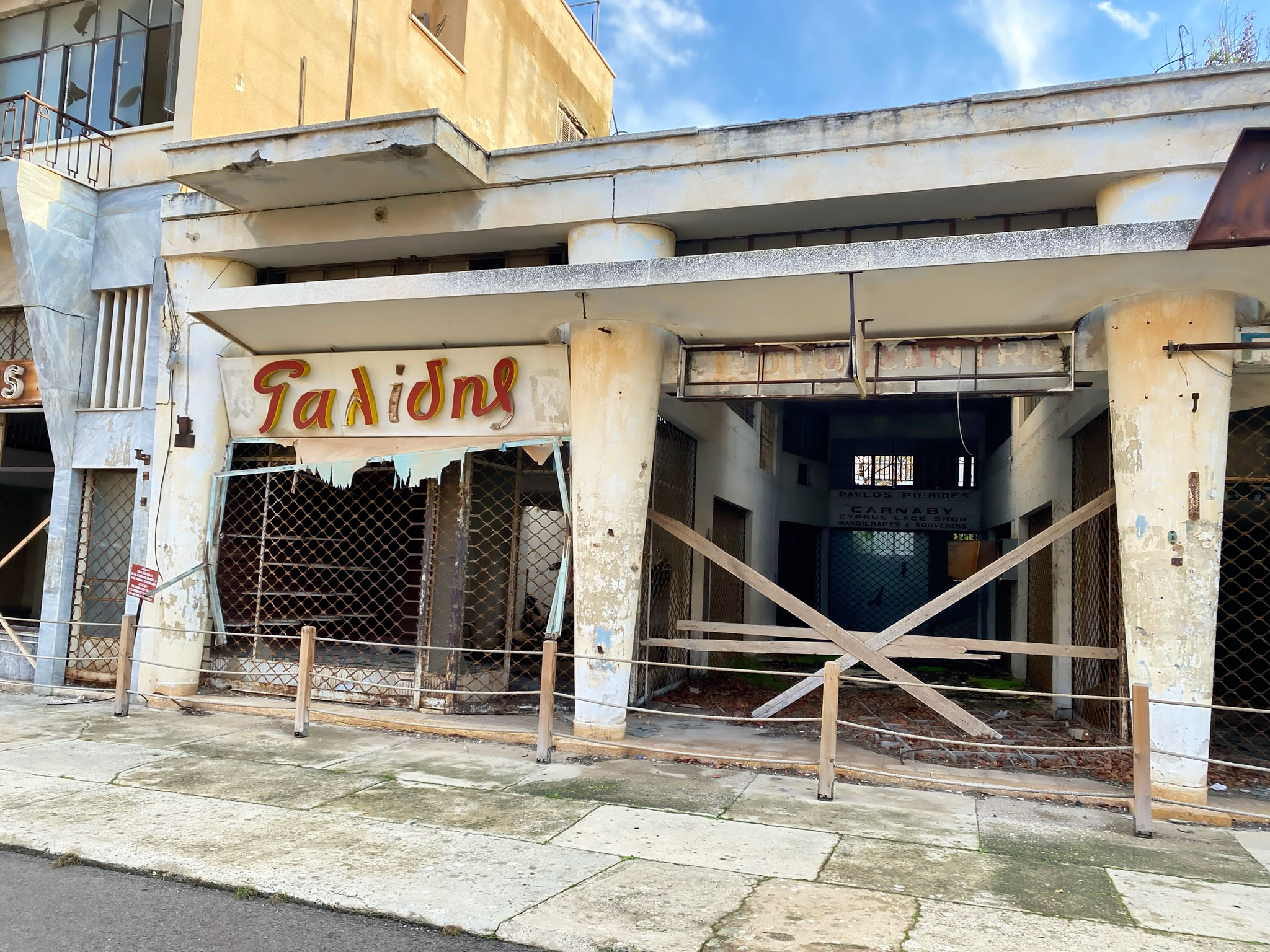
Years later, on 8 October 2020, through Turkish and TRNC initiatives, a 1.5 km section of Varosha was opened to tourism. Bicycles and similar vehicles were added to boost tourist appeal. Though there has been some looting inside, seeing the buildings and city in their ghost state is, I think, one of the most unusual experiences you can have.
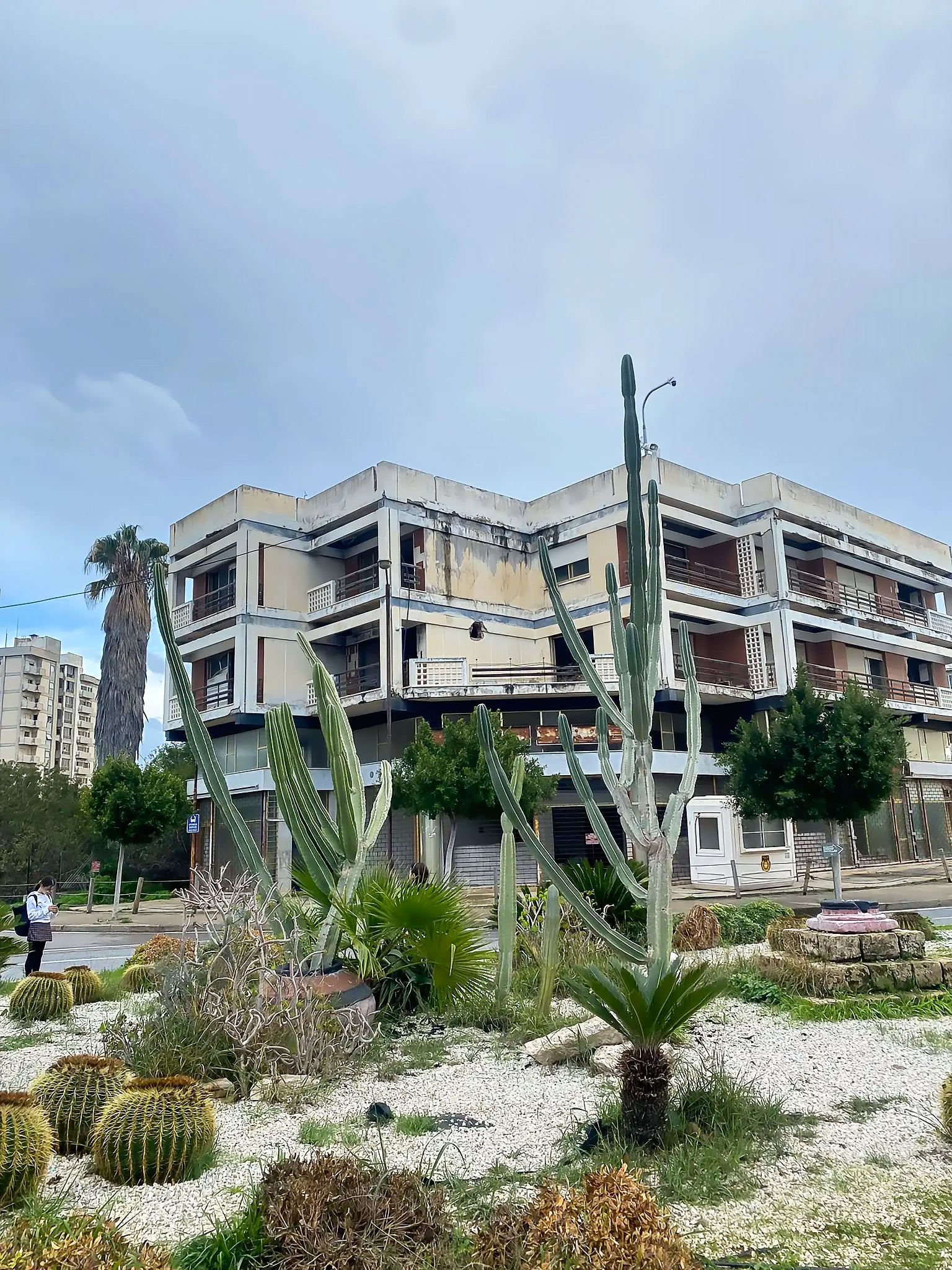
There is nowhere inside to buy food or drink. There is a café at the entrance. Police guide you inside. There are also UN offices. Photography is forbidden only at those points — you are watched and warned immediately.
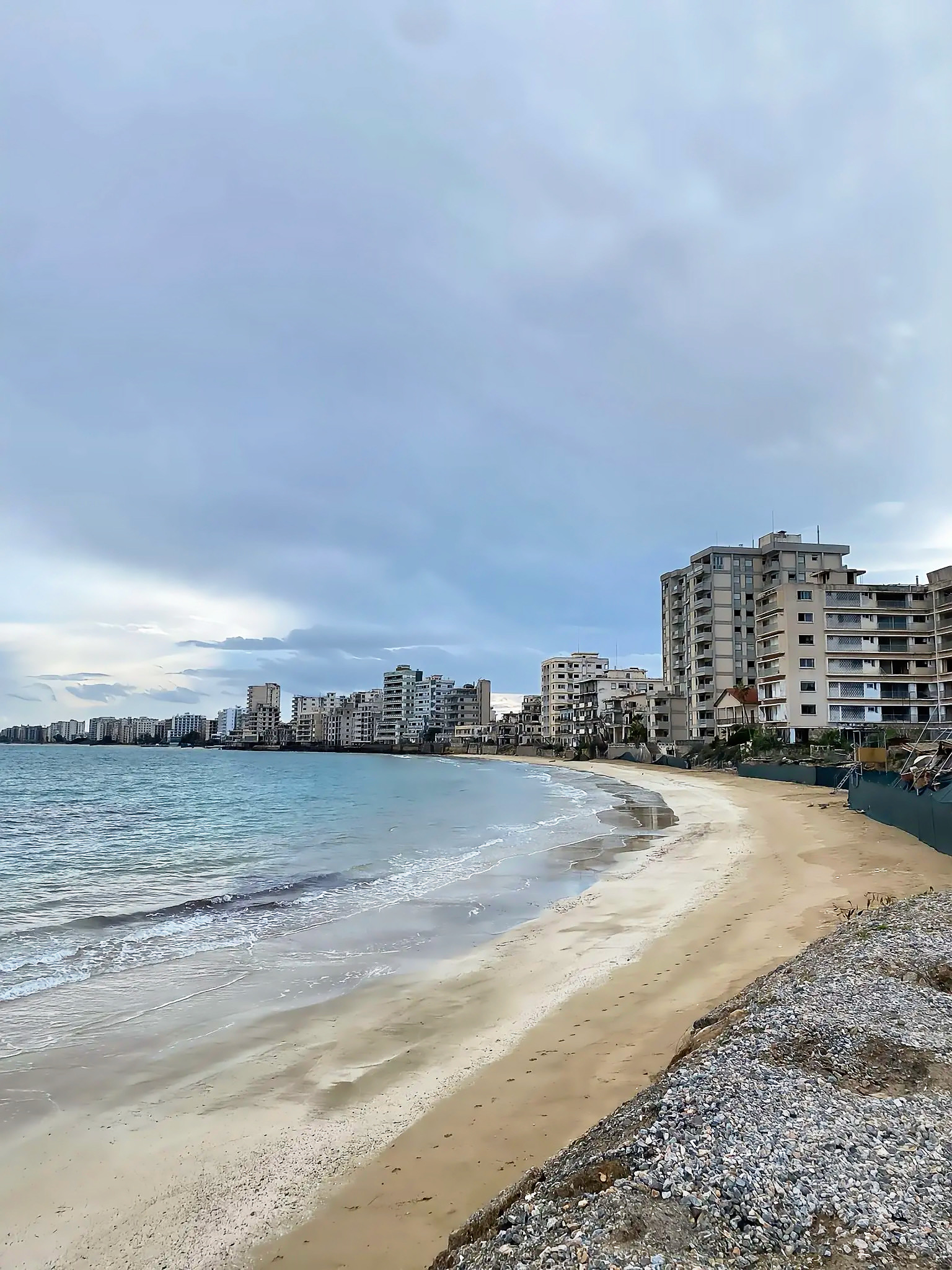
Property claims by Greek families who lived there before the closure, and by owners of assets there, remain ongoing legal issues. Children and grandchildren of some families try to assert rights over hotels and property. Other debates continue as well. You will see signs while walking: under Ottoman rule these lands and nearby plots were transferred to Evkaf — Ottoman foundations — and in 1878 leased to the British. After paying rent for years, Britain annexed the island in 1914, seized these foundation lands unlawfully, and sold them to Greek Cypriots. The rights struggle continues even though Britain has acknowledged the situation. Archival documents have been put on bilingual English and Turkish panels.
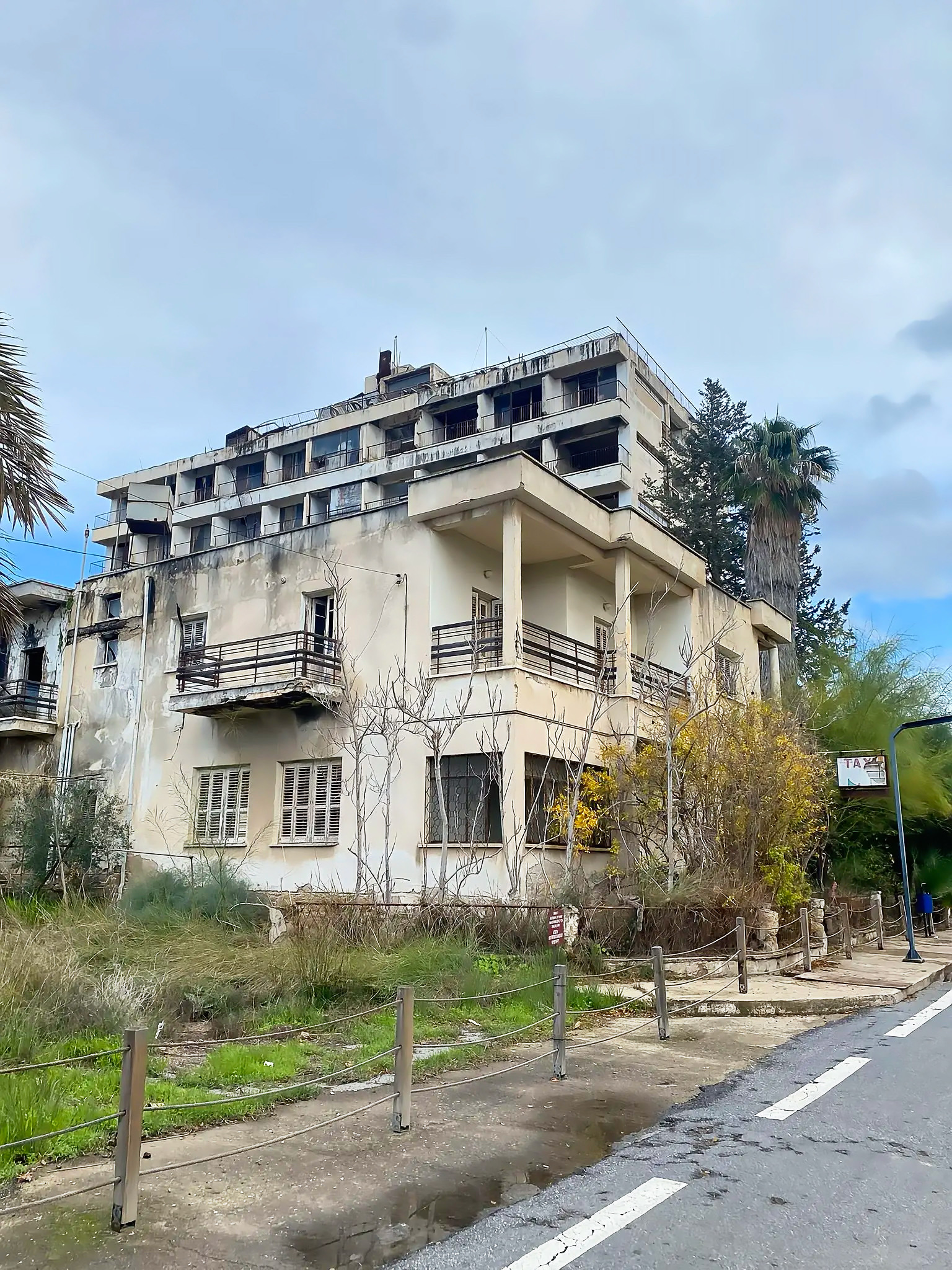
Reopening Varosha fully is estimated to cost about $10 billion. There have been attempts over time — best known is the Annan Plan, named after former UN Secretary-General Kofi Annan. It foresaw a United Cyprus Republic with Turks and Greek Cypriots sharing governance under set rules and timescales, including opening Varosha. In the referendum, about 65% of Turkish votes accepted it while about 75% of Greek votes rejected it. Later proposals to open Varosha were again mostly rejected by Greek votes. It is not hard to see the economic potential that reopening could restore to the island and its tourism. Beach, sea, climate, geography, and cultural heritage remain underused. For all Cypriots going through hard economic times, it would clearly be a major source of income.
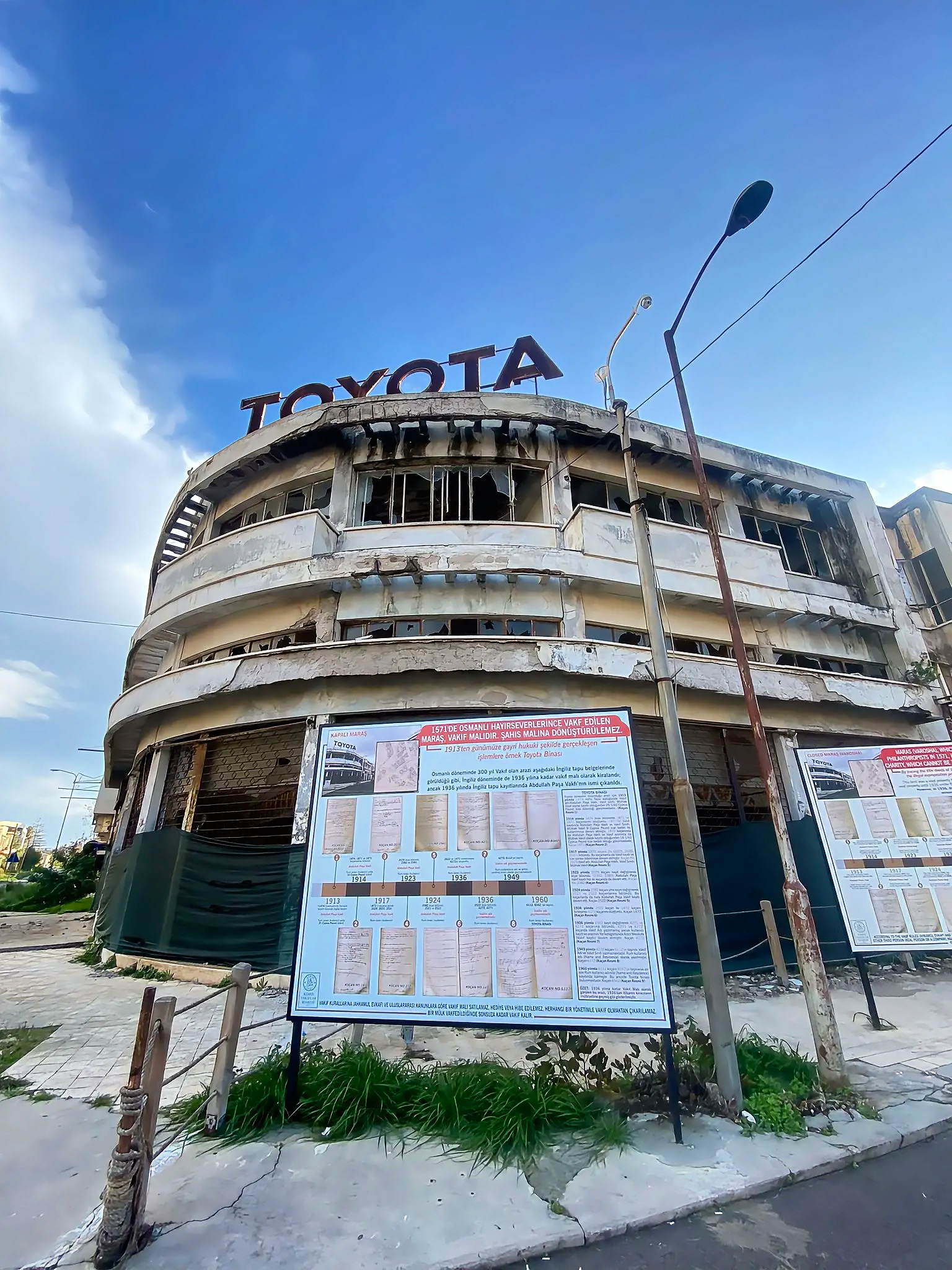
There is no entry fee for Varosha. It can be visited between 08:00 and 20:00. If you come in summer, bring water and a hat.
You can also use the beaches in this area free of charge. Map location 17.
Kyrenia
1. Kyrenia Castle
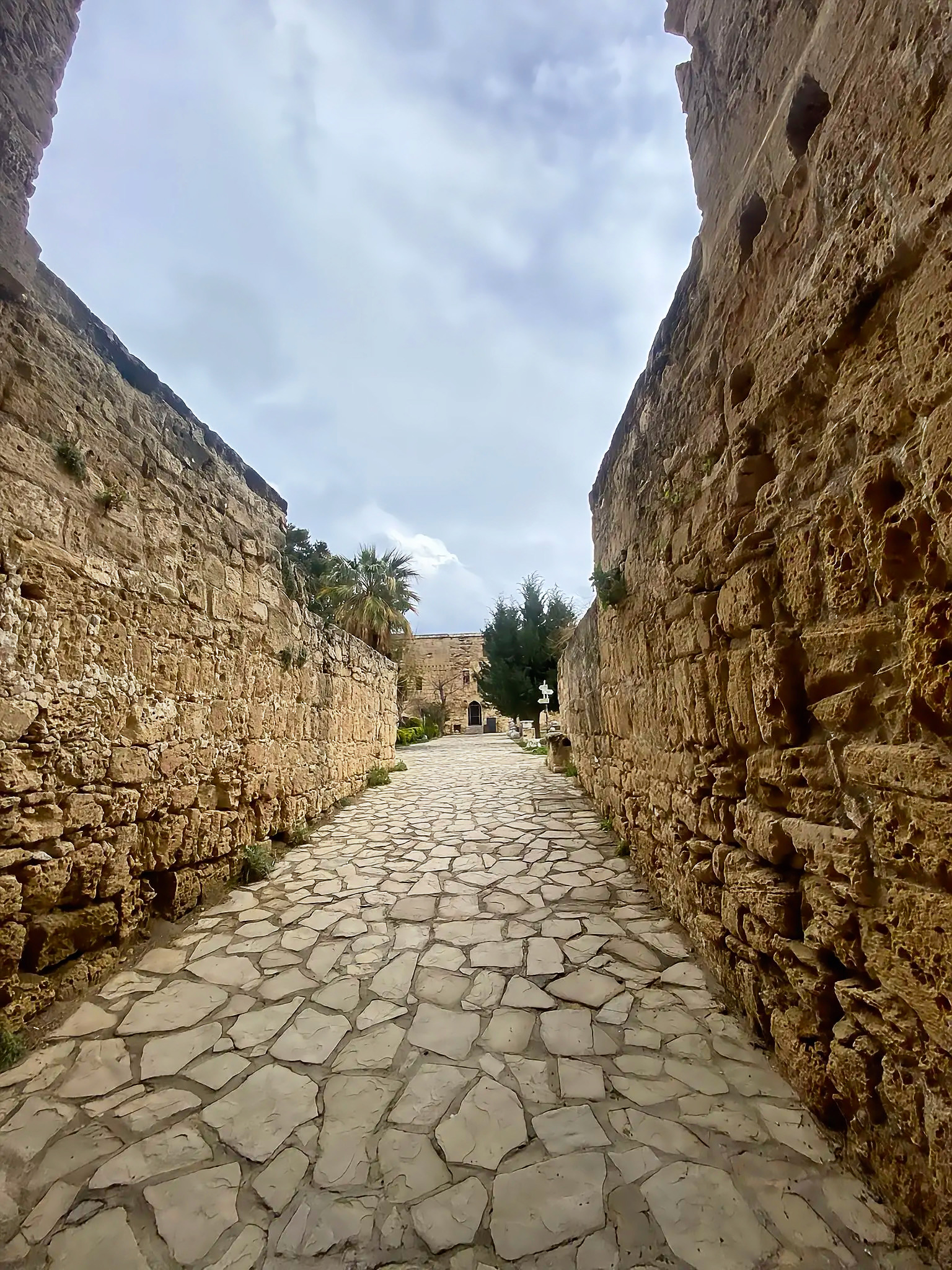
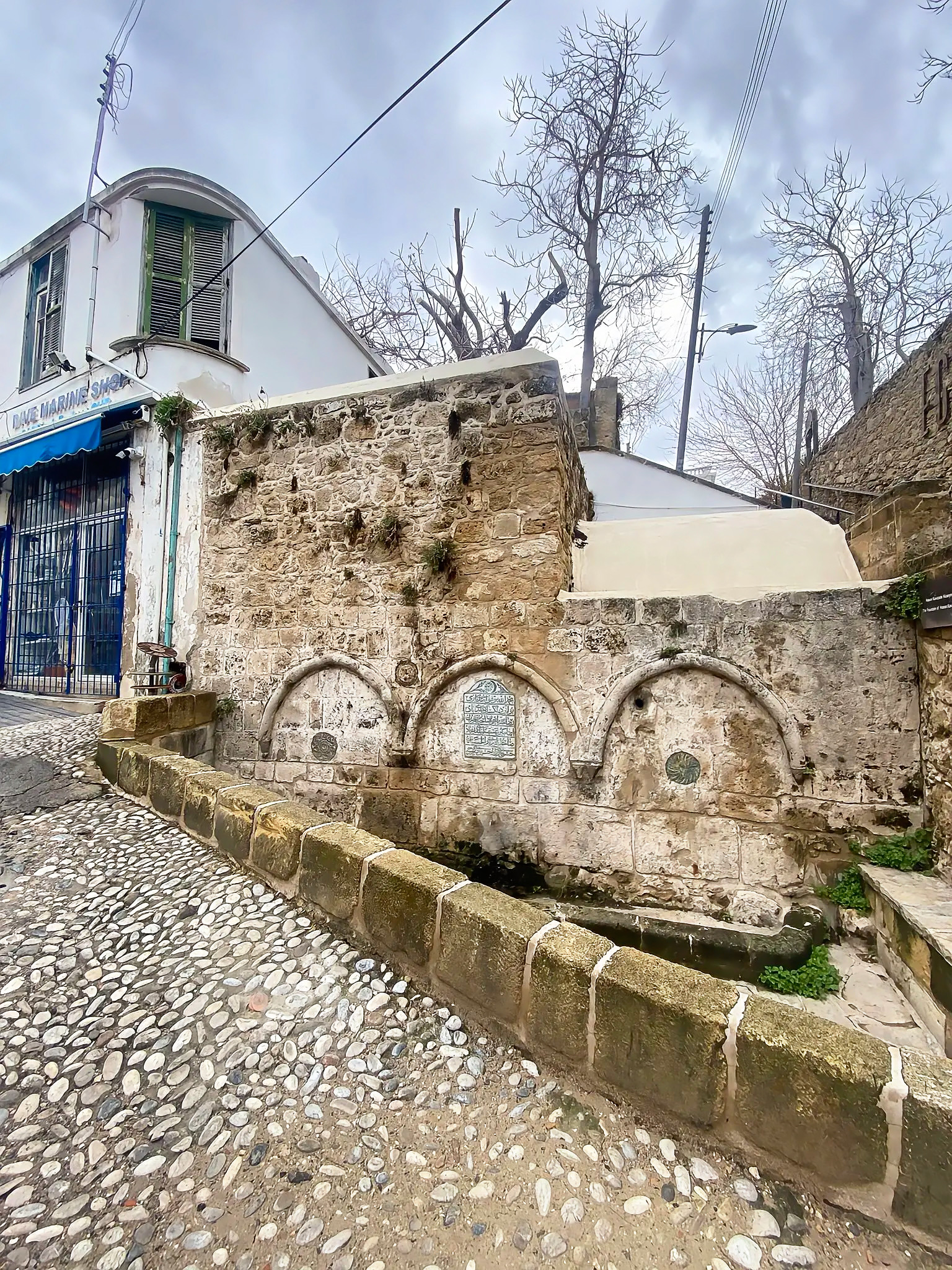
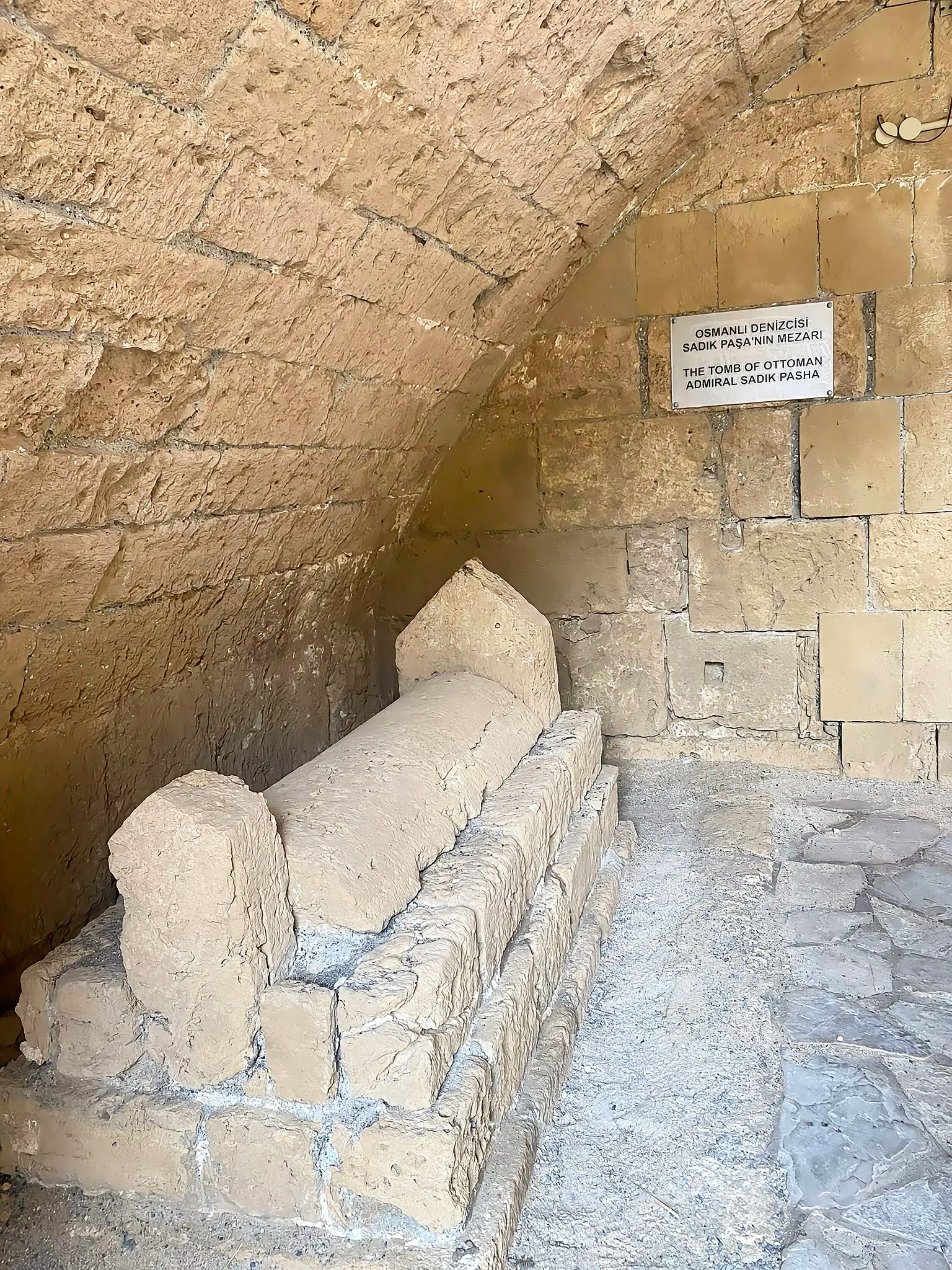
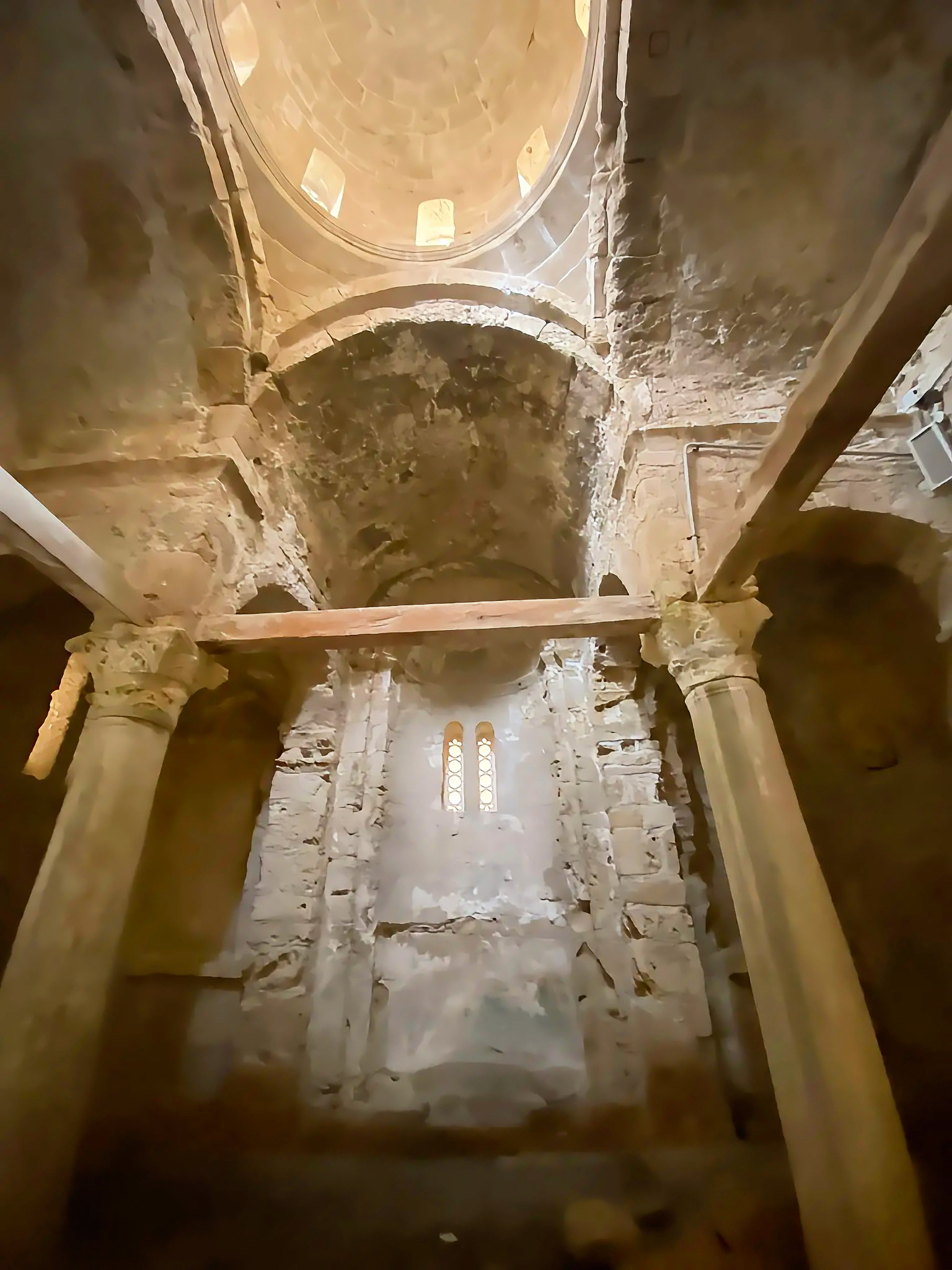
Built by the Byzantines in the 7th century CE. Inside there are a church, a tomb, and two museums. The Shipwreck Museum displays finds from an ancient wreck near Cyprus. The tomb of Cezayirli Sadık Pasha, martyred during the Ottoman conquest of Cyprus, is also inside the castle. You can climb to the top, but note there are no railings. There is also no proper walkway at the top — you walk unsafely between stones. It is a perfect viewpoint for the Beşparmak Mountains, Kyrenia city views, and the sea. Map location 18.
2. Kyrenia Yacht Harbour
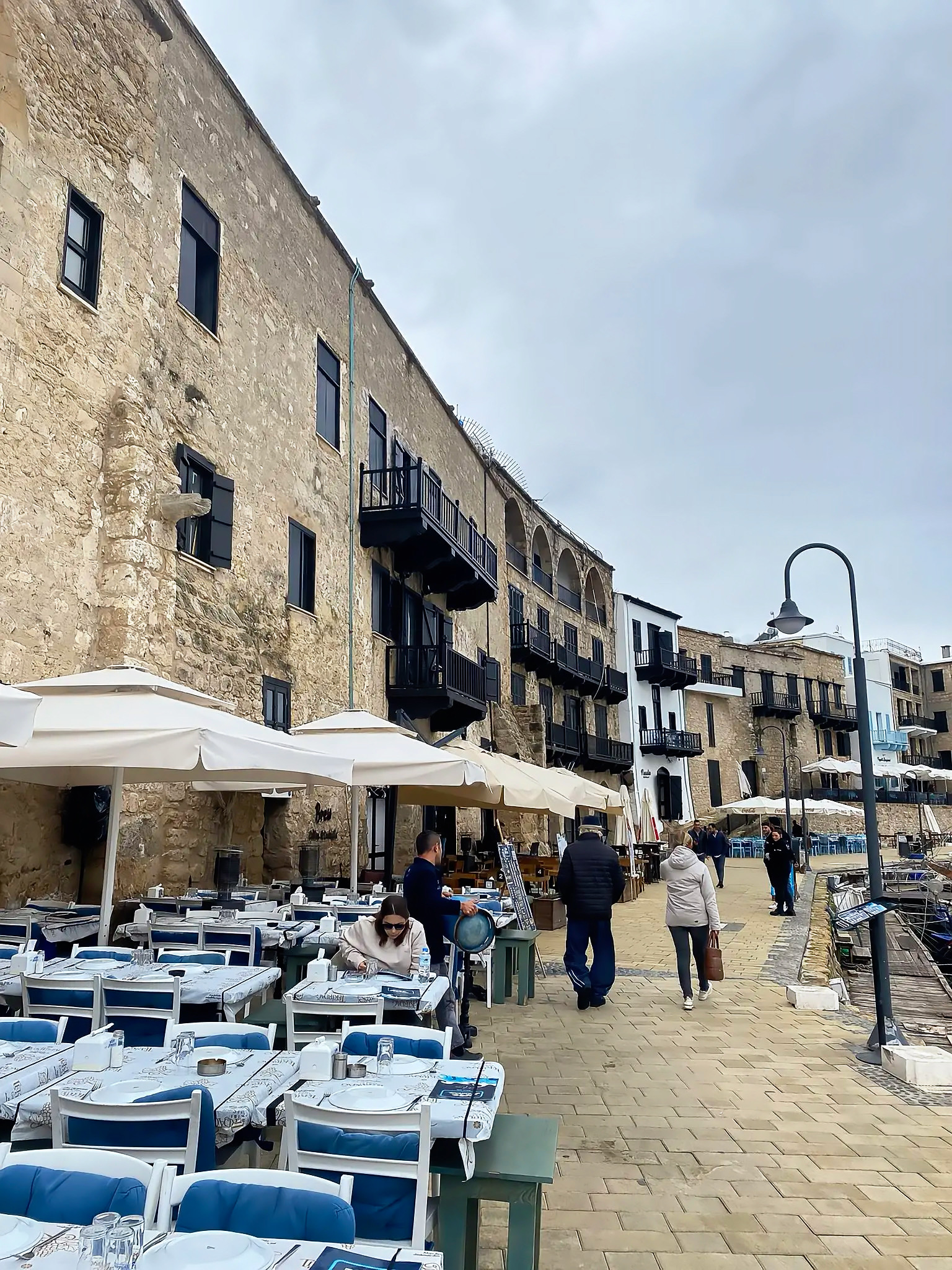
This historic harbour is one of the most enjoyable places to wander in Kyrenia. Restaurants, cafés, bars, and souvenir shops sit right beside the castle. Parking is hard to find in season — better to park before entering the harbour area. Map location 19.
3. Shipwreck Museum
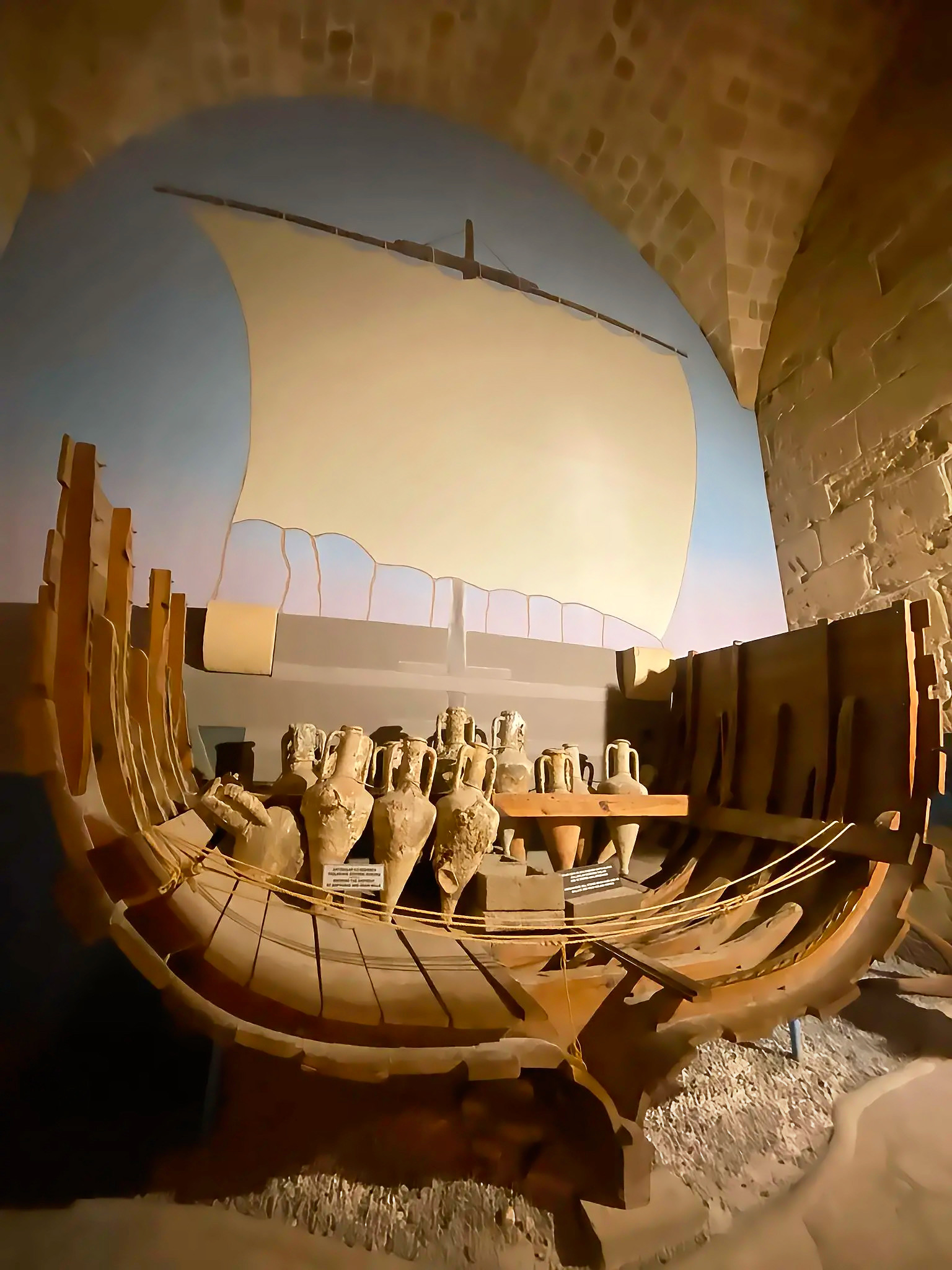
A museum displaying an ancient wreck thought to have sunk around 300 BCE and the finds recovered from it. It is inside Kyrenia Castle. If you have come to the castle, it is definitely worth visiting. The original wreck was raised in 1967 and exhibited here. The ship is thought to have traded between the Dodecanese and Syria and to have been between about 70 and 300 years old. Cargo included wine, olives, almonds, and other foodstuffs. Some finds are on display, including Rhodes-type wine amphorae. It may have sunk after a pirate attack or after hitting underwater rocks in shallow water. Map location 20.
4. Karaoğlanoğlu Martyrs’ Memorial
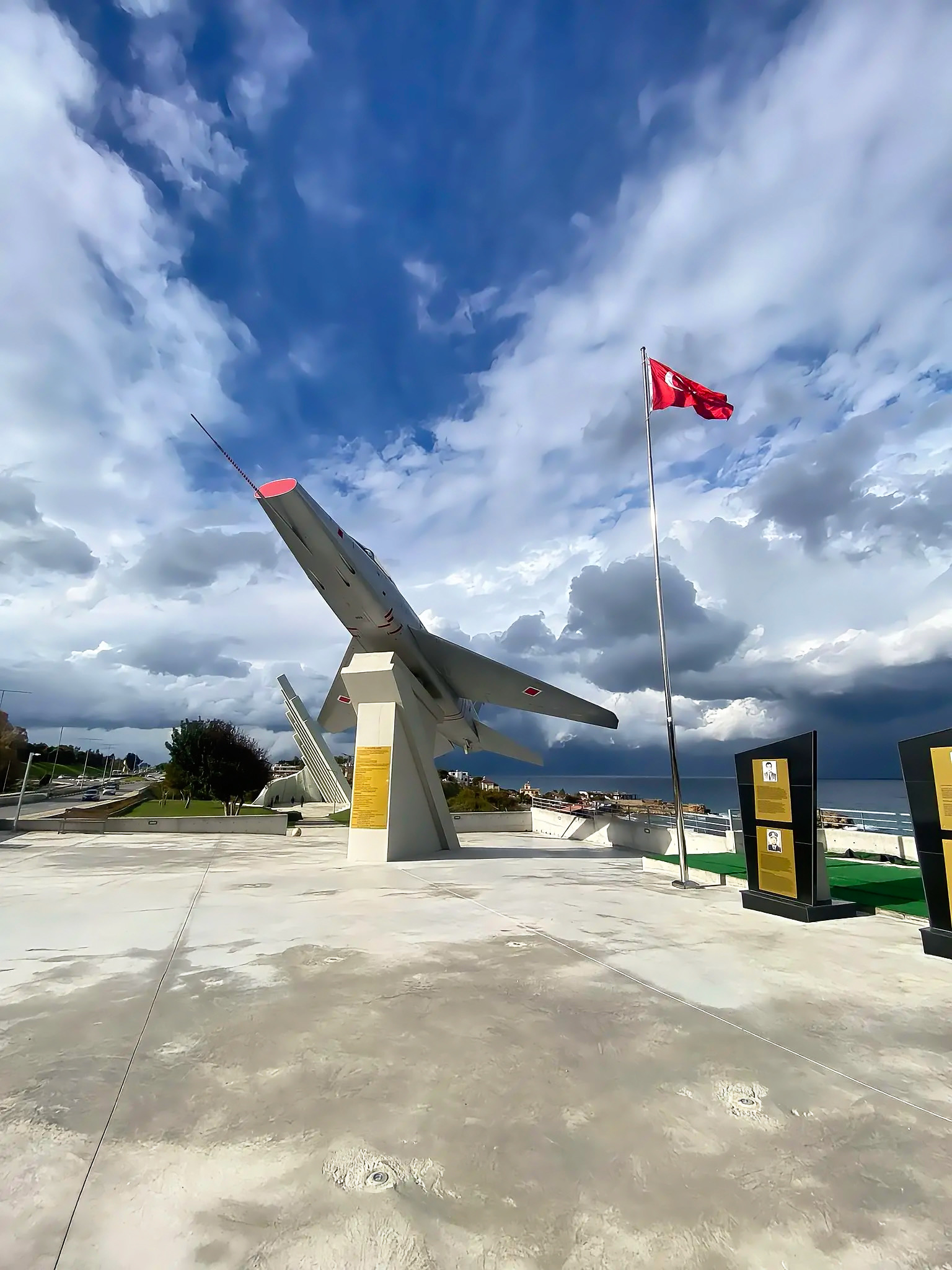
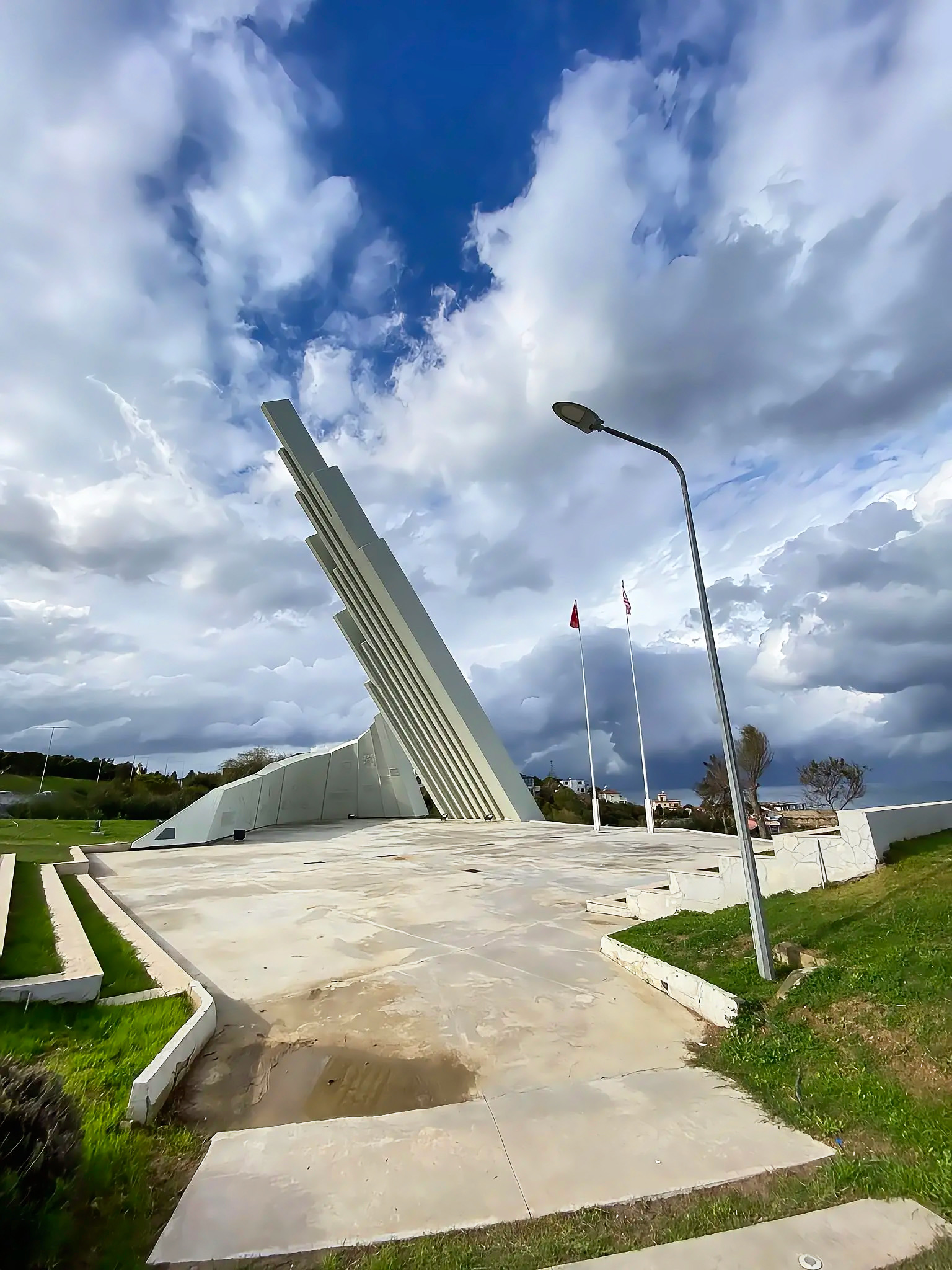
If you have come as far as Kyrenia, do not leave without visiting the memorial and understanding this proud history. About a 15-minute drive from Kyrenia, it is named for Colonel İbrahim Karaoğlanoğlu, martyred in the first minutes of the landing. Map location 21.
5. Ç1974 Ship Museum
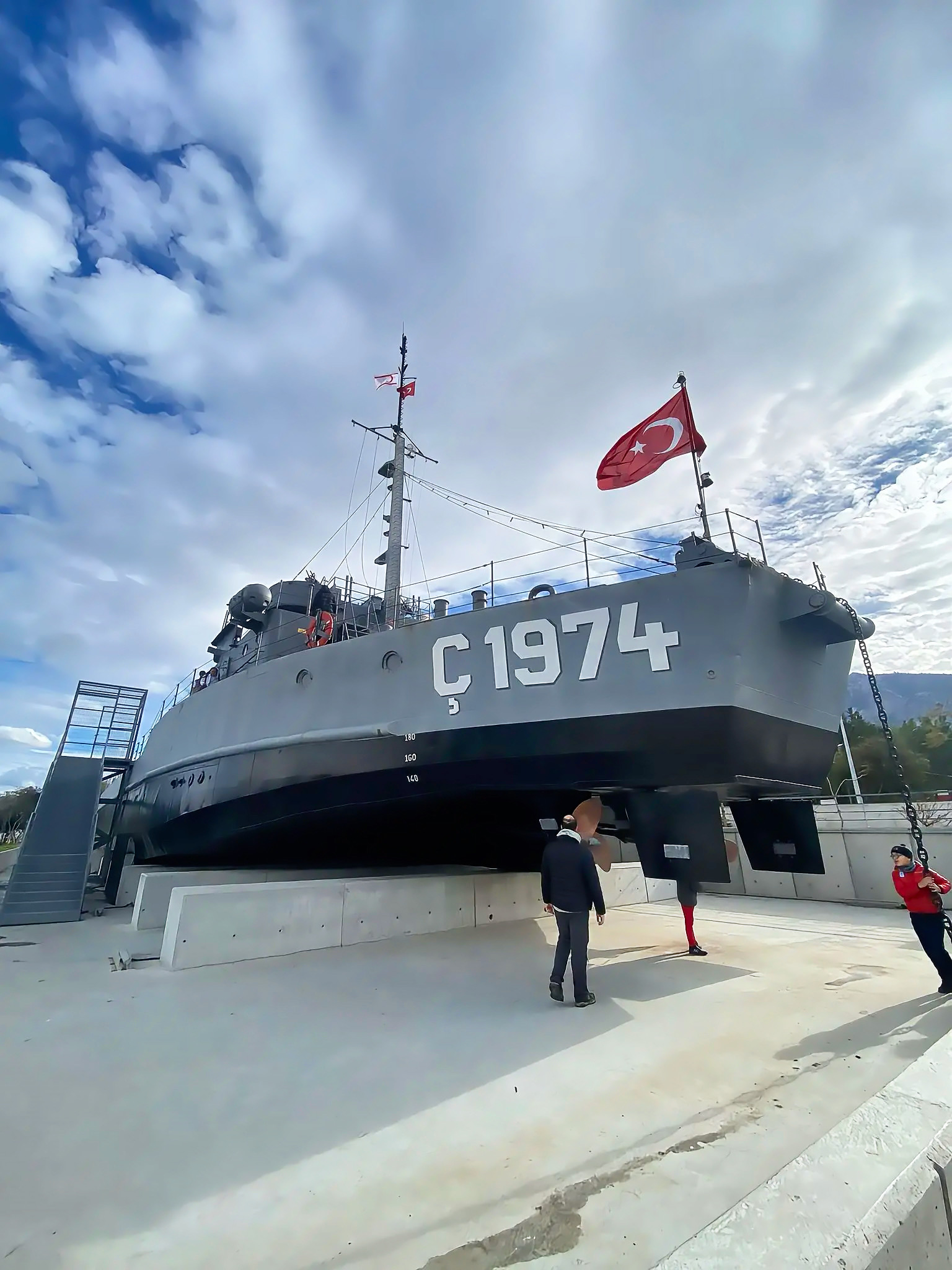
The 1974 ship was sunk by Greek Cypriot forces during the Cyprus Peace Operation. Later raised and turned into a monument, it is now a museum with documents and information about the operation — important for understanding the campaign better. Entry is free, with parking next door. Map location 22.
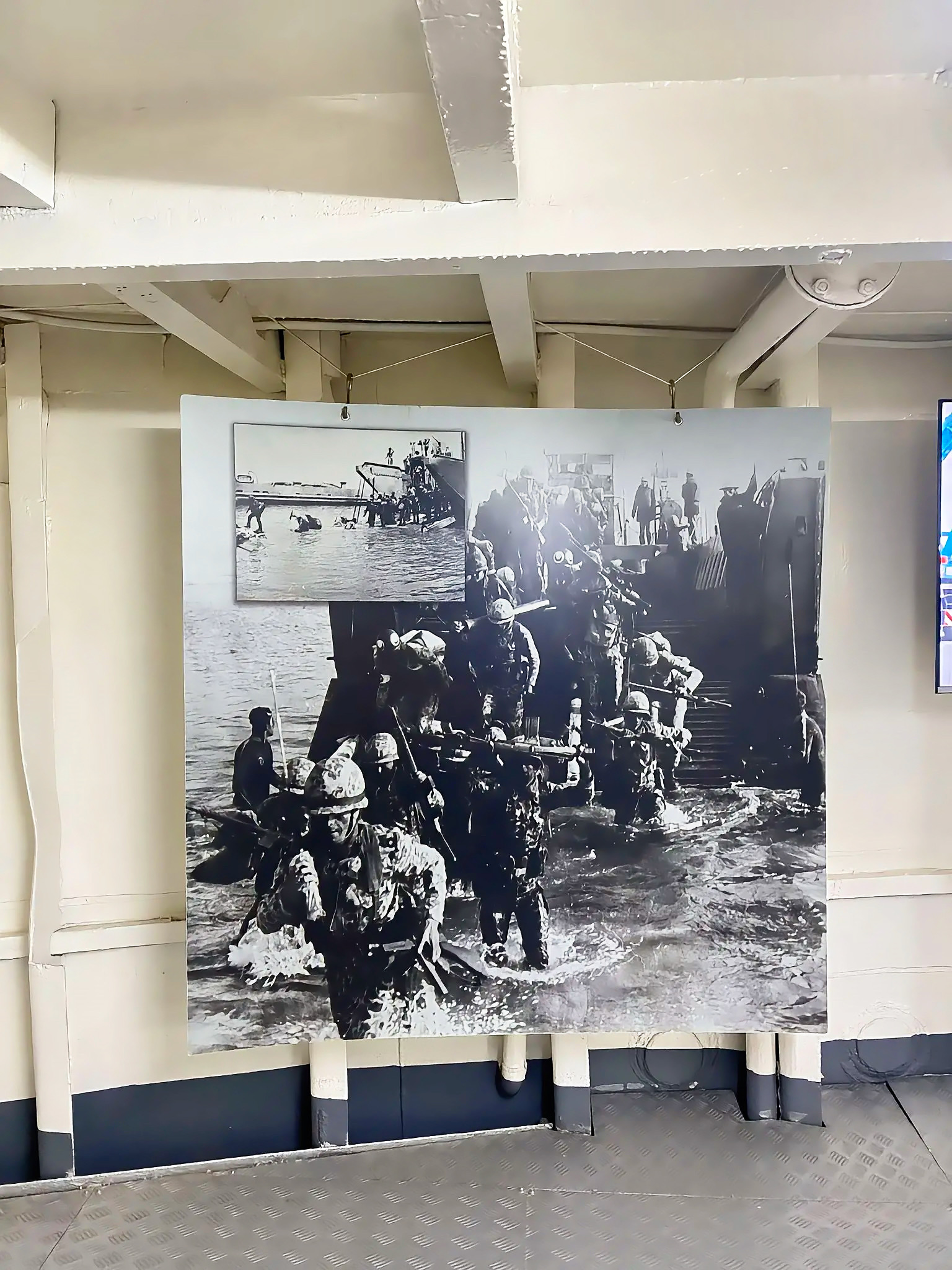
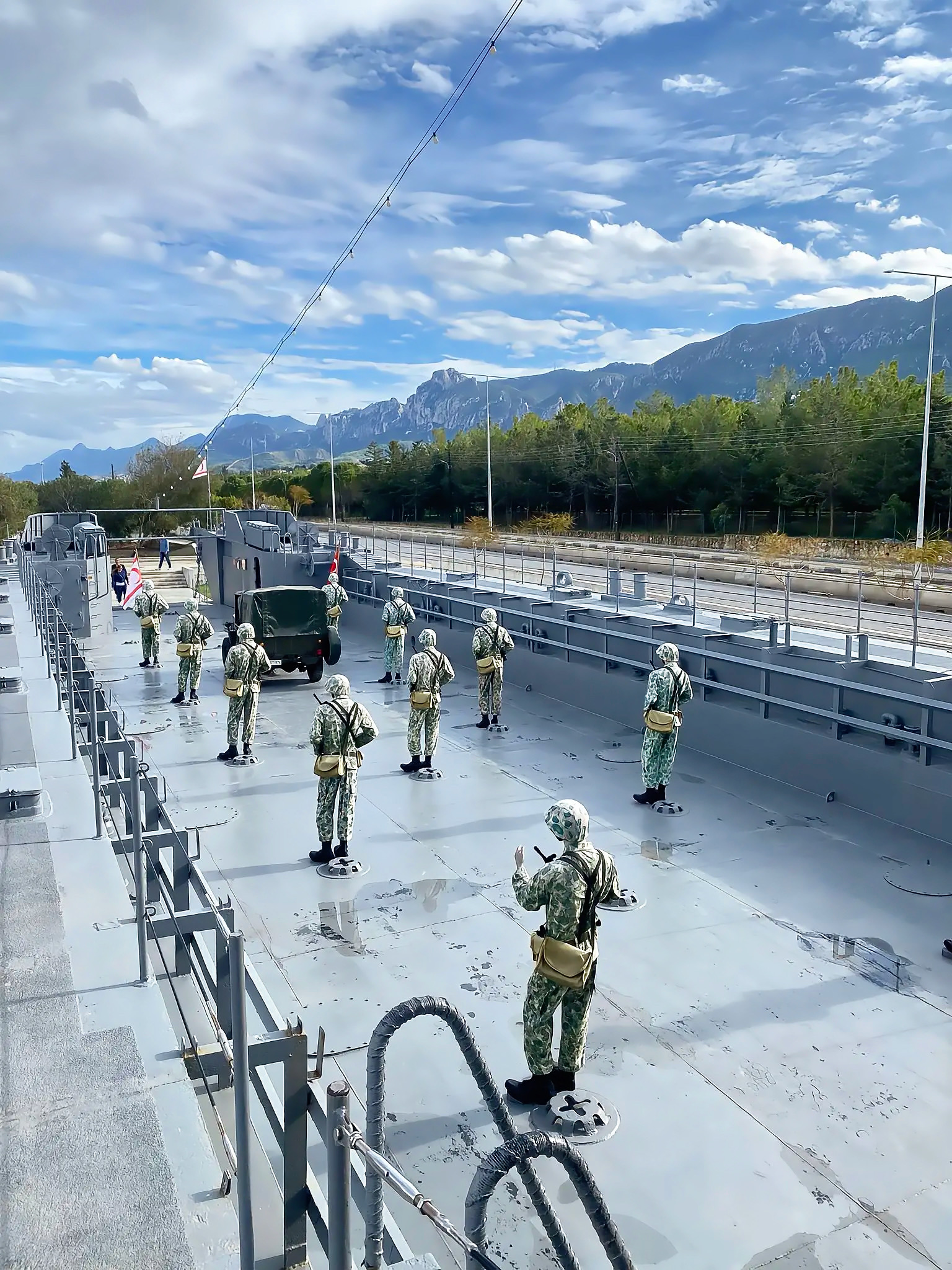
6. Landing Beach
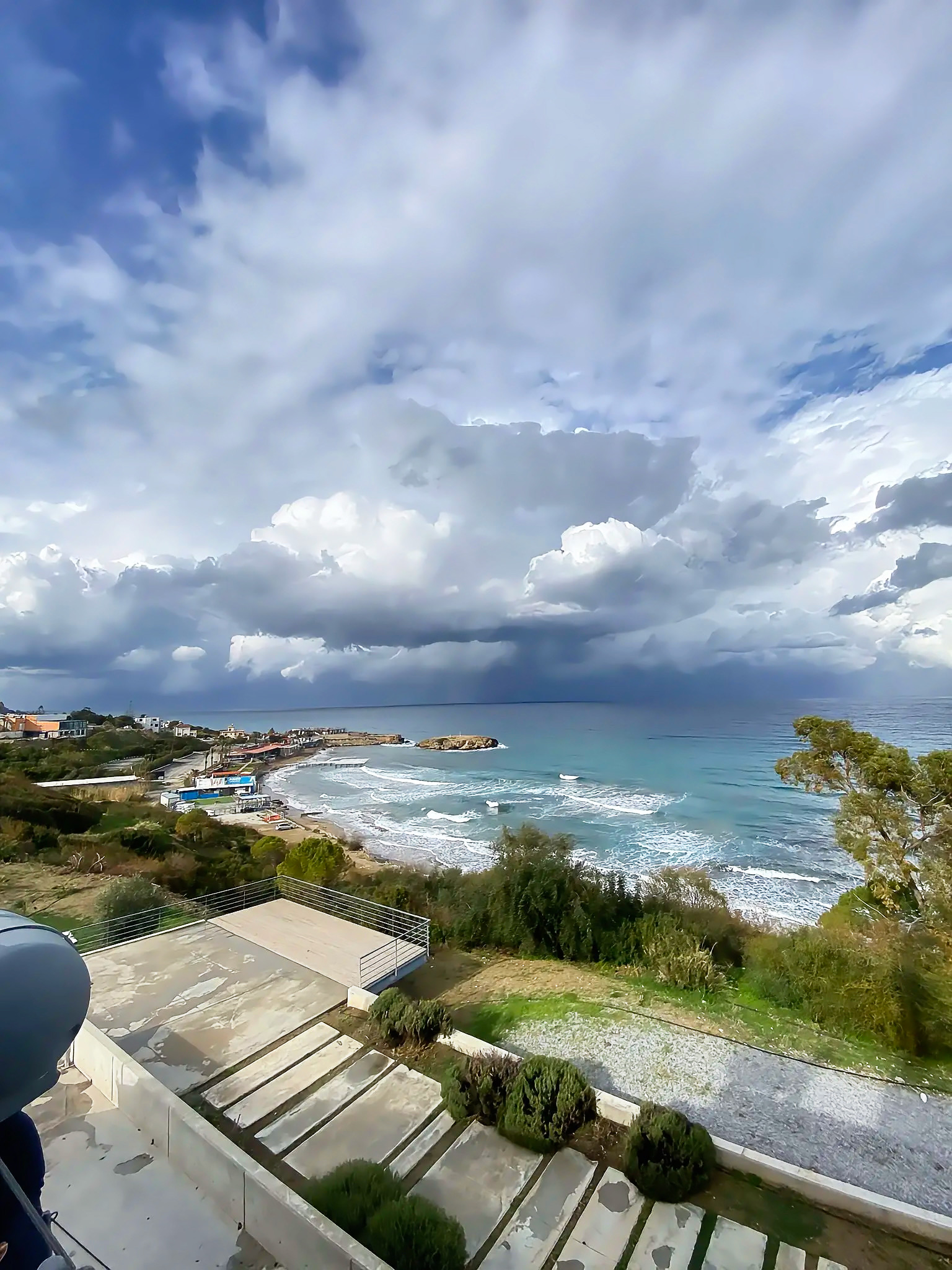
The museum, memorial, and landing beach are within walking distance of each other. Sea landings during the military operation began exactly here. Today there is a small beach where you can swim and sunbathe. Map location 23.
Cyprus Food Guide
Of course Cyprus brings to mind halloumi, Cyprus dessert, and şeftali kebab. You can try these in many places. Nicosia especially has many options. Kyrenia leans more toward hotel restaurants for holidaymakers. With so many all-inclusives, I do not have many restaurant tips there. Famagusta also has relatively few restaurants and cafés.
Still, let’s start with places we went and liked.
Nicosia
1. Hamur
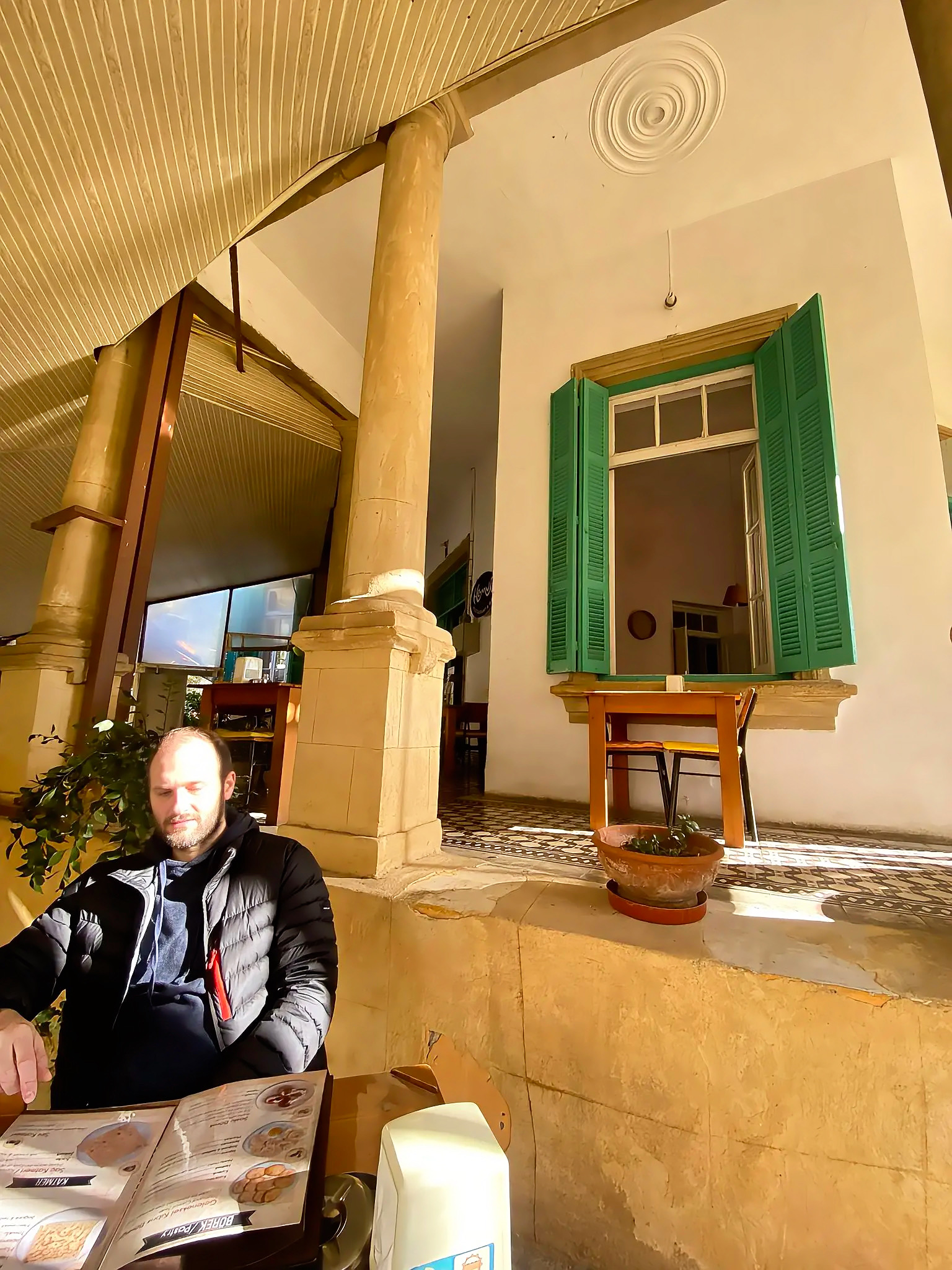
Especially for pastry lovers: börek, piruhi, and gözleme-style items. We tried the piruhi — like a cheese-heavy mantı. I thought it was good. There are also local items like Cyprus börek. Inside a historic building with a small garden, the place is charming and nicely decorated. Map location 1.
2. Efkar Meyhanesi
Meyhane culture is very common in Nicosia. Service differs from what we are used to: after starters and hot mezes, hot dishes arrive one by one — chicken, beef, lamb, seafood, each grilled and placed on your plate. You can order more if you wish. The nice part is you do not eat everything at once; you fill up gradually. Dessert and fruit finish the meal. Alcohol prices are quite reasonable compared with Turkey. Map location 2.
3. El Sabor Latino
Good both for hanging out and for eating. As the name suggests, Spanish food and drinks. Whether the flavors fully reflect Spanish cuisine is debatable, but the balance of place and food is fine in my view. Map location 3.
4. Ahmet Kanan Dairy Products
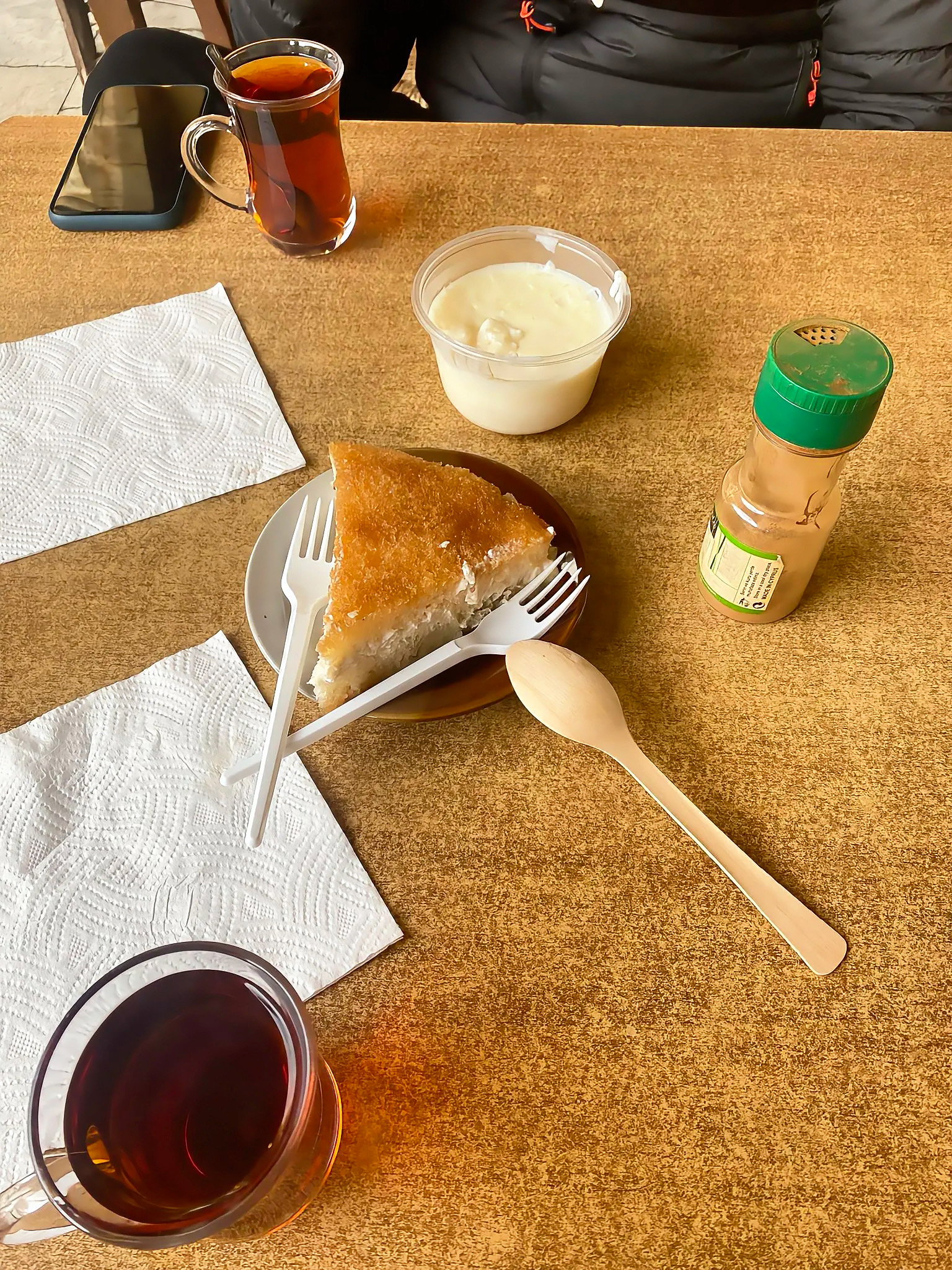
Inside Büyük Han, perfect for resting with tea and dessert. The rice pudding is lightly sweet, homemade-tasting. Likewise the ekmek kadayıfı with nor cream (a cheese made from whey in the Cyprus region) and its sugar level are not cloying like the very sweet versions we are used to.
5. Özerlat Coffee
A sweet little café in the bazaar with a 1970s-feeling façade. Coffee, tea, drinks, and desserts inside — and packaged tea and coffee if you like. A good pause while sightseeing. Map location 4.
6. Asmaaltı Bereket Bakery
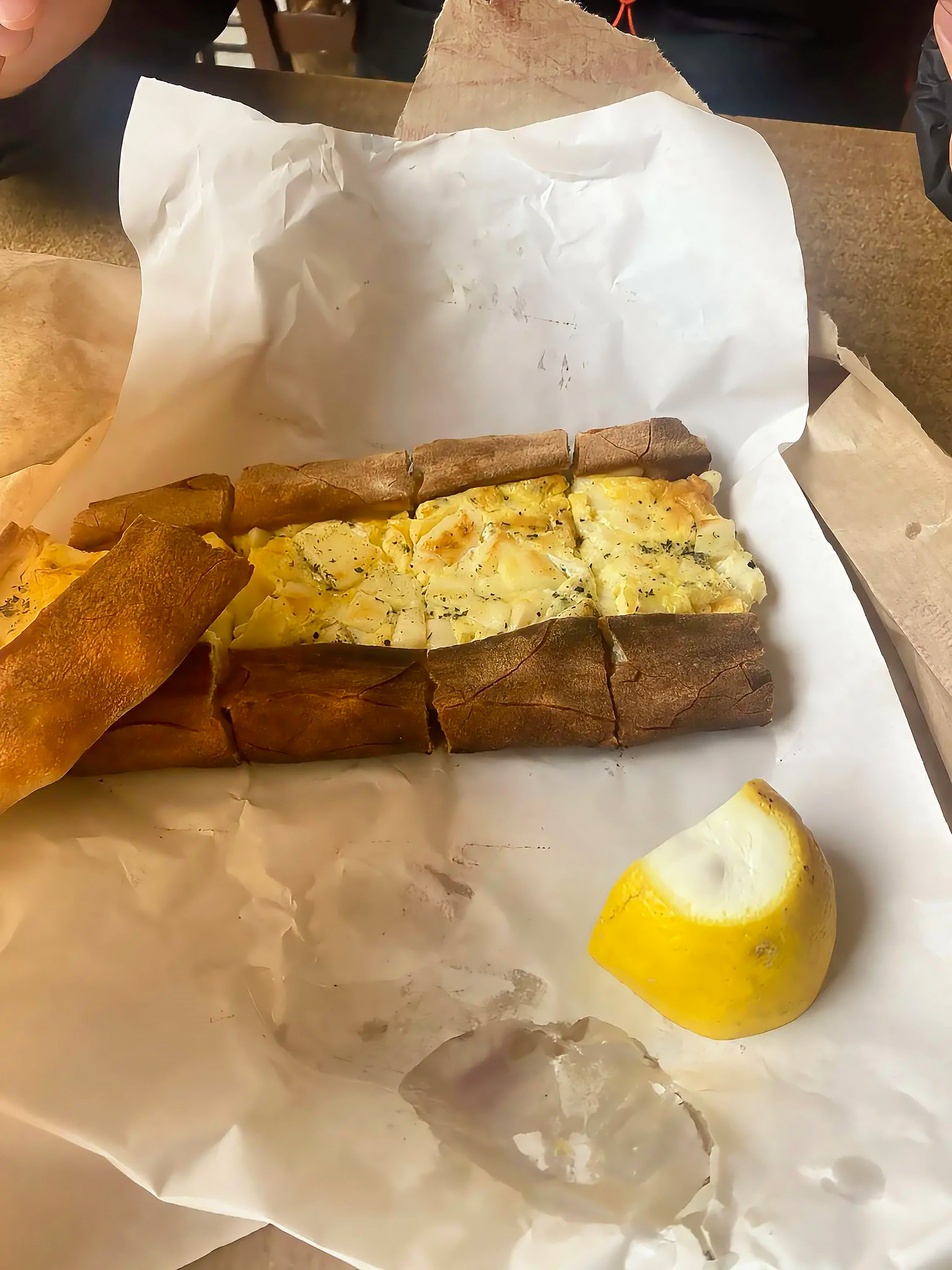
Across from Büyük Han in the bazaar, you can eat local pide, börek, and çörek. It is buffet-style with nowhere to sit — takeaway only. We bought halloumi pide and ate it with tea at Büyük Han. Map location 5.
7. Gustav Roasting Co
A nice spot for third-wave coffee fans. You can get barista coffees with a wide range of options. Olive and halloumi çörek is a delicious snack with a cold coffee. Map location 6.
Famagusta
1. Petek Patisserie
After our Varosha visit we rested at Petek. Choosing among so many desserts was hard, but curiosity pushed us to the “you cannot leave Cyprus without Cyprus dessert” option 🙂 I liked it — recommend. Map location 7.
Kyrenia
1. Eziç Premier
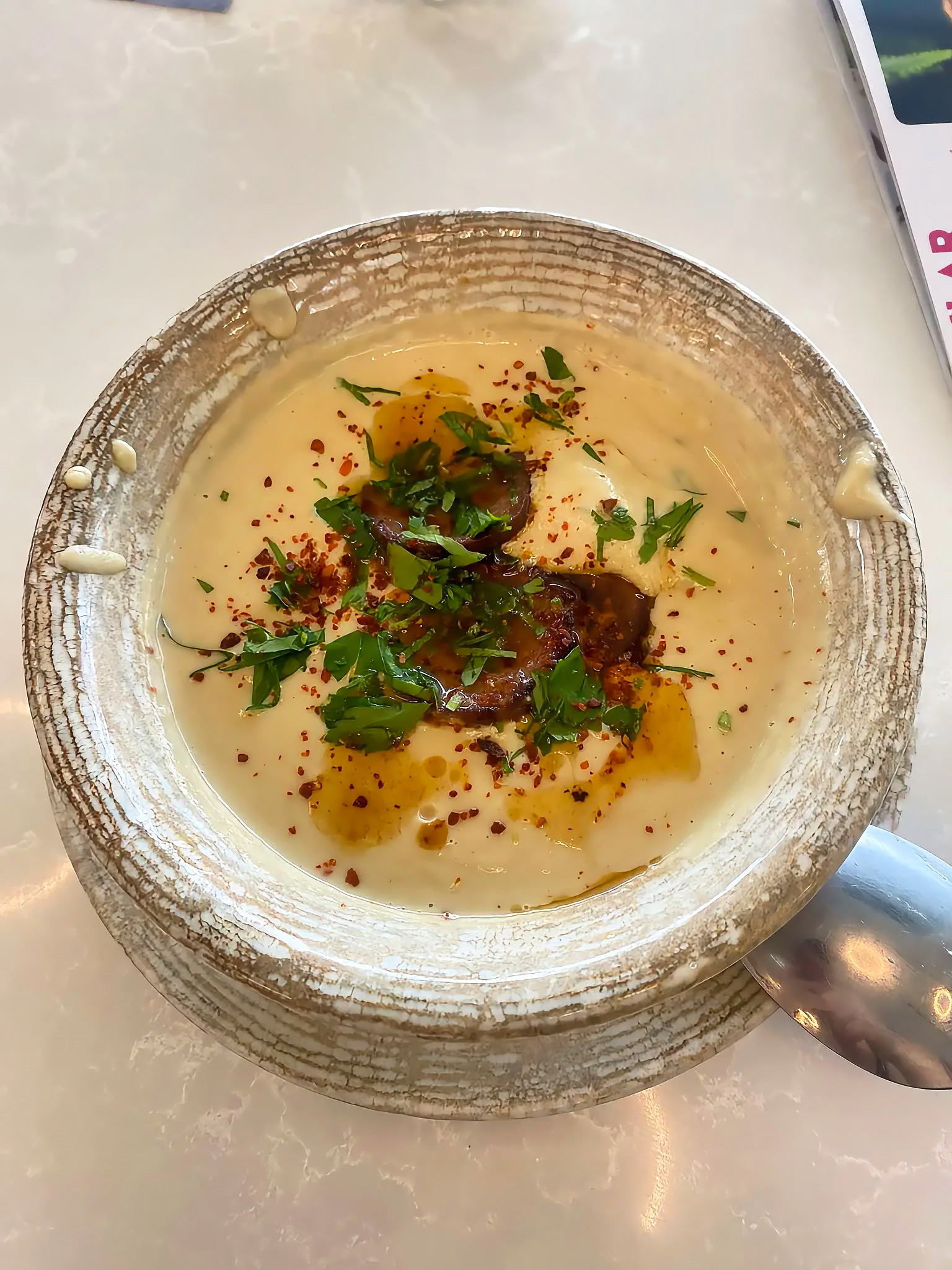
With a large, beautiful interior, Eziç Premier feels a bit fine-dining when you first walk in. The wide menu for almost everyone and large portions also give café vibes. One interesting dish was hummus soup — like familiar hummus thinned into a thick soup. Odd in theory, but rich and good. Order small portions or share one plate between two. Parking, a kids’ play area, and outdoor space make it ideal for a long dinner. Map location 8.
Also Worth Visiting
Unfortunately, crowd and time meant places on our list still remain unseen. Cyprus is a big island — you never finish exploring. History, nature, and geography left a taste with us. Besides what we saw, you can also visit:
1. Selimiye Mosque / Nicosia
Cyprus’s oldest Catholic church, converted into a mosque in 1570. Today it is the island’s most iconic mosque.
2. Museum of Barbarism / Nicosia
Another place we unfortunately could not visit, and a very important museum for Northern Cyprus history. During the Cyprus events, Greek Cypriot organizations raided Major Nihat İlhan’s house and murdered his wife and children. The 26 December 1963 event entered history as Bloody Christmas. The house became a museum in 1966. It ranks among the places I most strongly recommend seeing in Cyprus. Closed Saturday and Sunday, and on open days it closes at 15:00 — plan ahead.
3. Cyprus Museum / Nicosia
For such a precious island, this archaeology museum would be the most important guide — but it is on the Greek side. Crossing from the TRNC is only possible for TRNC-born TRNC citizens and passport holders of EU member states. Turkish citizens or those with Turkish passports cannot cross.
4. Derviş Pasha Ethnography Museum / Nicosia
A museum in Nicosia with works and studies on Cypriot life. Especially appealing for ethnography lovers like me.
5. Ancient Salamis / Famagusta
Discovered in the 19th century, Ancient Salamis lies 6 km north of Famagusta. Mentioned in the Bible, it is important for the Christian world.
6. Othello Castle / Famagusta
Built by the Lusignans in the 14th century. Deep moats around it meant it was long considered impregnable.
7. Apostolos Andreas Monastery / Famagusta
A monastery on the Karpaz Peninsula in Famagusta. According to Christian belief, the Apostle Andrew struck here with his staff during famine and drought and water sprang forth. Still a monastery, visitor numbers have fallen since Greek Cypriots left the area.
8. St Barnabas Archaeology and Icon Museum / Famagusta
A monastery in Tuzla village of Cyprus with a rich icon collection, and reportedly some archaeological finds on display.
9. St Hilarion Castle / Summit / Kyrenia
A castle on the Beşparmak Mountains in Kyrenia with breathtaking views in photos. Exact construction date unknown, but thought to be Byzantine. Reviews say the road to this high castle is narrow and difficult — keep that in mind before you go.
Don’t Leave Without Seeing
Of everything from our three-day Cyprus trip, Varosha stayed with us most. Its atmosphere and sad story pierced us. Ghost houses, abandoned shops, and streets where people once laughed and celebrated feel like film stills… As your heart darkens, you walk imagining dozens of conclusions. For understanding Cyprus’s importance and history for Turks, Varosha is crucial. Don’t leave without seeing it 🙂
Don’t Leave Without Eating
What stayed with me most was Asmaaltı Bereket Bakery’s halloumi pide 🙂 Being a rich, tasty cheese, halloumi suits pastry wonderfully. Don’t leave without eating it 🙂